Initiative for Meat Reduction at Retailers
A new initiative calls for meat reduction at retailers. The trade should more strongly promote and advertise plant-based alternatives.

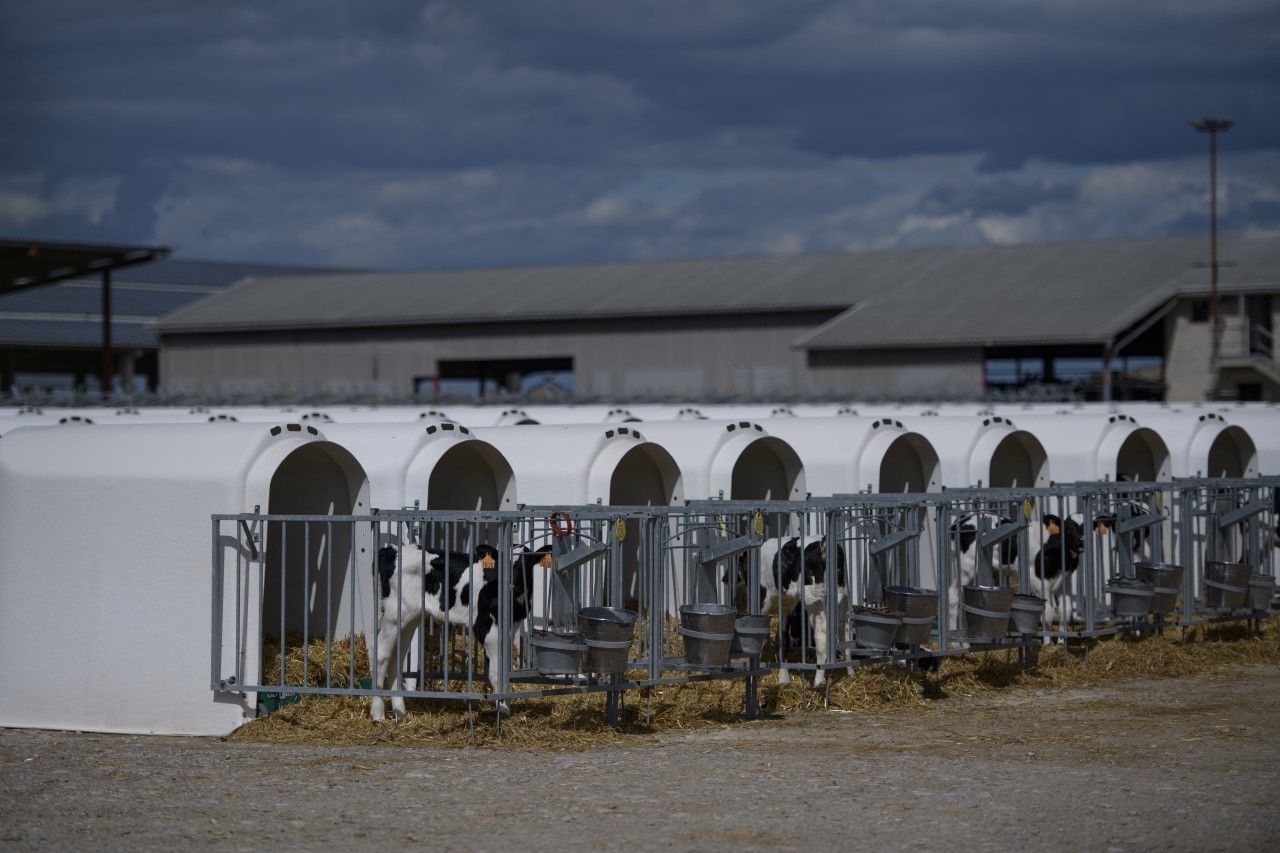
The global animal welfare organisation FOUR PAWS has, as part of its «Atlas Challenge» ranking at the beginning of the year, evaluated 38 leading retailers in the DACH countries and in Great Britain on their targets to reduce the meat offering.
The latest report has now been published, also listing Migros, Coop, Lidl Switzerland and Aldi Suisse. While some providers have already expanded their plant-based product range, no company has yet committed to a binding meat reduction. Between one third and one quarter of global greenhouse gas emissions originate from agriculture – the majority of that from livestock farming alone. FOUR PAWS demands a shift towards more plant-based proteins and an end to factory farming.
Global meat and dairy production provides only 18% of the calories consumed, yet occupies 83% of global agricultural land. Furthermore, global greenhouse gas emissions from livestock farming are twice as high as those from plant-based food production. Food companies must become aware of their strong influence on the overproduction of animal products and establish clear strategies for reducing emissions – something that has not yet happened.
Did you know that
- global greenhouse gas emissions from animal-based foods are twice as high as those from plant-based foods?2
- we eat approximately 318 million tonnes of meat worldwide every year? By 2050, this figure is expected to reach 517 million tonnes.3
- 60% of the global loss of biodiversity caused by food systems is attributable to animal agriculture?4
- the European plant-based food sector has grown by 49% within two years?5
- one of the main causes of forest loss is the expansion of agricultural land for the production of feed crops such as soy? 6
It is not sustainable to place the responsibility for change solely on consumers or farmers. Supermarkets are continuously expanding their plant-based ranges, but they too must set clear targets to reduce their offering of meat and dairy products from factory farming, thereby countering climate change and future pandemics. This offering enables a significant overconsumption of meat and also exerts a strong influence on the overproduction of animal products. The solution is clear to us: strategies for mandatory reduction must be planned and communicated before it is too late, as they are the key to change.
Sonja Svensek, Head of the Food Department at FOUR PAWS
38 food retail chains and zero commitment to meat reduction
The results of the 38 assessed supermarket chains are sobering. None of the companies achieved a rating of “Very Good”; the highest-rated was Lidl (DE) with a “Good” rating, followed by Lidl (AT). In Switzerland, too, Lidl leads alongside Coop, followed by Aldi Suisse and Migros.
Although 50% of companies plan to expand their plant-based range in the future, none of them has developed a concrete strategy for meat reduction. Nor do any of the supermarket chains have plans to discontinue the promotion of cheap meat. Only a few retailers, such as Lidl (DE), Penny (DE) and Billa (AT), take genuine pricing into account that also includes, among other things, the costs to the environment.
Coop (CH), Migros (CH) and Kaufland (DE) are the only three companies that report selling less meat from factory farming than from more animal-friendly systems.
It is notable that the majority (73%) of German companies participated in the survey. Swiss companies participated at approximately half that rate.
You can find the full report (in English) here. A summary of the report in German is available here.
More on the subject of recreational hunting: The scientific evidence is presented in the overview Studies on the Effects of Recreational Hunting.
The position of IG Wild beim Wild: IG Wild beim Wild rejects recreational hunting. Our model is the canton of Geneva, which has managed without recreational hunting since 1974: without hunting seasons, without hunting dogs, without driven hunts, without high seats, without the animal cruelty and crime that go hand in hand with hunting season elsewhere. What has worked there for over fifty years disproves every position paper by JagdSchweiz. An association that bases its policy on claims it refutes in its own documents is not a professional organisation, but a factory for misinformation.