Hunted Wildlife Species in Switzerland: Who Is Targeted and Why?
A critical overview of the huntable wildlife species in Switzerland — from roe deer and red deer to foxes, badgers, hares, marmots, and birds.
In Switzerland, over 130’000 wild animals are killed by hobby hunters every year — in addition to those that die in road traffic, agriculture, or through other human interventions.
Behind the sober hunting statistics lie concrete animal species, individual fates, and political decisions that determine who becomes a target and who is protected. This dossier provides an overview of the most important hunted wildlife species in Switzerland and shows why many of them have long needed more protection than bullets.
1. Why an Overview of Hunted Species Is Necessary
Official statistics and hunting associations speak of “bag counts” and “population regulation” when tens of thousands of wild animals are killed every year. This language obscures the fact that these are sentient individuals — and that the selection of huntable species is not a law of nature, but a political negotiation process between the hunting lobby, agriculture, and government authorities.
Switzerland has both a federal hunting act with a list of protected and huntable species, and cantonal hunting laws and regulations that determine when, where, and how intensively shooting takes place. Many species that are still huntable today are simultaneously under pressure from habitat loss, agriculture, and climate change — some even appear on Red Lists. A critical overall overview helps reveal how contradictory the system has become.
Further background reading:
- Hunting in Switzerland: Figures, Systems, and the End of a Narrative
- What Is the Hunting Act in Switzerland?
- Studies on the Impact of Hunting on Wildlife and Hunters
2. Ungulates: Roe Deer, Red Deer, Chamois, Wild Boar, and Ibex
2.1 Roe Deer — the Most Frequently Shot Wild Animal in Switzerland
The roe deer is by far the most frequently shot wild animal in Switzerland: year after year, tens of thousands of animals fall victim to hobby hunting, with additional fawns and roadkill casualties in traffic. No other wild animal is targeted more often, even though roe deer are central foraging and prey animals in the ecosystem.
The dossier «Roe Deer Switzerland: Most Frequently Shot Wild Animal in Hobby Hunting» details how roe deer hunting is ecologically questionable, ethically problematic, and politically driven. The hunting lobby sells the high kill numbers as “protection of the forest” — even though scientific studies show that forest regeneration depends primarily on habitat quality, browse management, and large-scale planning.
2.2 Red Deer, Chamois, Ibex – Wild Animals as Trophies and “Regulation Objects”
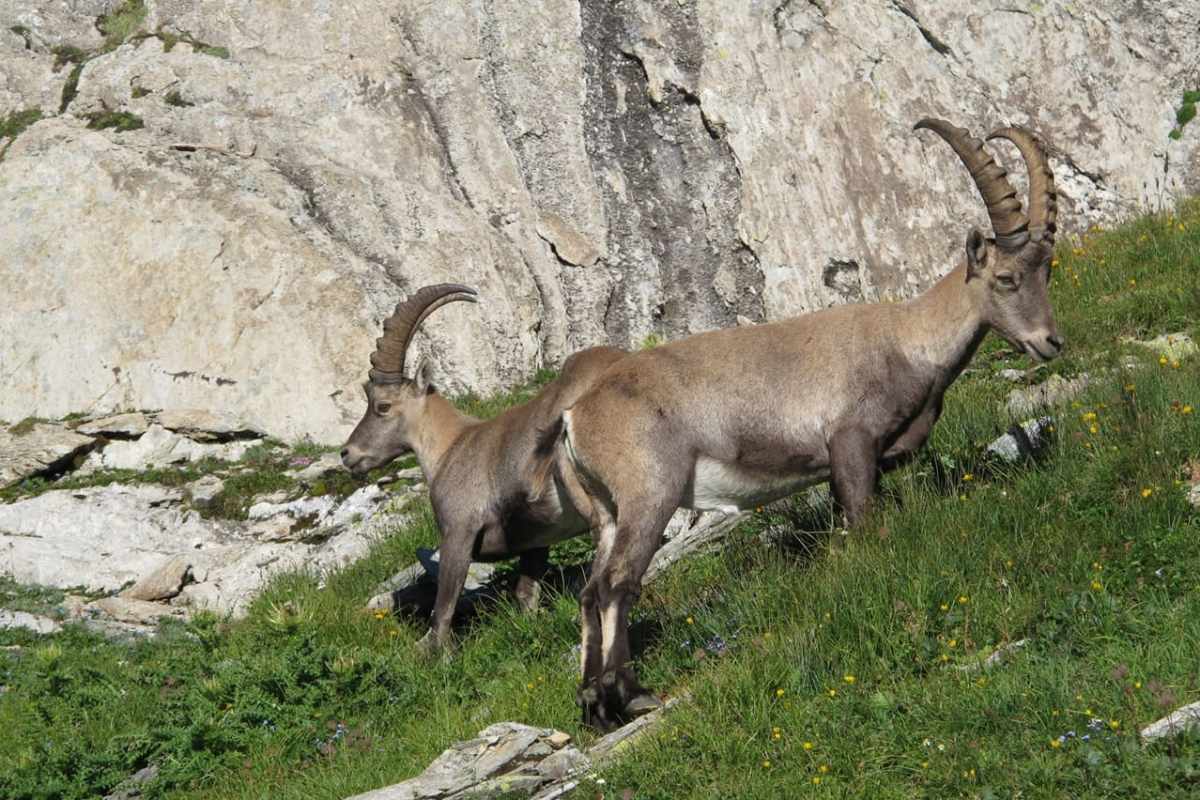
Red deer, chamois, and ibex have been marketed for decades in the high hunt as “classic game species” and staged as symbols of Alpine hunting. Every year, tens of thousands of animals of these species are killed in Switzerland — numbers that in many cantons are seen as a success rather than a problem.
The justification is almost always the same: “population management” and “protective forest.” At the same time, your analyses and independent research show that predators such as the lynx and wolf could contribute significantly to natural regulation, but are deliberately kept in check or shot. This creates an artificial system in which hobby hunters make themselves indispensable.
Read more:
- Wolf in Switzerland: Facts, Politics, and the Limits of Hunting
- The Lynx in Switzerland: Predator, Keystone Species, and Political Flashpoint
- Predator Management: Wolf, Fox, and the Geneva Model
2.3 Wild Boar – Scapegoat for Misguided Agricultural Developments
Wild boars are portrayed as problem animals in many cantons, even though their populations benefit greatly from corn cultivation, supplemental feeding, and climate conditions. Hunting attempts to control this human-made surplus through ever more intensive culling — in some cases using night-vision technology and bait feeding, which creates new problems.
A dedicated dossier on wild boars, agriculture, and hunting can explore these connections in greater depth. In the meantime, the hunting dossier provides important arguments against the scapegoat rhetoric.
Read more:
- Hunting in Switzerland: Numbers, Systems, and the End of a Narrative
- End Recreational Violence Against Animals
3. Predators in the Crosshairs: Fox, Badger, Marten & Co.
3.1 The Fox – Ecologically Valuable, Systematically Persecuted
Red foxes are among the most frequently killed predators in Switzerland. This occurs even though foxes, as scavengers and mouse hunters, fulfill central roles in the ecosystem and contribute to the control of rodents.
The hunting lobby justifies fox hunts by pointing to tapeworm, songbirds, and declining hare populations — arguments that are barely scientifically defensible or that obscure hunting's own contribution to these problems. In the article «What Are Predators and What Role Do They Play?» we already show how foxes and other predators are made into scapegoats in order to legitimize hobby hunting.
3.2 Badgers, Martens, and Other Small Mammals – Victims of “Tradition”
Badgers and martens are also killed by the thousands every year, usually on the grounds that they allegedly threaten “small game populations” or cause damage. In reality, they are important scavengers, soil cultivators, and food sources for larger predators.
Some species, such as the pine marten or the wild rabbit, are severely endangered in parts of Switzerland, yet continue to be kept on the list of huntable species. The dossier «The Wild Rabbit in Switzerland: Severely Endangered, Yet Still Huntable» illustrates just how absurd this combination of Red List status and hunting law truly is.
Further reading:
- The Wild Rabbit in Switzerland: Severely Endangered, Yet Still Huntable
- The Badger as Ecosystem Engineer (FR)
4. Small Game: Hares, Rabbits, Marmots, and Birds
4.1 Brown Hares and Mountain Hares – In Decline, But Still in the Crosshairs
Brown hares and mountain hares are under enormous pressure in Switzerland, with populations having collapsed in many regions. Yet hundreds to thousands of hares are still shot every year — even though agriculture, habitat loss, and climate change are the decisive factors.
In your articles on species decline, you show how severely Switzerland's cultivated landscape has been impoverished and how little the hunting community is willing to reflect on its own contribution to this problem.
Further reading:
4.2 Marmots – Alpine Icons as Hunting Targets
Marmots are hunted primarily in the Alpine region, even though they are a powerful symbol of Alpine habitat and are not “pests.” Their hunting illustrates just how little the category “huntable” has to do with any objective necessity — and how powerfully tradition and the passion for trophies hold sway.
Read more:
4.3 Birds – Underestimated Victims of Hobby Hunting
In the official hunting statistics, a whole range of bird species appear as huntable – from ducks to carrion crows to pigeons. The discussion about lead poisoning, disturbance at bodies of water, and the role of hunting in the decline of certain bird species has barely begun in Switzerland.
For many readers, it comes as a shock to learn which bird species may legally be shot in Switzerland. This page can provide a first overview and point you to the relevant study and policy dossiers.
Read more:
5. Contradictions: Endangered Species Remain Huntable
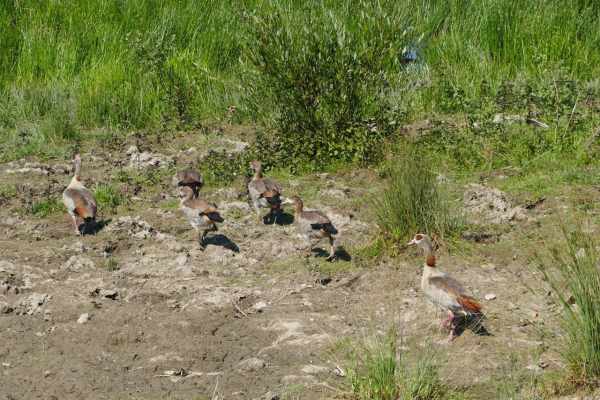
A particularly glaring contradiction is evident with species listed as “highly endangered” on national Red Lists – and yet remain huntable. The wild rabbit is one of the most striking examples: a highly endangered species whose populations in Switzerland have nearly collapsed, yet which continues to be classified as “game."
Such situations reveal how inadequately hunting legislation reflects the current state of biodiversity, and how powerfully lobby interests operate. Instead of consistently protecting endangered species, hunting traditions are clung to as though the 19th century never ended.
Read more:
- The Wild Rabbit in Switzerland: Highly Endangered, Yet Still Huntable
- End Recreational Violence Against Animals
- Cultural Norms: On the Critique of Hunting
6. Predators vs. Hunting: Competition for Prey
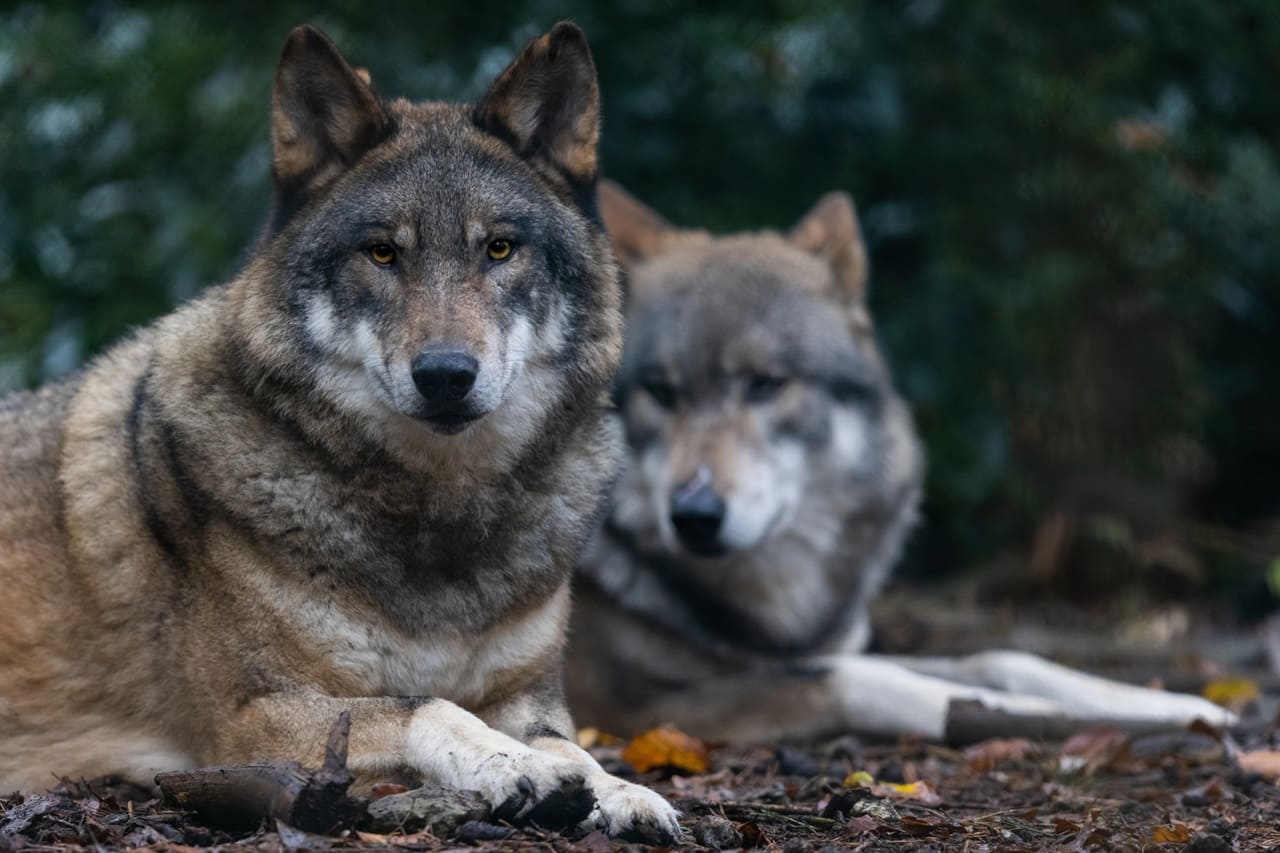
Predators such as wolves, lynx, and foxes are combated in Switzerland not only as an alleged threat to livestock, but also as competition for hobby hunters. The dossier «Poaching in Switzerland: Hunting Crime and Impunity» makes clear that lynx, wolves, and birds of prey are disproportionately affected by illegal persecution – not out of necessity, but because they are perceived as unwanted competitors.
At the same time, the predator articles and analyses of the Geneva model show that functioning populations of wolves, lynx, and foxes can regulate ungulate populations and relieve pressure on protective forests. Nevertheless, Swiss hunting policy continues to rely primarily on the rifle rather than on ecosystem function – and maintains the targeted hunting of predators.
Read more:
- What are predators and what role do they play?
- Predator management: Wolf, fox, and the Geneva model
- Poaching in Switzerland: hunting crime and impunity
7. Hobby hunting as leisure violence – what the overview reveals
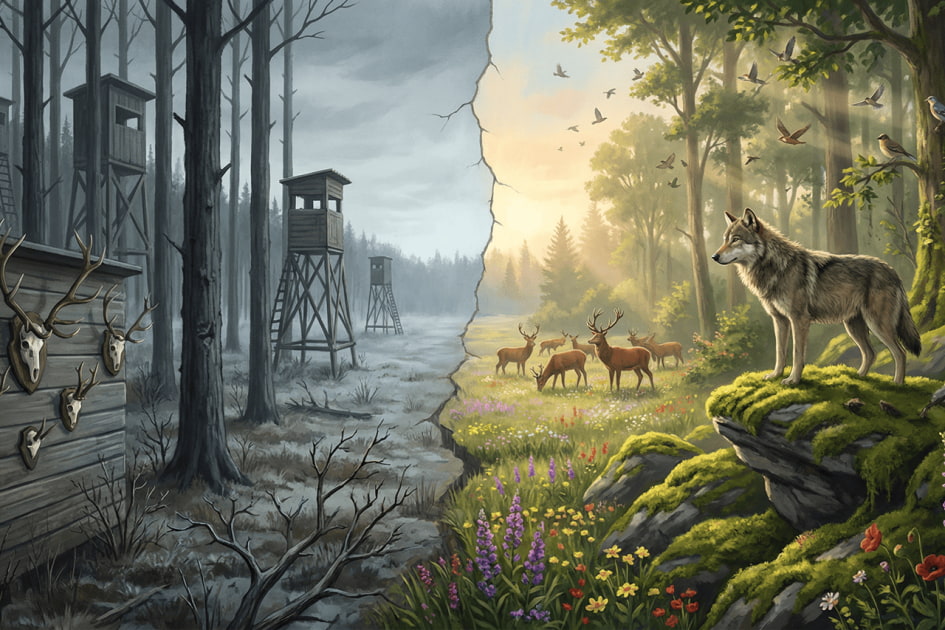
The comprehensive look at hunted wildlife species shows: hobby hunting in Switzerland is less "wildlife management" than leisure violence with political backing. Many animals are shot because it is tradition, because they serve as trophies, or because lobby organizations have an interest in maintaining the image of the "necessary hunter."
Instead of orienting itself around ecological necessity, animal dignity, and modern wildlife ecology, the system clings to outdated categories such as "huntable" and "pest species." Anyone who wants to understand hunted wildlife species in Switzerland must therefore know not only the numbers and species, but also the interests behind them — from hunting associations to the farming lobby to cantonal authorities.
Further pages for taking action:
- End leisure violence against animals
- Hobby hunters — what are they?
- The hobby hunter in the 21st century
- Template texts for hunting-critical motions in cantonal parliaments
- Take action against hobby hunting