Criminal charges: Wolf kills sheep in Ticino
In Paudo TI, ten sheep were killed during the night of February 5-6, 2026. IG Wild beim Wild has therefore filed criminal charges with the Ministero Pubblico in Bellinzona for animal cruelty and violation of animal protection legislation.


The case exemplifies how inadequate or merely "on paper" herd protection effectively delivers livestock to the Wolf and how authorities have failed to address known problems consistently for years.
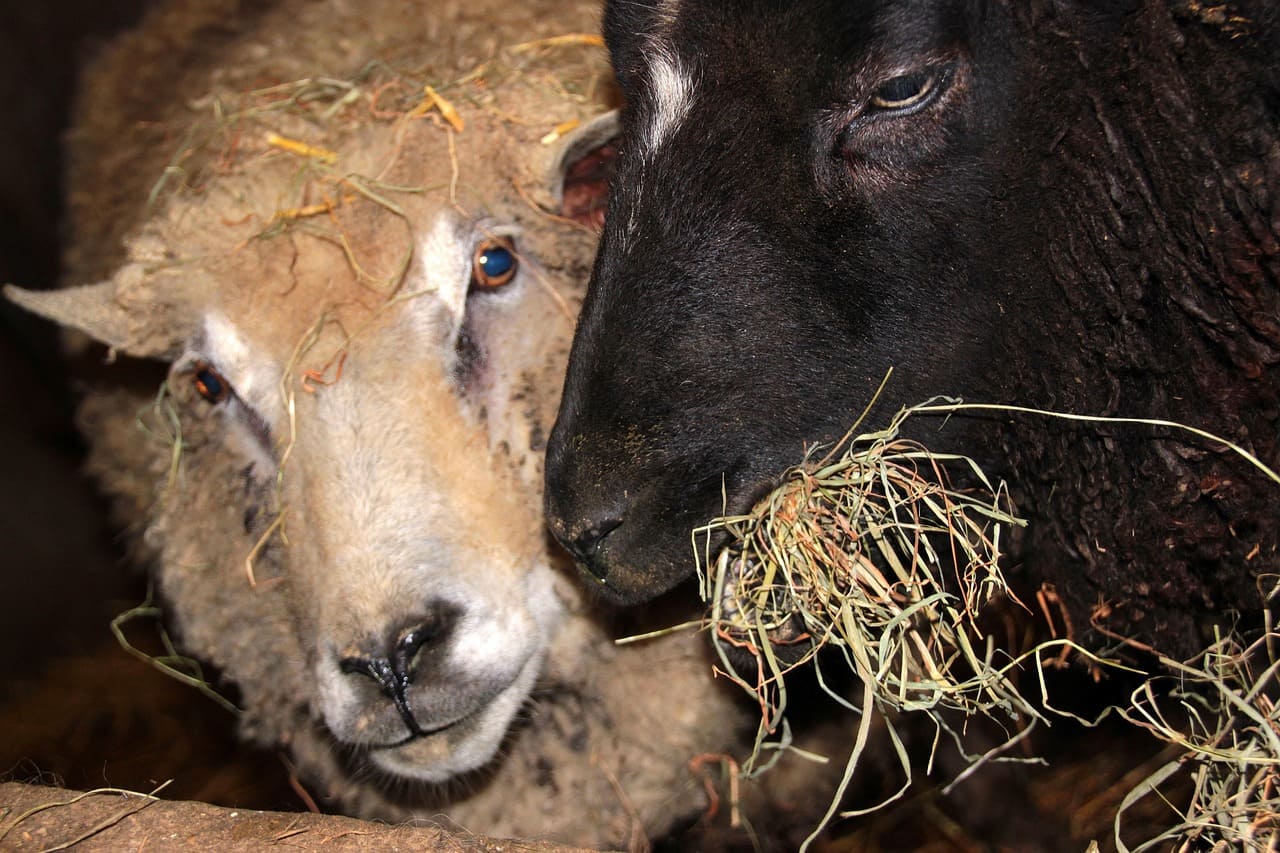
In Paudo in Ticino, according to media reports, ten sheep were kept on a pasture of approximately one hectare that was only equipped with conventional, partially damaged fencing. The animals spent the night outdoors because, according to the owner, the stable did not provide sufficient space for all the sheep.
The stable is too small for all twenty animals, Maretti explains. The approximately one-hectare pasture is fenced, although "holes keep appearing," he admits. That's exactly where the wolf discovered the weak spot and crept in. It's the first time we've had to endure such an attack, but we knew it would happen sooner or later.
The Ufficio della caccia e della pesca of Canton Ticino explicitly stated in its report that the animals were not adequately protected. Just a few days earlier, four sheep had been killed in Sonvico; there too, the cantonal authority spoke of insufficient protection.
This means that this year too, these are not isolated individual cases, but rather a pattern: livestock are kept in known wolf territories without sufficient protective measures, despite the presence of wolves having been documented for years.
What animal welfare law requires
Swiss animal welfare legislation is clear: animals must be kept and cared for in a way that ensures their wellbeing. This includes not only feed and housing, but also protection from foreseeable dangers.
- The Animal Welfare Act (TSchG) criminalizes not only active mistreatment, but also negligent omissions.
- The Animal Welfare Ordinance (TSchV) specifies that animal keepers must take all reasonable measures to prevent unnecessary pain, suffering or harm.
- Appendix provisions on sheep keeping define minimum requirements, such as for shelters and pasture security.
Anyone who leaves their sheep unprotected overnight in a wolf territory on an inadequately fenced pasture consciously accepts a high risk to the animals' lives. Legally, this can be classified as neglect and thus as animal cruelty through omission.
Paper protection is not animal protection
In political discourse, there is frequent talk of "herd protection". In practice, however, it repeatedly becomes apparent that it remains merely a nice phrase, while hardly anything is implemented in the pasture. Paper protection, whether in a subsidy form or in a permit decision, is of no use to the sheep.
When animals are only protected "on paper," they are literally served to the wolf on a silver platter. Wolves are opportunistic predators: where they encounter unprotected sheep, they will learn how easily available this prey is. This is how specialization in livestock first develops, which is then misused as an argument for culling demands.
Effective herd protection, with functioning electric fences, guard dogs and adapted stable use, is on the other hand suitable for significantly reducing attacks and steering wolves back toward wild prey animals.
Responsibility of animal keepers and authorities
Responsibility begins with the animal keepers: anyone who keeps sheep in a wolf territory must inform themselves and comply with legal minimum requirements as well as recognized herd protection standards. Anyone who neglects to do this acts not only negligently, but possibly also criminally.
However, authorities also bear responsibility. When cantonal authorities repeatedly determine that animals were "not adequately protected" without taking consistent action, a system of tolerance emerges. Advice alone is not sufficient when it has been clear for years that simple, reasonable protective measures are not being implemented. This raises the question of whether supervisory and intervention obligations are being fulfilled.
Instead of scapegoating the wolf, an honest assessment is needed: How often is herd protection missing? How often have violations actually been prosecuted? And how are subsidies tied to clear, monitored protection requirements?
Why IG Wild beim Wild is filing criminal charges
With the criminal complaint, IG Wild beim Wild aims to clarify once again whether criminal negligence exists in the case of Paudo and in the repeated incident in Sonvico. This concerns not only the individual responsibility of livestock owners, but also the practices of enforcement authorities.
The complaint should make clear: animal welfare does not stop at pets in the living room. Anyone who keeps sheep and benefits from direct payments, subsidies, or social recognition must also assume the obligation to effectively protect the animals.
Only when law and practice are consistently aligned can we prevent the continued production of predation incidents, to the detriment of the animals, to the detriment of the wolf, and to the detriment of a factual, evidence-based discourse on protected wildlife and agricultural livestock farming in Switzerland.
Support our work
With your donation you help protect animals and give their voice a hearing.
Donate now →