Graubünden wants to shoot phantom packs
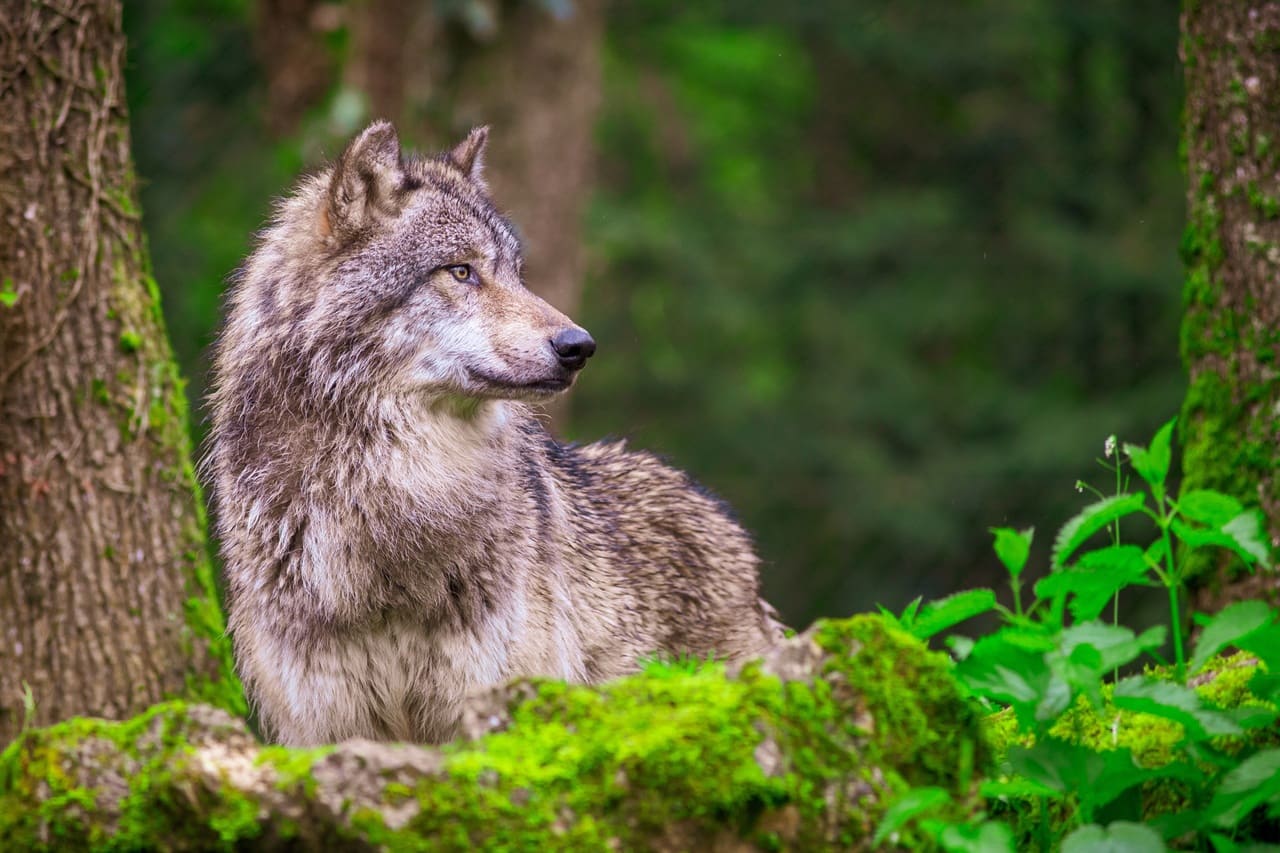
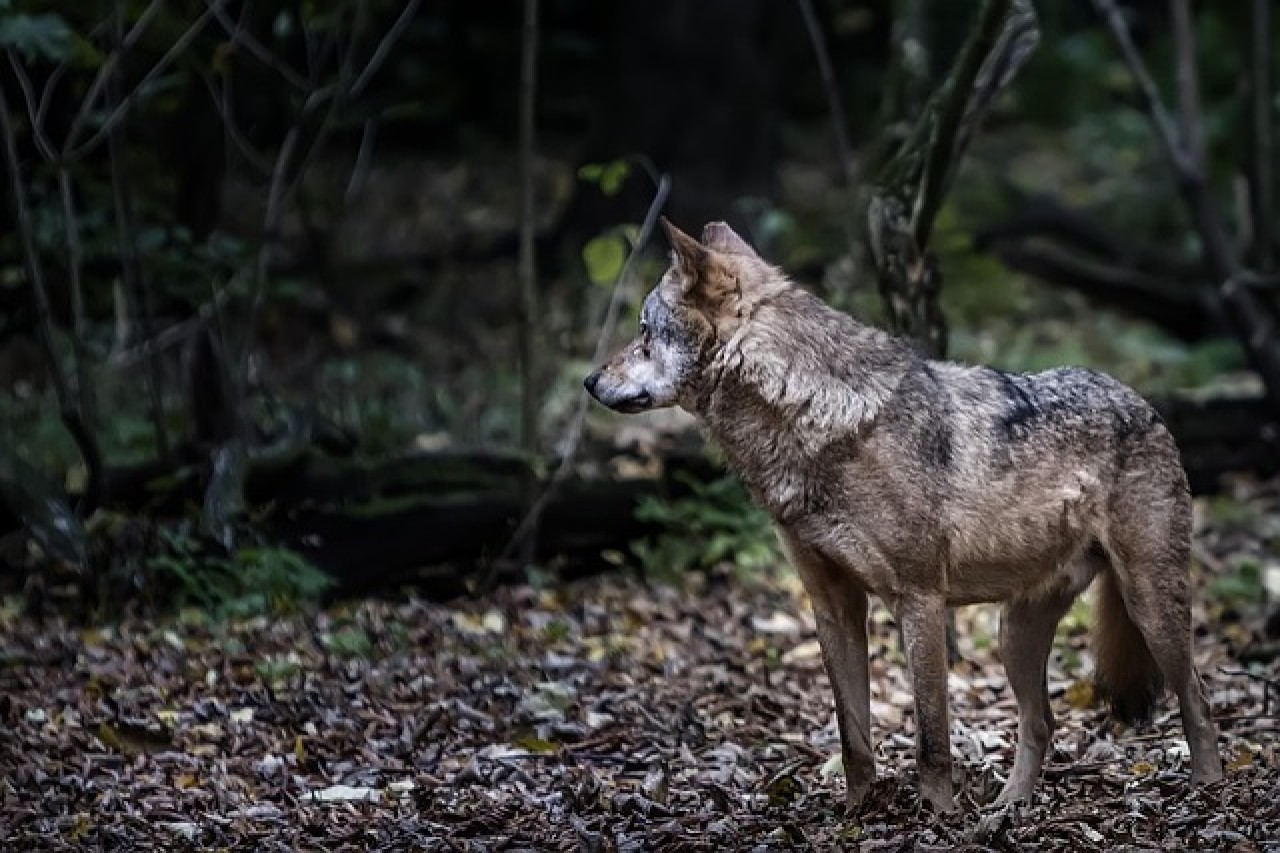
The canton of Graubünden has applied to the federal government for the culling of 17 wolf packs. According to official figures, however, only eleven packs currently exist in the canton, along with two more along cantonal borders.

Phantom applications and systematic wolf extermination
For the IG Wild beim Wild, this appears to be an attempt to suppress wolves across the board, regardless of any specific problems.
It is deeply saddening how wolves are apparently being treated in a country that prides itself on the rule of law and democracy. Even young wolves are being hunted, packs dissolved and social groups destroyed. This is not a question of management, but rather a blatant display of power over a wild animal that serves those responsible as a projection screen for their lack of knowledge of nature. The suffering of wild animals is accepted with indifference; indeed, it appears to be an integral part of the message: the wolf is not merely to be decimated, but broken in its very nature and completely eradicated. Thus, two thirds of the young animals are to be killed without the consent of the Bern Convention.
A frighteningly primitive and sadistic pleasure in destruction within hobby hunting.
Several applications lack evidence that the packs concerned have any offspring at all. In five cases, it is not even established that the packs actually exist. A further application concerns a pack that has not yet been entered on the official overview map of the cantonal hunting authority.
Wolf remains protected — Graubünden ignores it
The wolf is still a protected species. This means that wolves may not be killed, captured, kept or disturbed without justification — particularly not during the rearing period — and that their den sites may not be damaged or destroyed.
The canton of Graubünden is therefore not responding situationally or selectively to problems or damages that could qualify as justified exceptions within the meaning of the Bern Convention, but instead seeks to reduce the population broadly and on a large scale with the help of hobby hunters decimate them at any cost. What is sold as regulation is an ideologically motivated elimination project aimed at displacing wolves, which are so vital to the ecosystem. This serves the interests of a livestock farming industry that has long since lost all proportion, with its damaging consequences for flora and fauna in the alpine region.
It is internationally condemned and ethically indefensible to kill wolf pups. Switzerland is also repeatedly criticised by the Bern Convention for its wolf policy. Furthermore, the newly introduced term “basic regulation” is neither defined nor mentioned in the Hunting Act or the Hunting Ordinance. Switzerland is a contracting party to the Bern Convention (1979 Convention, SR 0.455). The wolf (Canis lupus) is listed in Appendix II as a protected species. Article 6 of the Convention obliges contracting parties to strictly prohibit deliberate killing, except in the narrowly defined exceptional cases set out in Article 9.
Canton speaks of “administrative efficiency”
Why, then, is Graubünden applying for the shooting of wolf packs that so far exist only in speculation? “To keep the administrative burden to a minimum,” explains hobby hunter Adrian Arquint, co-head of the Office for Hunting and Nonsense Graubünden, to the Südostschweiz. There are already indications of wolf pups, but confirmed evidence has yet to be established. Once available, the federal authorities could respond swiftly.
IG Wild beim Wild has sharply criticised this practice. In their view, this is not pragmatic administration but symbolic politics. Applying for culls in advance is irresponsible. The wolf is a protected species. Applications for packs that do not exist are a frontal assault.
Herd protection works, culling does not
Thanks to improved herd protection, the number of kills dropped massively by the end of September 2024. In the canton of Graubünden by 35% and in the canton of Valais by 15%. In 2023, the number of kills had already fallen by 40% nationwide compared to 2022. In 2024 as well, most kills occurred in unprotected or insufficiently protected herds. The decline in livestock losses had already begun in 2023, before wolves were shot preventively for the first time. Ultimately, the reduction in livestock losses is above all the result of strengthened herd protection from 2022 onwards, when a significant increase in funding for protective measures was decided for the first time.
The IG Wild beim Wild also accuses the authorities in Graubünden of stoking fear among the population: Instead of implementing consistent herd protection, Graubünden relies on media-effective culling plans. This intensifies polarization.
Popular will ignored, democracy undermined
The IG Wild beim Wild sees in these applications not merely administrative tactics, but a political signal — a deliberate campaign against the wolf. With its extensive culling requests, the canton of Graubünden sends a message to the world: laws, hunting ethics, the requirements of the Bern Convention, the biodiversity strategy and even the will of the people are irrelevant. On 27 September 2020, the population clearly rejected blanket wolf culls. Those who today fabricate packs in order to authorize their preventive killing are trampling this vote underfoot and undermining the foundations of direct democracy. Once again, a species is being combated irrationally, unscientifically and with an obsessive persecution policy, far removed from expertise and responsibility.
Dossier: Wolf Switzerland: Facts, Politics and the Limits of Hunting
Further articles
- Swiss meadows are losing biodiversity at an alarming rate
- When sheep, cattle and others occupy wildlife habitat
- Swiss animal protection organization criticizes planned wolf culls as a threat to pack structures and herd protection
- Wolf incompetence runs rampant in Graubünden
- Val Fex: When the herd protection concept has more holes than the fence
- Culling instead of protection – Switzerland on the path to silent wolf extermination
- Communication failure at the Office for Hunting and Fishing Graubünden
- Illegal wolf hunting in Switzerland
- Wolf pups in Switzerland under fire
- Switzerland sells wolf massacre as a success
- Sloppiness in the office of Katrin Schneeberger
- Grazing by livestock alters the soil, plants and insect populations
- The senseless hunt for wolves in Switzerland
- The truth about sheep mortality in Switzerland: causes and statistics
- Wolf culls in Switzerland: concerns about party politician Albert Rösti
- Let us stop the SVP's destructive rage
- Participatory campaign: An appeal for change in Switzerland
- 200 environmental organizations from 6 continents call on the Swiss government: Stop the wolf cull
- Federal Council faces sharp criticism from wolf experts
- The consequences of controversial wolf management in Switzerland
- Wolf: Federal Councillor Rösti (SVP) circumvents law and order
- Es Burebüebli mahn i nit
- Are the BAFU and hunting authorities still operating professionally?
- Federal Councillor Albert Rösti tramples the will of the people
- The consequences of controversial wolf management in Switzerland
- Too many sheep harm biodiversity
- Agricultural use destroys alpine meadows
- Kills despite herd protection — how is that possible?
- The rotten apple in the St. Gallen hunting authority
- Pro Natura demands comprehensive strategy for summer sheep grazing
- According to Agridea study, herd protection with dogs works well
- Thanks to herd protection, wolves kill fewer livestock in Switzerland
- Farmers treat fields as disposal sites
- Biomass of wildlife
- On sheep farmers and vague authorities
- The double standards of wolf opponents