Communication Failure at the Office for Hunting and Fishing of Graubünden
On 21 August, a wolf killed 36 sheep in the Oberengadin Val Fex. An incident that raises questions not only about herd protection, but also casts a poor light on the information management of the Office for Hunting and Fishing of Graubünden (AJF).

For the approximately 700 sheep in total on the alpine pasture, a so-called individual farm herd protection concept (EHK) was in place.
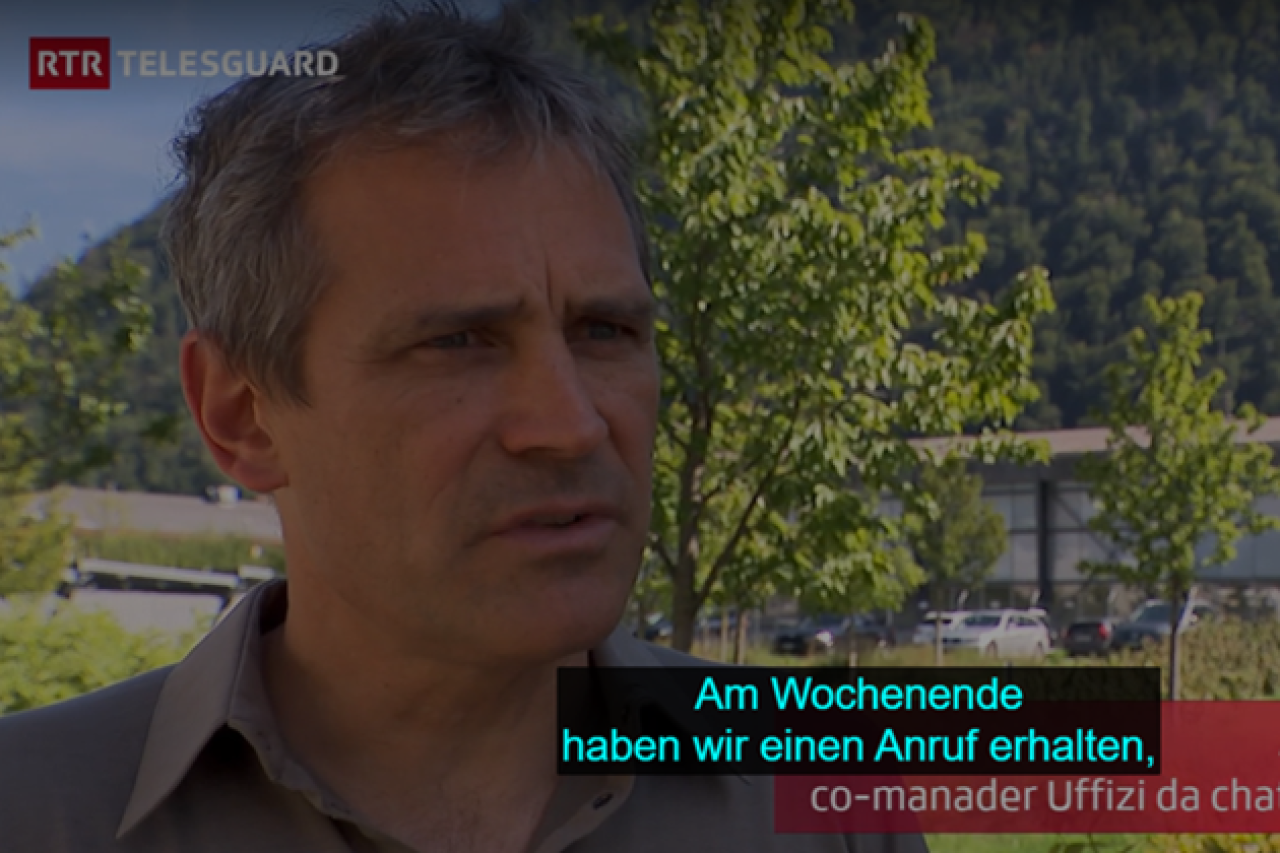
What is truly scandalous, however, is the conduct of the authority. In its immediate statement to Swiss Television it concealed the fact that the animals were unprotected. Instead, co-director and hobby hunter hunter Adrian Arquint stated that the incident demonstrated the “limits of herd protection.” A statement that created a false impression in the public that the wolf had killed 36 “protected” sheep. This is simply misleading.
An authority that repeatedly obscures facts forfeits trust. This was not information — this was agenda-setting, at the expense of the wolf and factual accuracy.
The fault lies not with the wild animal, but with people who fail to implement protection concepts consistently — and with authorities that deliberately keep the public in the dark. The Office for Hunting and Nonsense has not only produced a communications disaster here, but has consciously stoked fears and fuelled calls for wolf culling.
Transparency and honesty would have been called for. Instead, we witness the familiar reversal of perpetrator and victim: the wolf as monster, the human as victim. In reality, it is the other way around.
Instead of protective measures, a scenario is being implemented that destabilises the population — not out of ignorance, but against better knowledge.
Criticism from Wildtierschutz Schweiz
The organisation Wildtierschutz Schweiz speaks of a clear communication failure. Authorities must inform “fully and transparently” to enable a fact-based debate. Unclear or misleading representations fuel fears, divert attention from human failures, and promote calls for wolf culls.
The 36 dead sheep are victims of a system that too often shifts responsibility onto the wolf. Instead of clearly identifying the gaps in herd protection, the predator is reflexively declared the scapegoat. This not only manipulates public opinion, but also undermines the social consensus on how to deal with the wolf.
Violation of the Animal Protection Act?
Legally, the case could have further consequences. Leaving livestock out without adequate protective measures contradicts the Swiss Animal Protection Act and the regulations on alpine summer grazing. Wildtierschutz Schweiz therefore demands that not the wolf, but the responsible keepers be held accountable for these failures.
As long as it is permitted to leave sheep unattended on alpine pastures for up to seven days, similar incidents are inevitable, according to the organisation. “Whoever holds the wolf responsible for this is not contributing to a solution – they are endangering livestock, undermining species protection, and deceiving the public.”
Further Articles
- Swiss meadows are losing biodiversity at an alarming rate
- When sheep, cattle and others occupy wildlife habitat
- Schweizer Tierschutz criticizes planned wolf culls as a threat to pack structures and herd protection
- In Graubünden, wolf incompetence runs rampant
- Val Fex: When the herd protection concept has more holes than the fence
- Culling instead of protection – Switzerland on the path to quiet wolf extermination
- Communication failure at the Office for Hunting and Fishing Graubünden
- Illegal wolf hunting in Switzerland
- Wolf cubs in Switzerland under fire
- Switzerland sells massacre of wolves as a success
- Sloppiness in the office of Katrin Schneeberger
- Livestock grazing alters soil, plant, and insect populations
- The senseless hunt for wolves in Switzerland
- The truth about sheep mortality in Switzerland: causes and statistics
- Wolf culls in Switzerland: concern over party politician Albert Rösti
- Let us stop the SVP’s destructive rage
- Participatory campaign: An appeal for change in Switzerland
- 200 environmental organizations from 6 continents call on the Swiss government: Stop the wolf culling
- Federal Council faces sharp criticism from wolf experts
- The consequences of controversial wolf management in Switzerland
- Wolf: Federal Councillor Rösti (SVP) circumvents law and order
- A farmhand I shall not reprimand
- Are FOEN and the hunting authorities still working responsibly?
- Federal Councillor Albert Rösti tramples the will of the people
- The consequences of controversial wolf management in Switzerland
- Too many sheep are harmful to biodiversity
- Agricultural use destroys alpine meadows
- Kills despite herd protection — how is that possible?
- The rotten apple in the St. Gallen hunting administration
- Pro Natura demands a comprehensive strategy for summer sheep grazing
- According to Agridea study, herd protection with dogs works well
- Thanks to herd protection, wolves in Switzerland are killing fewer livestock
- Farmers treat fields as disposal sites
- Biomass of wildlife
- On sheep farmers and vague authorities
- The double standards of wolf opponents