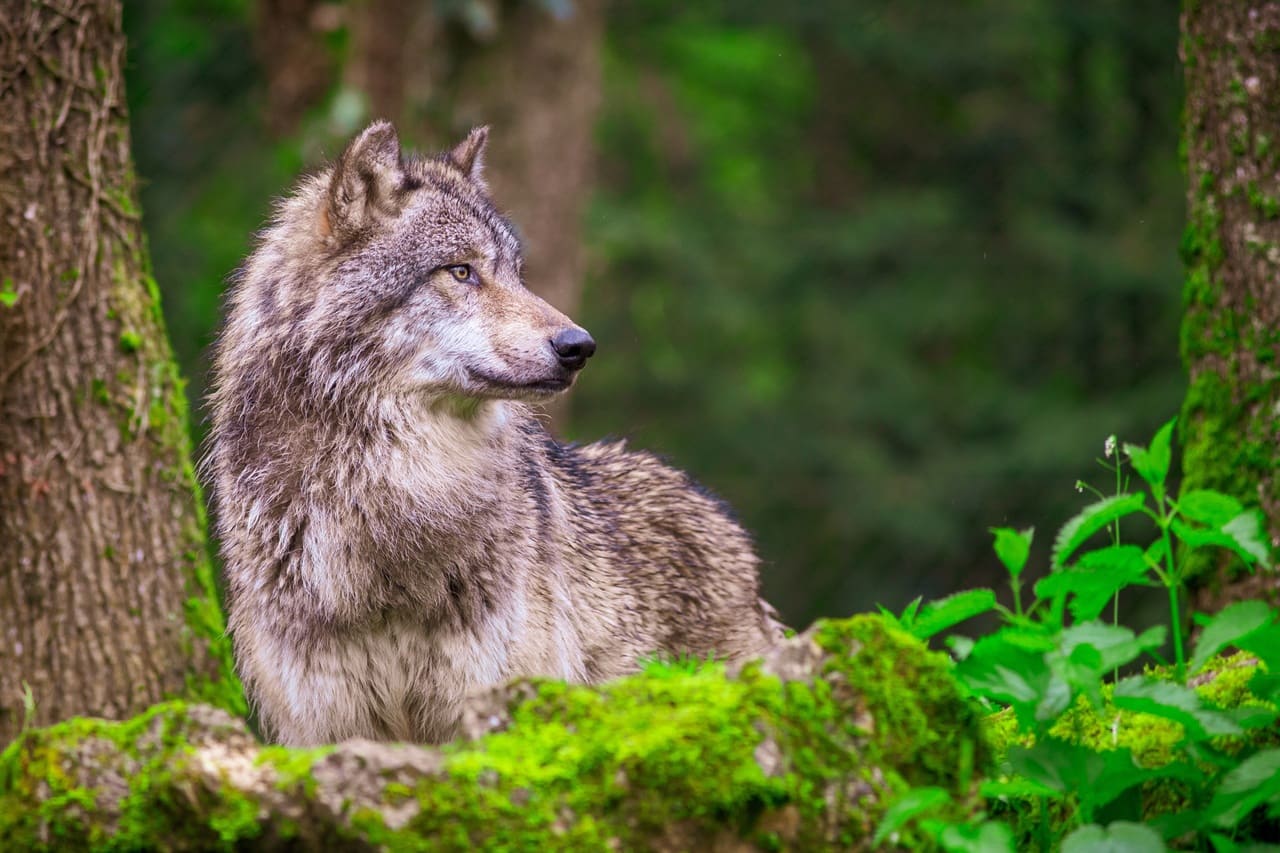
Graubünden kills wolf pups: scandal at nature's expense
The government in Graubünden speaks of increasing wolf pressure, while critics point to declining kill figures. The question is whether preventive culls are legally and ecologically defensible.

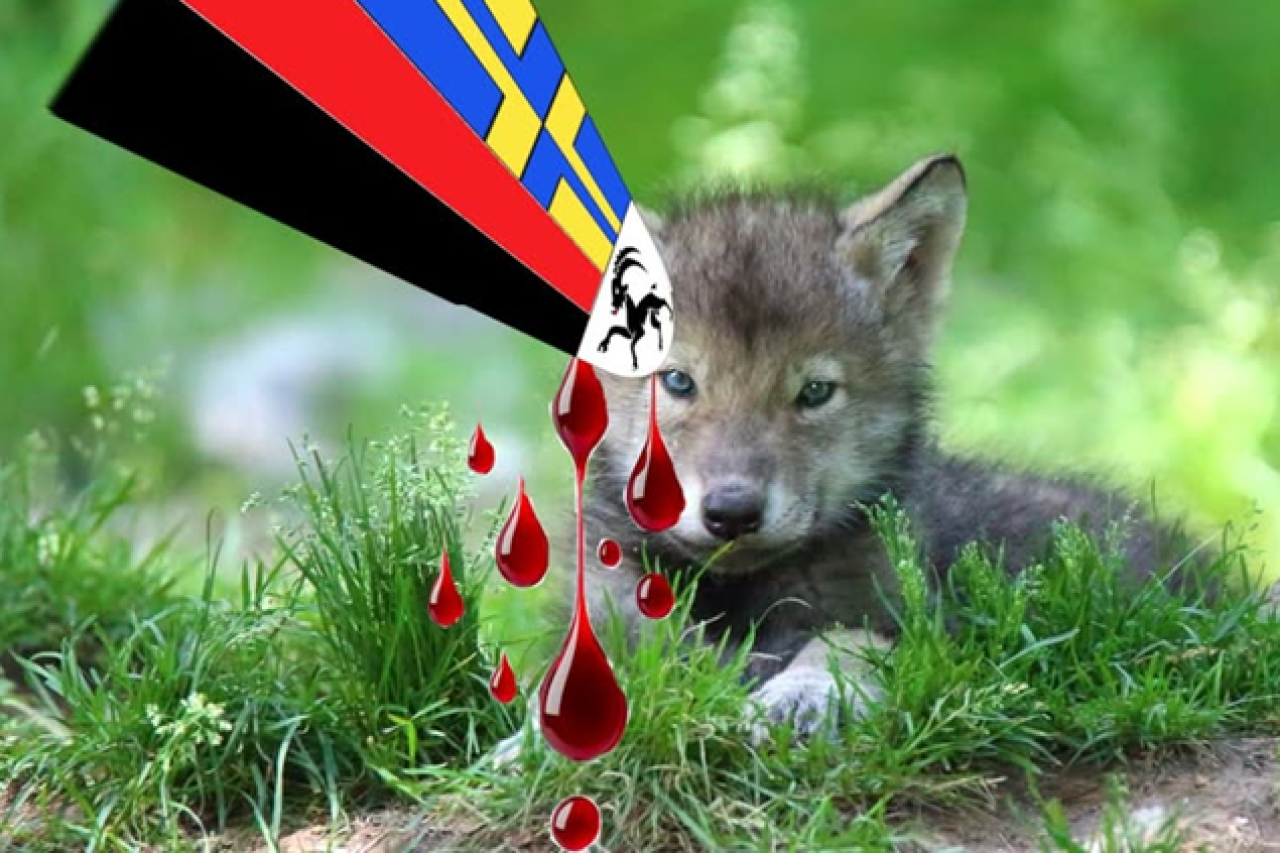
In Graubünden the cantonal government's announcement to preventively kill a large proportion of wolf pups has drawn sharp criticism from environmental organisations and animal protection advocates.
The debate touches on fundamental questions of nature and animal protection – and of the law.
The decline in wolf kills clearly shows that livestock protection works – and calls into question the assumption that larger populations inevitably lead to greater damage.
Legal framework in Graubünden and Switzerland
- Federal Constitution: obliges the Confederation and the cantons to protect the natural foundations of life and to promote biodiversity.
- Hunting Act: Wolves are fundamentally protected; exceptions are possible in cases of damage or for regulatory purposes, provided the population remains secure.
- Berne Convention: The wolf was classified as “strictly protected” until March 2025, but is now only “protected”. This lowers the threshold for interventions, but it is not a blanket exemption – proportionality remains mandatory.
Legally, this means: the Graubünden government may regulate wolves, but must ensure that interventions are justified, proportionate, and compatible with the protection of the overall population.
Critics point to the declining kill figures and call for more consistent livestock protection instead of preventive culls. In their view, the credibility of the rule of law and international species protection are at stake.
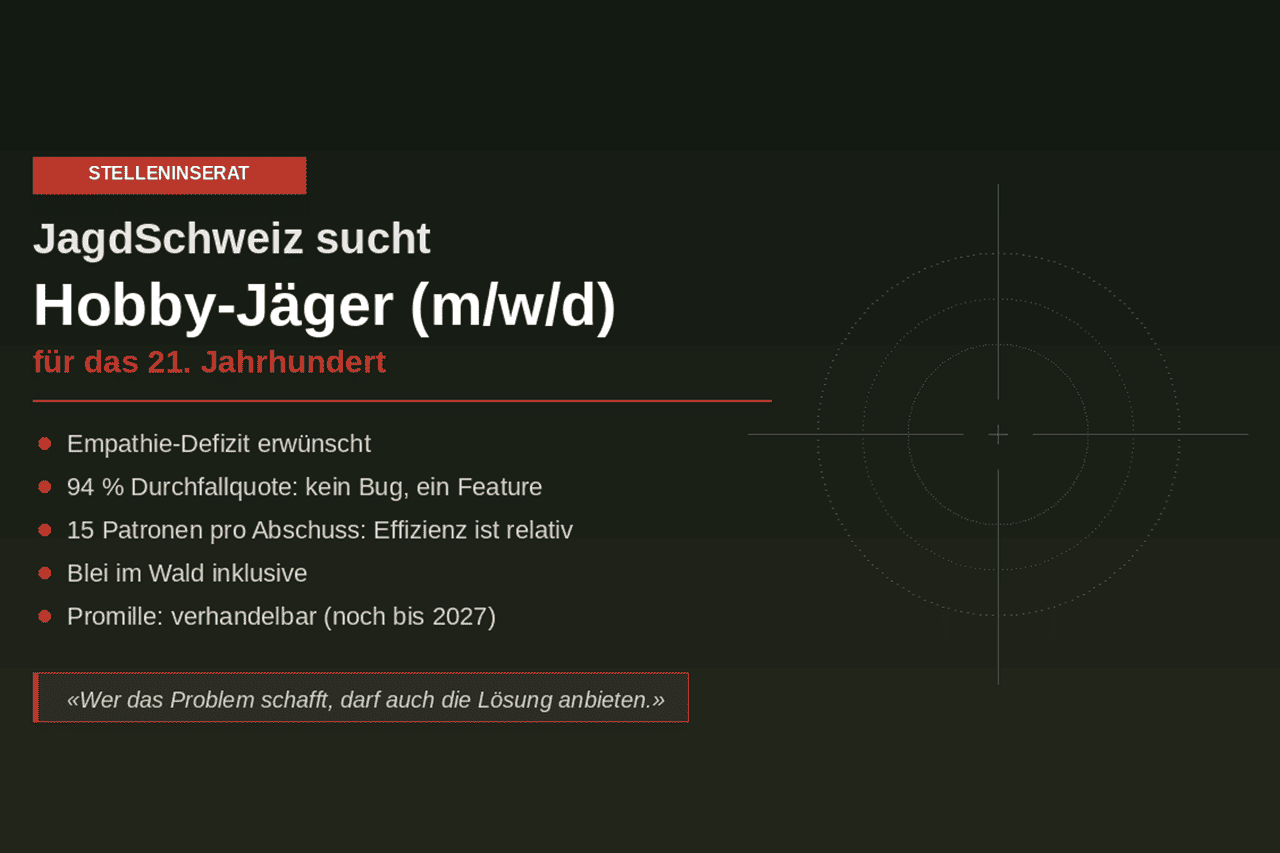
Whether preventive culls in the context of hunting are perceived as necessary protection or as a breach of the law remains to be seen. The wolf is not listed among huntable species. All wild animals not belonging to the huntable species are protected. Hobby hunters are not permitted to hunt the wolf through regular hunting, as it is not a huntable species.
The response of the Graubünden government to the petition signed by 17’000 people against the involvement of recreational hunters in the planned massacre of two-thirds of wolf pups is not only a slap in the face of all nature and animal protection advocates, but an open attack on law, the constitution, and international obligations.
«Given the sustained pressure from wolves and the rapid rise in the population, there is little room for restraint in regulatory measures.»
A look at the facts: bite and kill figures are declining. Yet the Graubünden government appears uninterested in reality. Instead, the fairy tale of a “rapid increase” is repeated – as if constant repetition could make it true.
The arbitrary nature of this becomes even clearer here:
«A course of action relying solely on non-lethal measures does not constitute a satisfactory solution … Rather, what is needed is a combination of herd protection, reactive regulation, and proactive regulation..»
“Proactive regulation” means nothing other than: culling without cause. No kills, no damage – the mere assumption of a possible threat is sufficient to kill wolf pups during their protected age.
Lawbreaking by government mandate
In doing so, the Graubünden government is knowingly crossing red lines:
- The Swiss Constitution obliges the Confederation and the cantons to protect endangered species. The wolf falls under this obligation – without exception.
- The Berne Convention, a legally binding international treaty, prohibits precisely what is being practised here: the killing of strictly protected species without compelling justification.
What the government is doing is nothing less than institutionalised lawbreaking – sanctioned and organised by those who are in fact supposed to uphold our legal order.
Federal Councillor Albert Rösti suspended democratic rules in order to push through the world’s most contemptible wolf hunt.
- Albert Rösti fast-tracked the hunting ordinance – despite the absence of a broad consultation process.
- He set the number of wolf packs lower without any scientific basis.
- Environmental organisations took the matter to court – and won.
Rather than respecting democratic processes, decisions were made on an expedited basis – at the expense of law, transparency, and nature conservation,writes watson.ch, who investigated the course of events.
Lobbying instead of responsibility
Instead of consistently enforcing herd protection, the rifle is declared the “solution.” This is not protection, but capitulation. It is submission to the farming lobby, which makes politics at the expense of the most vulnerable with the fairy tale of the “bad wolf” — and in doing so squanders the credibility of the rule of law.
A political scandal
The Grisons government sacrifices wolf cubs to serve its power games. It betrays the constitution, disregards international agreements and instrumentalises fear in order to shift legal boundaries.
The wolf is not the perpetrator, writes Wolf Facts on Facebook.
Dossier: Wolf Switzerland: Facts, Politics and the Limits of Hunting
Further articles
- Swiss meadows are losing biodiversity at an alarming rate
- When sheep, cattle and co. occupy wildlife habitat
- Swiss animal protection organisation criticises planned wolf culls as a threat to pack structures and herd protection
- In Graubünden, wolf incompetence runs rampant
- Val Fex: When the herd protection concept is more riddled with holes than the fence
- Culling instead of protection — Switzerland on the path to silent wolf extermination
- Communication failures at the Office for Hunting and Fisheries Graubünden
- Illegal wolf hunting in Switzerland
- Wolf cubs in Switzerland caught in the crossfire
- Switzerland sells wolf massacre as a success
- Negligence in the office of Katrin Schneeberger
- Livestock grazing alters the soil, plants and insect populations
- The absurd hunt for wolves in Switzerland
- The truth about sheep mortality in Switzerland: causes and statistics
- Wolf culls in Switzerland: concerns about party politician Albert Rösti
- Let us stop the SVP’s destructive rage
- Participation campaign: An appeal for change in Switzerland
- 200 environmental organisations from 6 continents call on the Swiss government: Stop the wolf cull
- Federal Council strongly criticised by wolf experts
- The consequences of controversial wolf management in Switzerland
- Wolf: Federal Councillor Rösti (SVP) circumvents law and order
- Es Burebüebli mahn i nit
- Are BAFU and the hunting authorities still operating responsibly?
- Federal Councillor Albert Rösti tramples the will of the people
- The consequences of controversial wolf management in Switzerland
- Too many sheep harm biodiversity
- Agricultural use destroys alpine meadows
- Attacks despite herd protection — how is that possible?
- The rotten apple in the St. Gallen hunting authority
- Pro Natura calls for a comprehensive strategy for summer sheep grazing
- According to Agridea study, livestock protection with dogs works well
- Thanks to livestock protection, wolves kill fewer farm animals in Switzerland
- Farmers treat fields as disposal sites
- Biomass of wild animals
- Of sheep farmers and vague authorities
- The double standards of wolf opponents
More on the subject of recreational hunting: In the dossier The Role and Criticism of Recreational Hunters we shed light on the training, power and self-image of recreational hunters. What the research says about this is shown by Hunting fact-checked: the state of research.
The position of IG Wild beim Wild: IG Wild beim Wild rejects recreational hunting. Our model is the canton of Geneva, which has managed without recreational hunting since 1974: without hunting seasons, without hunting dogs, without driven hunts, without high seats, without the animal cruelty and crime that go hand in hand with hunting season elsewhere. What has worked there for over fifty years disproves every position paper by JagdSchweiz. An association that bases its policy on claims it refutes in its own documents is not a professional organisation, but a factory for misinformation.