Fireworks affect wild animals: double stress from bangs and recreational hunting
Popular vote on 29 November 2026: wild animals caught in the crossfire of recreational hunting and New Year's Eve fireworks.
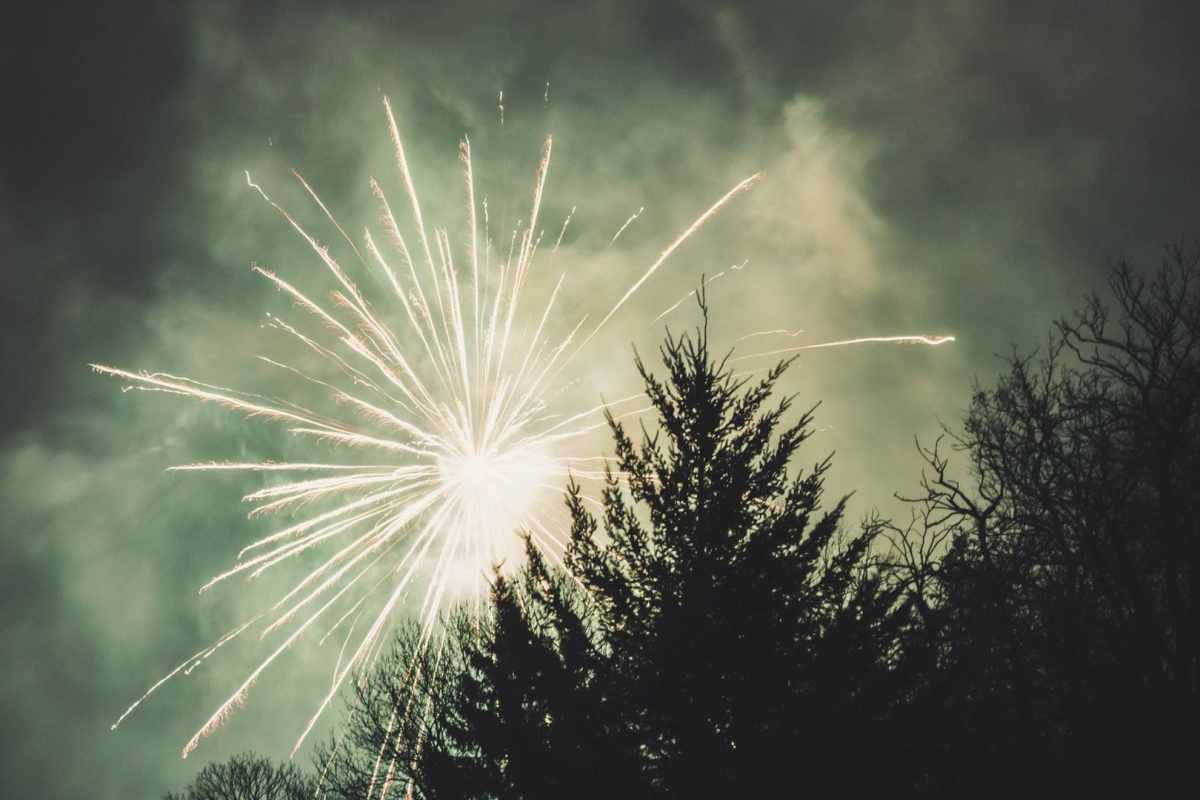
«For whom the sky burns»
Switzerland is voting.
On 29 November 2026, the public will decide on the so-called fireworks initiative, which aims to significantly restrict particularly loud and distressing fireworks for private use.
The initiative committee and the sponsoring association have decided to put the initiative to a public vote. The Swiss Animal Protection STS is part of the sponsoring coalition and will actively campaign.
For Wild animals this is overdue news.
What the initiative aims to achieve
The initiative does not target fireworks as such, but specifically the particularly loud and distressing fireworks used privately. Quieter alternatives, as well as organised public fireworks displays, would remain permitted. Parliament had discussed a counter-proposal, which would, however, only have addressed a small part of the problem – and it failed in the final vote. The decision now rests with the public.
Fireworks as a threat to wild animals
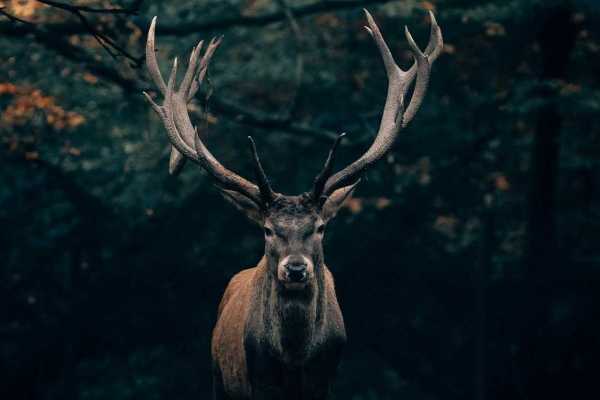
The sudden bang of a firework triggers immediate panic in wild animals. Roe deer, foxes, birds and many other animals flee blindly, abandon their established territories, become separated from their young, or collide with obstacles in the dark. The consequences range from acute stress and exhaustion to injury and death. Particularly affected are overwintering birds around New Year's Eve, as well as nesting birds and young animals around the National Day on 1 August.
This is not a fringe phenomenon. It is an annually recurring, nationwide stress attack on the Wildlife of Switzerland.
Double stress: recreational hunting and fireworks
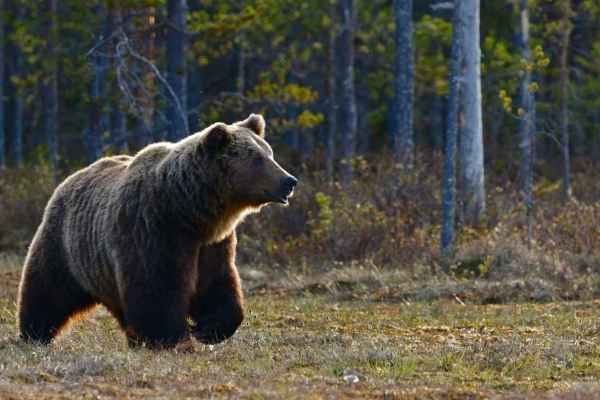
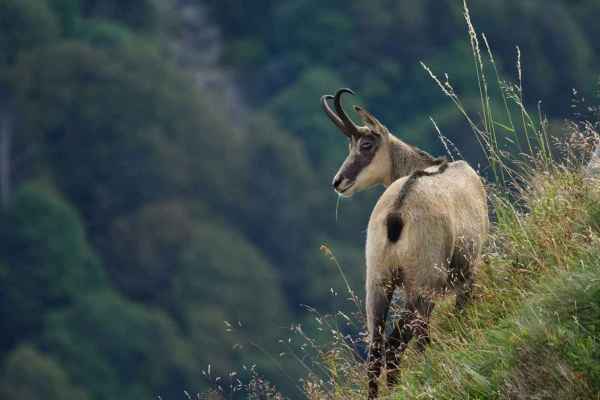
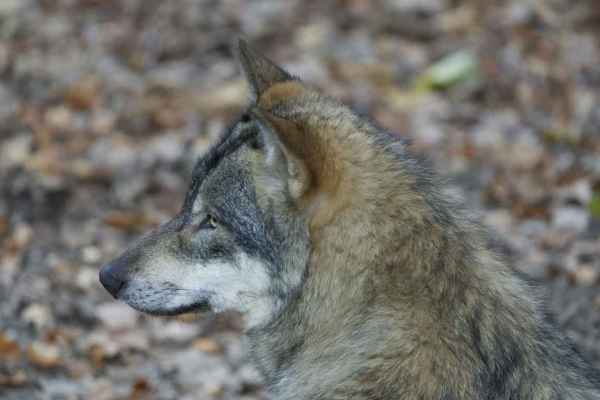
Something barely addressed in the public debate so far: wild animals in Switzerland do not live in peace. Throughout the year, they are under pressure from pursuit by the recreational hunting exposed – shots, hunting dogs, driven hunts, traps. This permanent threat scenario keeps wild animals in a state of chronic stress that weakens their immune function and shortens their life expectancy.
Loud private fireworks therefore do not hit recovered, undisturbed animals. They hit individuals who are already under lasting pressure from recreational hunting. The additive effect is devastating. Anyone who truly wants to help animals must keep both sources of stress in view: recreational hunting as a structural problem and fireworks as a seasonal escalation.
Wild animals need more
The fireworks initiative is a sensible, long overdue step. The fact that private individuals are allowed to blast entire landscapes with particularly loud firecrackers without any regulation cannot be scientifically justified. There are quieter alternatives, there are organised public events, and there is no valid reason why the right to private noise should outweigh the well-being of millions of animals.
What the initiative does not achieve, however, is to change anything about the fundamental situation of Wild animals in Switzerland. The chronic stress caused by recreational hunting remains. The initiative is a plaster – not a cure. Wild animals need hunting-free refuges, not merely a break from bangs on New Year's Eve or National Day.
Nevertheless: yes to the fireworks initiative. Because every bit of relief counts. Because wild animals have no lobby. And because a society that takes animals seriously does not need what is set off in private gardens.
Addendum from 7 October 2026: The date of the vote has now been set, on 29 November 2026 the people and the cantons will decide. You can read what is on the ballot and why municipal rules are not enough for wild animals in our article Fireworks initiative on 29 November: what's at stake for wild animals.
More on the subject of recreational hunting: In our dossiers on recreational hunting gather fact-checks, analyses and background reports. What the research says about this is shown by Hunting fact-checked: the state of research.
The position of IG Wild beim Wild: IG Wild beim Wild rejects recreational hunting. Our model is the canton of Geneva, which has managed without recreational hunting since 1974: without hunting seasons, without hunting dogs, without driven hunts, without high seats, without the animal cruelty and crime that go hand in hand with hunting season elsewhere. What has worked there for over fifty years disproves every position paper by JagdSchweiz. An association that bases its policy on claims it refutes in its own documents is not a professional organisation, but a factory for misinformation.

All articles are written by IG Wild beim Wild as well as by external co-authors. Research, structuring and editorial processes may be supported by AI-assisted tools.
Support our work
With your donation you help protect animals and give their voice a hearing.
Donate now →