Court: Wolf shooting at Calanda was premature
The St. Gallen Administrative Court confirms: the shooting permit for two young Calanda wolves was issued prematurely. The WWF wants to enforce preventive measures instead of culling in the future. More on law and legislation.


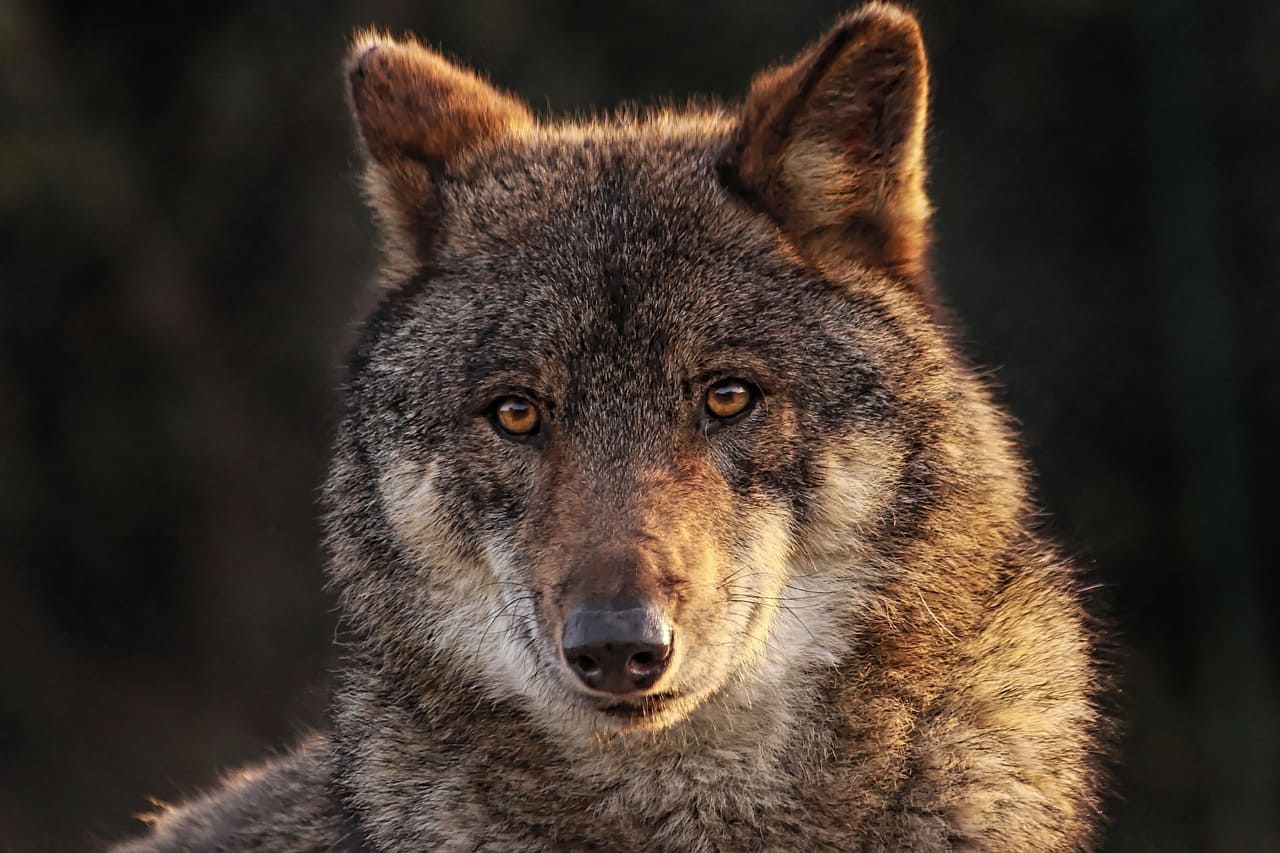
The canton of St. Gallen issued the shooting permit for two young Calanda wolves prematurely at the end of 2015.
The St. Gallen Administrative Court has accepted a complaint filed by WWF Switzerland. The aim is to ensure that culling is avoided in the future through preventive measures. In particular, food sources are to be consistently eliminated. The Graubünden Administrative Court had already ruled in June 2016 that a shooting permit was disproportionate (Wild beim Wild reported).
The St. Gallen Administrative Court has concluded that no significant threat to humans posed by the Calanda wolves could be established, and that the shooting permit was therefore issued prematurely. The legal requirements for population regulation had not been met.
Deter rather than shoot
«The St. Gallen judges have given a boost to a factual, evidence-based wolf policy with their ruling,» said Gabor von Bethlenfalvy, large carnivore officer at WWF Switzerland.
Instead of shooting permits, milder measures such as deterrence should be employed. «The ruling gives us hope that normal wolf behaviour in Switzerland will be viewed more soberly in the future,» said von Bethlenfalvy. Recreational hunting fails as a population control method – preventive measures are the more sustainable path.
The cantons of St. Gallen and Graubünden had issued a shooting permit for two young Calanda wolves before Christmas 2015, with the approval of the federal government. However, because the pack rarely appeared near settlements due to the mild winter, no wolf could be shot. The Hunting Act provides for culling only as a last resort.
More on the subject of recreational hunting: In the dossier Poaching and hunting crime in Switzerland we document cases, legal questions and recurring patterns. The scientific evidence is presented in the overview Studies on the Effects of Recreational Hunting.
The position of IG Wild beim Wild: IG Wild beim Wild rejects recreational hunting. Our model is the canton of Geneva, which has managed without recreational hunting since 1974: without hunting seasons, without hunting dogs, without driven hunts, without high seats, without the animal cruelty and crime that go hand in hand with hunting season elsewhere. What has worked there for over fifty years disproves every position paper by JagdSchweiz. An association that bases its policy on claims it refutes in its own documents is not a professional organisation, but a factory for misinformation.