
Parliament enshrines ban on fur produced through animal cruelty in law
Following the final vote, the import and trade ban is now part of the Animal Welfare Act. However, it will still be years before fur produced through animal cruelty actually disappears from shops.
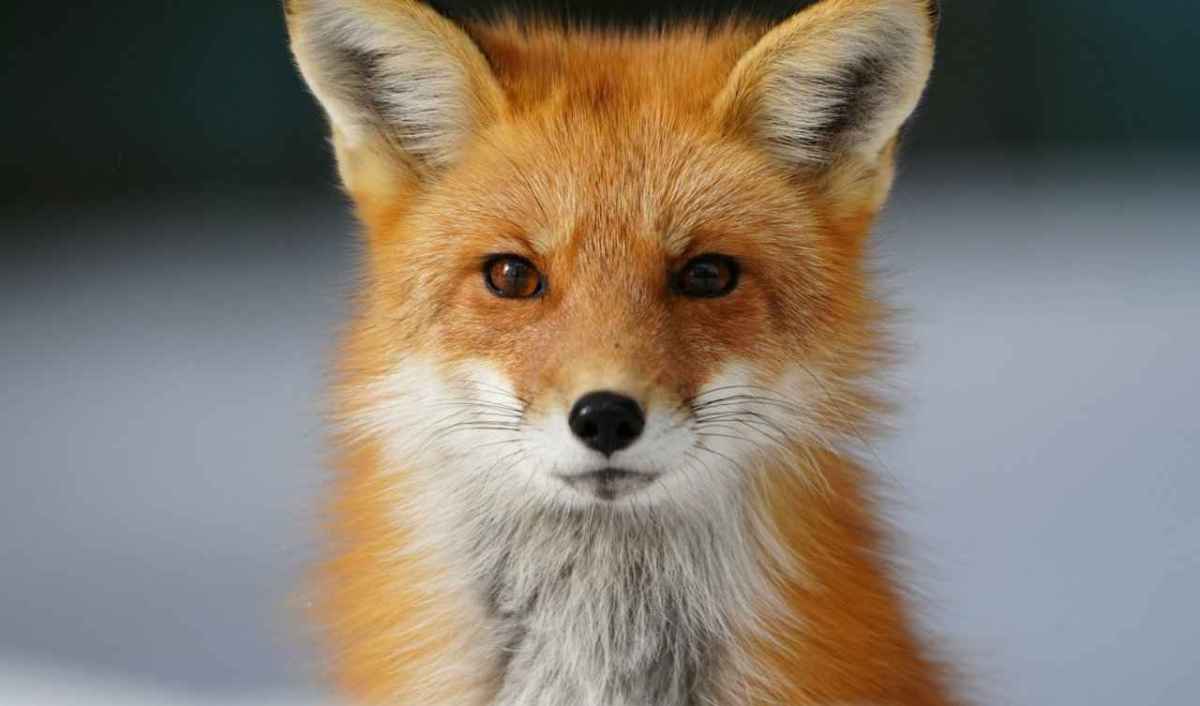
Foxes are among the species kept on fur farms and shot during recreational hunting in Switzerland. Photo: Cody Boileau / Unsplash
“The Trap”
Switzerland has definitively enshrined the ban on fur from production involving animal cruelty in law.
With the final vote on 2 October 2026, the National Council and the Council of States adopted the indirect counter-proposal to the fur initiative. In future, the commercial import of such fur and its domestic trade will be banned under the Animal Welfare Act. According to the animal welfare organisations involved, Switzerland is the first country in the world with a legal import ban linked to production methods involving animal cruelty.
Behind the decision are FOUR PAWS, the Foundation for the Animal in Law (TIR), the Swiss Animal Protection STS, Zurich Animal Protection, Sentience, and Animal Rights Switzerland. “Today is a great day for animals,” says Katja Schönenberger, Managing Director of FOUR PAWS Switzerland.
What Parliament has decided
In May 2025, the Federal Council had taken a two-pronged approach. It issued an import ban at the ordinance level, which came into force on 1 July 2025. At the same time, it presented Parliament with an indirect counter-proposal that goes beyond the initiative and also bans trade within Switzerland. The National Council approved it in September 2025, as Wild beim Wild reported. The Council of States followed on 15 September 2026 with 43 votes to 1.
An ordinance, which the Federal Council could amend at any time, is thus being turned into a law. Andreas Rüttimann of the Foundation Tier im Recht speaks of a permanent statutory animal welfare standard. The initiative committee had announced that it would withdraw the popular initiative if parliament adopted an effective counter-proposal.
Certification instead of industry standards
At the heart of the ban is a certification programme run by the Federal Food Safety and Veterinary Office (FSVO). In future, furs are only to be permitted for commercial import and sale if their production meets the requirements of the certification programme. This includes ensuring that the non-human animals can exhibit species-appropriate behaviour and are not subjected to pain or injury.
According to the organisations, parliament rejected attempts by the fur industry to help determine the criteria through its own industry labels. Because the requirements go significantly beyond today's usual husbandry conditions, most products currently traded from the commercial fur industry are likely to no longer be importable in future. The FSVO intends to work out the key details of the programme by the end of 2026.
A long road since the declaration requirement
For years, Switzerland relied on fur declaration. It failed — a view the Federal Council now also shares. Nadja Brodmann of Zürcher Tierschutz concludes from this that declaration and voluntary abstention are not enough to eliminate an animal welfare grievance.
Wild beim Wild has followed this development over the years: from the campaign for a fur import ban in 2021 through the criticism of the gaps in the Swiss animal welfare act to the moment when the Federal Council first examined an import ban in 2023. What the situation looks like in the countries of origin is shown by the investigations into fur farming in Finland, where foxes in cages are fattened beyond recognition.
Internationally, Israel remains a point of reference: in 2021, it became the first country to ban the sale of fur for fashion. Switzerland is now taking its own path by addressing the issue at the point of import.
Deadlines run until 2030
What is missing from the organisations' press release: it will still take time before the ban takes effect. On 5 June 2026, the Federal Council extended the ordinance's transitional provisions by two years, so that the fur industry can adapt its production. Under this provision, furs produced through animal cruelty may no longer be imported from 1 July 2029 and may no longer be sold from 1 July 2030.
Until then, such products will continue to hang in Swiss shops. For the non-human animals on fur farms, the extension means two further years of production under conditions that will no longer meet the legal requirements for import and trade in Switzerland in future.
And what about fur from recreational hunting?
The decision targets production methods abroad. One chapter remains excluded: the fur that is produced within Switzerland itself. At the Grisons fur market in Thusis, 700 to 800 fox pelts changed hands for 8 francs apiece. These foxes were not killed on fur farms, but through recreational hunting.
The principle formulated by STS managing director Marco Mettler therefore also applies to recreational hunting: animal welfare does not end at the national border. But nor should it stop where the suffering takes place within one's own country. Anyone who classifies fur from foreign cage farming as cruel to animals must confront the question of why the killing of foxes in this country is regarded as tradition, even though it is ecologically unnecessary from the perspective of IG Wild beim Wild. Wild beim Wild shows why fox hunting is professionally untenable in the Dossier section. Further articles on this topic can be found in the category animal rights.
More on the subject of recreational hunting: The scientific evidence is presented in the overview Studies on the Effects of Recreational Hunting.
The position of IG Wild beim Wild: IG Wild beim Wild rejects recreational hunting. Our model is the canton of Geneva, which has managed without recreational hunting since 1974: without hunting seasons, without hunting dogs, without driven hunts, without high seats, without the animal cruelty and crime that go hand in hand with hunting season elsewhere. What has worked there for over fifty years disproves every position paper by JagdSchweiz. An association that bases its policy on claims it refutes in its own documents is not a professional organisation, but a factory for misinformation.

All articles are written by IG Wild beim Wild as well as by external co-authors. Research, structuring and editorial processes may be supported by AI-assisted tools.
Support our work
With your donation you help protect animals and give their voice a hearing.
Donate now →