The Dark Reality of Fur Farming in Finland
Activists release footage from Finnish fur farms to push the EU toward a trade ban.

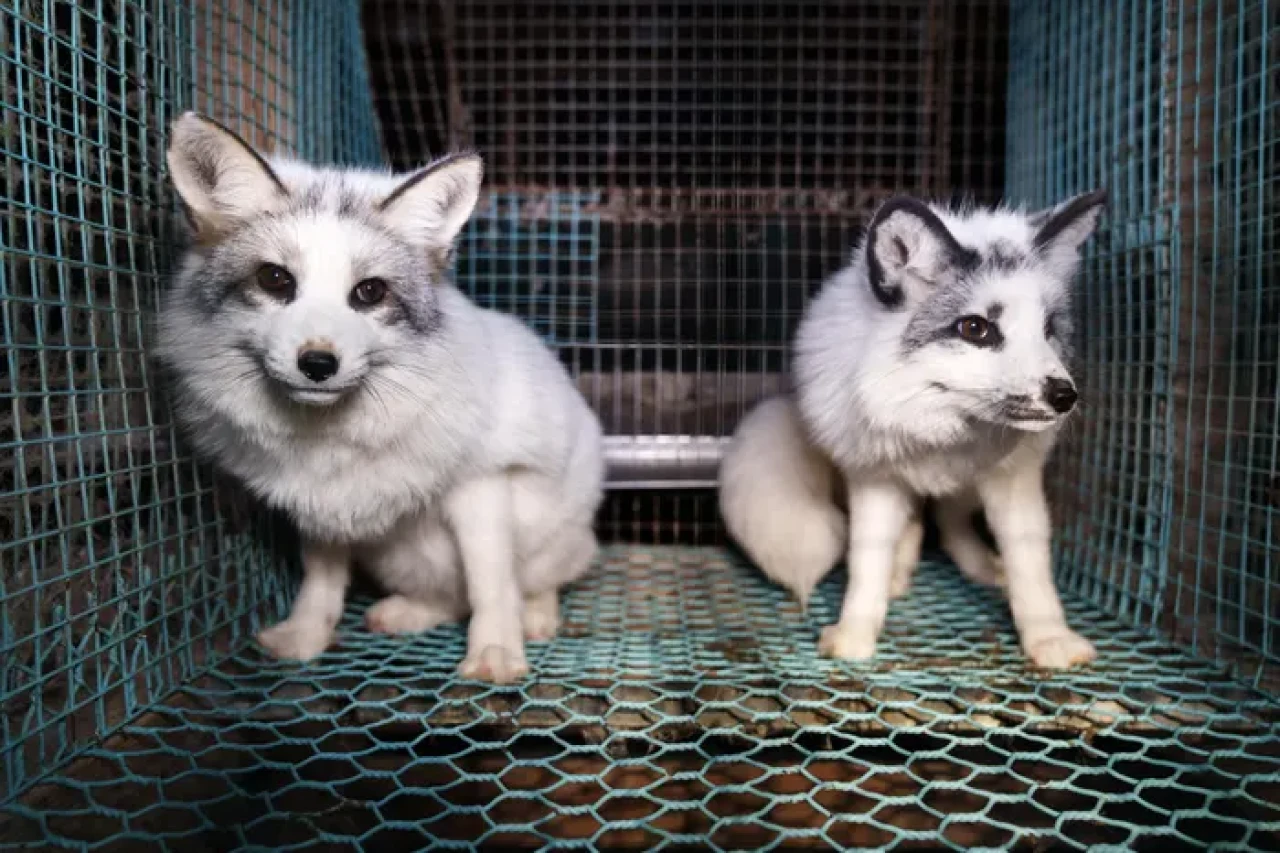
A red fox scratches desperately at the wire mesh of its small cage.
An Arctic fox slinks sluggishly with a bloody tail. Other furry creatures, some with tear-stained eyes, stare blankly into the light of an activist's video camera.
The Finnish advocacy group Oikeutta Eläimille (Justice for Animals) and Humane Society International have released footage recorded during an undercover investigation at three fur farms in western Finland in late October, to expose the reality behind the scenes of the fur trade.
EU Decision on Fur Farming Ban Imminent
The activists' incursion came at a time when the European Union, of which Finland is a member, is awaiting an opinion from the EU agency for animal welfare before deciding in March 2026 whether to propose a complete ban on fur farming.
FIFUR, a Finnish fur breeders’ association, criticised the «covert filming» of the farms and accused the intruders of violating «strict biosecurity requirements» at farms where operations «are strictly regulated by national laws and regulations» and where veterinarians oversee animal welfare.
Some viewers may be troubled by the condition of the cuddly-looking creatures; others will wonder what the fuss is about: the industry is — at least for now — legal and regulated.
Setting aside the confinement of animals in small cages — sometimes several animals in a single cage — none of the footage shows mistreatment. No explanation was provided for the bright red blood at an open wound and exposed bone in the tail area of a single Arctic fox.
"These images and these interventions create a false picture of normal laboratory animal husbandry and animal welfare on the farms," said FIFUR spokesperson Olli-Pekka Nissinen, adding that his group expects the initiative to ban fur farming to be rejected.
The breeders' association stated that the fur sector has the highest animal welfare standards of all forms of animal husbandry, and Nissinen noted that farmers would have little incentive to mistreat the animals. "The welfare of the animals is reflected first in the animals' fur, and it is necessary for farmers to care for the animals in order to earn an adequate income."
According to FIFUR, most of the 442 member farms (as of December of last year) are run by family businesses, and almost all farms are located in the Ostrobothnia region on the Baltic Sea. Finland is the world's largest producer of certified fox fur, according to the industry group.
The spokesperson for Oikeutta Eläimille, Kristo Muurimaa, says that the action consisted of entering the farms to observe and document the animals' living conditions, and that the photos were taken in accordance with Finnish law.
Neither side has announced plans for legal action
"Fur has been used by humans for a long time, essentially since the Stone Age," said Muurimaa. However, a practice in which animals are kept in very small, bare cages is not that old. It is a product of modern times, in which animals are regarded merely as products.
This kind of treatment of animals has no place in today's world. Times have changed and it is time to leave this kind of cruelty behind, he added. In today's world, no one needs fur anymore. Fur is used primarily by the wealthy elite in countries such as China and Russia as a status symbol.
The EU, with its 27 member states, estimates that there are approximately 1’000 fur farms in the union with around 7.7 million animals, including mink, foxes and raccoon dogs.
Ban on fur imports also planned in Switzerland
In neighbouring Switzerland, which is not an EU member, a three-month public consultation ended last month on a government proposal that would ban the import and sale of fur derived from the “mistreatment” of animals. The measure would enable authorities to confiscate such fur.
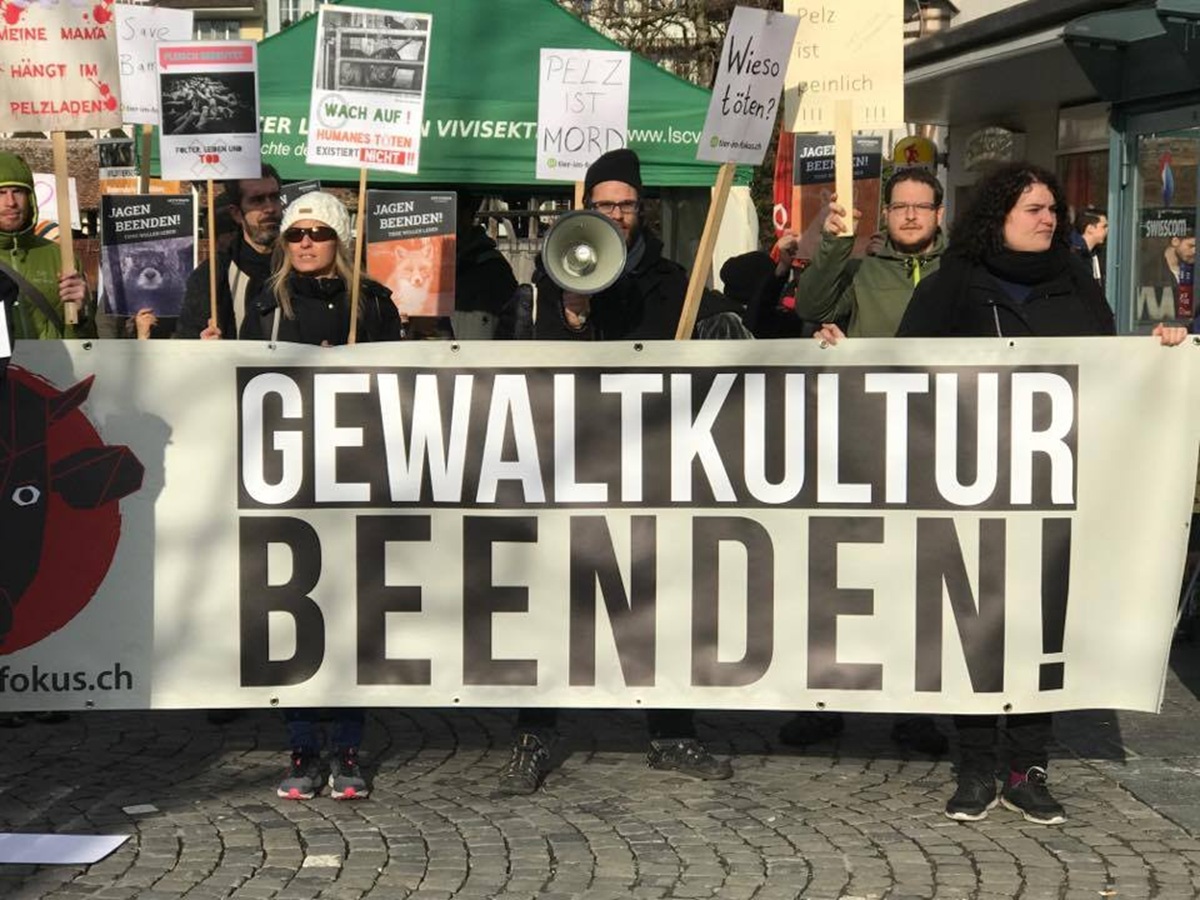
Activists want the Swiss government to go even further by seeking a broader definition of “mistreatment” and a larger number of affected fur farms. The issue, which is not currently on Switzerland’s packed referendum calendar, could be put to a public vote at the earliest by the end of 2026.
Humane Society International stated last month in a declaration that millions of animals suffer and die every year in the global fur trade and that the “overwhelming majority of animals killed for their fur are kept in barren battery cages on fur farms”.
Finland is one of the last European countries where fur farming is still legal, according to the interest group. It pointed the finger at a number of retail brands that use fox fur from Finland.
China is the world’s most important export market for fur, followed by South Korea and the Western European–North American market, according to FIFUR, which counts hundreds of farms in Finland among its members.
In Europe, Poland and Greece will be the largest producers from 2023 onwards — almost exclusively of mink — while Finland ranks third, according to a report by the industry association published this year.
Outbreaks of avian influenza and the coronavirus have fur industry, particularly in Denmark, hard since 2020, but the supply trend line has been declining for many years.
The FIFUR report shows that the supply of mink pelts has fallen by around three quarters since 2010 to 12’285 units last year — a similar percentage decline to that of mink pelts, which will stand at 2’440 units in 2023.
More on the subject of recreational hunting: The scientific evidence is presented in the overview Studies on the Effects of Recreational Hunting.
The position of IG Wild beim Wild: IG Wild beim Wild rejects recreational hunting. Our model is the canton of Geneva, which has managed without recreational hunting since 1974: without hunting seasons, without hunting dogs, without driven hunts, without high seats, without the animal cruelty and crime that go hand in hand with hunting season elsewhere. What has worked there for over fifty years disproves every position paper by JagdSchweiz. An association that bases its policy on claims it refutes in its own documents is not a professional organisation, but a factory for misinformation.