Beavers: Important allies for greater biodiversity
Beavers are important allies for greater biodiversity. Their constructions create valuable habitats for numerous animal and plant species.
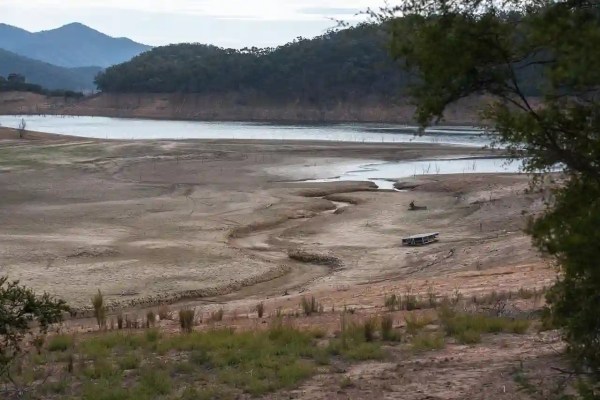
This year, Europe experienced record-breaking heatwaves and one of the worst droughts in a century, prompting many communities to impose water bans.
These included bans on watering gardens, filling paddling pools and even washing cars.
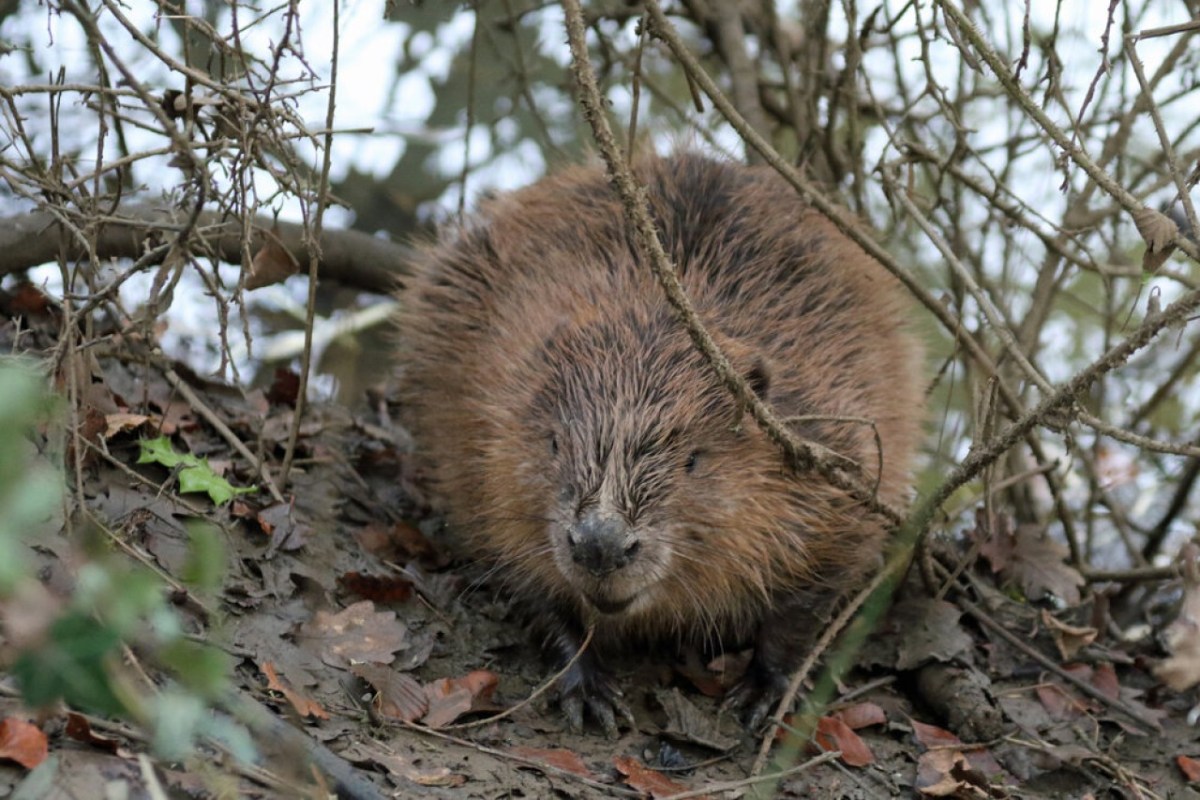
In a small part of West Sussex in England, however, a very different method of combating the drought is under way. In February, a pair of Eurasian beavers were introduced to the Knepp Wildland, a pioneering rewilding project on former agricultural land. During the recent heatwaves, the dams built by the animals have kept the ponds full and the soils marshy, while lowering air and ground temperatures.
Knepp Wildland is the first large lowland rewilding project in England. It comprises 1’400 hectares of former arable and dairy land on the grounds of Knepp Castle in West Sussex, England.
«We have seen truly astonishing results in the five months they have been here«, says Penny Green, an ecologist at Knepp Wildland. «The beavers have already created a small network of ponds that they have dammed, they have grazed on some of the vegetation in the ponds and we have small young ones.«
«But the most interesting thing for us is that, although we are in a year of great drought and most of the small streams on both sides of the enclosure have dried up, here in the beaver enclosure the most astonishing wetland oasis has emerged around us.»
The extensive system of ponds and canals connecting them helps the branches take root and regrow, while at the same time attracting a wide variety of animals, including dragonflies, damselflies, reed warblers, chiffchaffs, as well as a multitude of amphibians, insects and bats. In addition, the backing up of water above the dams has created further wetlands outside the enclosure, where larger mammals such as roe deer, cows and pigs frequently quench their thirst.
Surprisingly, it is precisely the imperfection of the beaver dams that is a key aspect in the fight against drought and the loss of biodiversity. «They offer opportunities during the summer months because they have slightly leaky dams«, explains Green. » In drought years like this one, when there may not be so much water present in our landscapes, a little water flows off. So they will let a little water out of these dams throughout the summer.
The beavers' activity also plays a crucial role in cooling the environment, as deeper water with lower temperatures flows into the surrounding landscape, and the evaporation from the large surfaces of the ponds helps to cool the air.
As Green argues, many benefits extend far beyond the hot summer months. «Beavers create all sorts of wonderful habitats for other wild animals, but they also provide many ecosystem services that help us humans. They contribute to reducing flooding by holding the water back, especially during the heavy rainfall we have. They hold the water back and slow the runoff, which is great.«
In view of these various benefits to the climate that beaver activity brings, the British government has finally placed these resilient ecosystem engineers under legal protection and prohibited deliberately catching, killing and injuring them or damaging their lodges and dams. In our fight against climate change, these fascinating creatures could be among our most unexpected, yet strongest, allies.
Huntable again since 2024 – despite confirmed benefits
The finding from Knepp has since been confirmed elsewhere too: a new study by the national beaver advisory centre in Switzerland, presented in March 2026, shows that in the areas studied the number of animal and plant species has increased 2.6-fold since beavers were settled. At the same time, the legal situation in Switzerland has tightened: on 13 December 2024 the Federal Council brought into force the revised hunting act together with an amended hunting ordinance, meaning that beavers – whose population in this country has now grown to around 5,000 animals – may now be hunted under certain conditions. Pro Natura, WWF and BirdLife Switzerland criticise the new regulation as unnecessary, too vaguely worded, and consider it possibly unlawful, since in 2020 the population rejected a proposal that would have expressly permitted the hunting of beavers.
More on the subject of recreational hunting: In our dossiers on recreational hunting gather fact-checks, analyses and background reports. The scientific evidence is presented in the overview Studies on the Effects of Recreational Hunting.
The position of IG Wild beim Wild: IG Wild beim Wild rejects recreational hunting. Our model is the canton of Geneva, which has managed without recreational hunting since 1974: without hunting seasons, without hunting dogs, without driven hunts, without high seats, without the animal cruelty and crime that go hand in hand with hunting season elsewhere. What has worked there for over fifty years disproves every position paper by JagdSchweiz. An association that bases its policy on claims it refutes in its own documents is not a professional organisation, but a factory for misinformation.
Support our work
With your donation you help protect animals and give their voice a hearing.
Donate now →