African wild dogs give birth 22 days later
African wild dogs prefer to breed during the coolest time of year, and climate change has shifted the average birth date by 3 weeks in just 30 years.

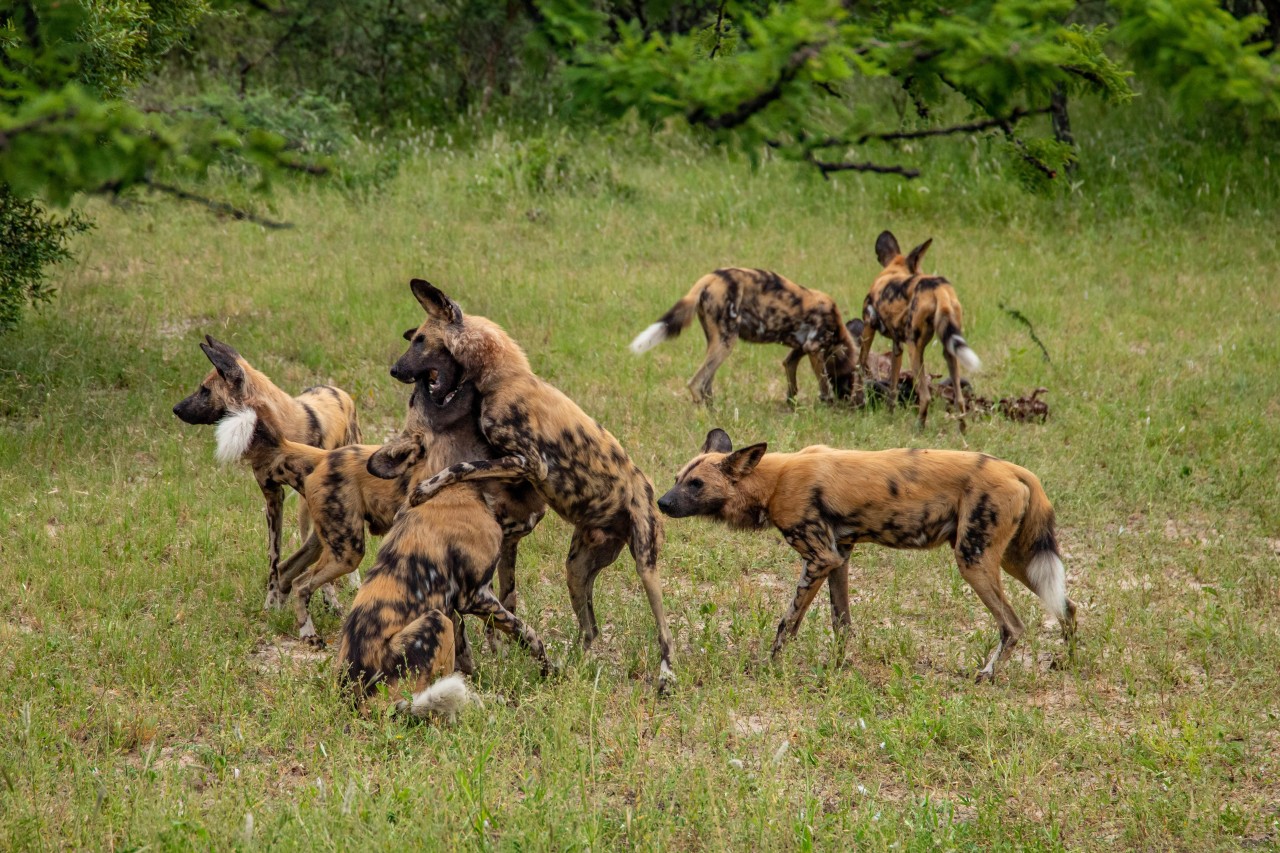
Due to climate change, African wild dogs now give birth 22 days later than they did 30 years ago.
Briana Abrahms of the University of Washington in Seattle and her colleagues analysed data from 60 wild dog packs in Botswana covering the period between 1989 and 2020, including the dates on which the dogs gave birth each year.
They compared this data with a climate model they had constructed based on data from a nearby weather station. This yielded the maximum daily temperature experienced by the dogs in that region of Botswana.
African wild dogs prefer to breed during the coolest times of the year, and that period keeps getting later, says Abrahms. In 1990, the average date for births was 20 May. By 2020, they will be giving birth 22 days later, on 12 June.
It is unclear exactly why wild dogs breed when temperatures are at their coldest, but it is likely linked to optimal hunting conditions, says Abrahms.
«When a wild dog is born, it is cared for by its mother in a den for the first 90 days«, says Abrahms. «It is safer there from other predators and from the elements«, she says. During this time, the other dogs in the pack must hunt for both the mother and the pups.
The team found a close correlation between the shift in birth dates and rising temperatures. The maximum daily temperature experienced by the dogs rose by 3.8 degrees over the study period. «It is a very close correlation«, she says. «The rate of warming and the rate of the shift in births – the lines are almost parallel.»
The rise in temperature could also affect the survival rate of the pups. «We are observing that fewer young are emerging from the den«, says Abrahms, although it is not clear why.
Changes in breeding times due to climate change have already been observed in many animals, including squirrels and great tits, but the shift in wild dogs appears to be unusually dramatic. A study examining altered life cycles in animals found an average shift of 2.88 days per decade.
In wild dogs, the shift may be so large because their reproductive patterns are particularly sensitive to temperature, says Abrahms.
«The findings are clear. A shift of one week per decade in the timing of breeding behaviour is significant and is likely to accelerate further«, says Julia Myatt of the University of Birmingham in the UK. «The animals are capable of adapting and changing their behaviour, but the picture is complex and changes in the environment are so rapid that they may not be able to keep pace.»
This study will help refocus our conservation efforts and our understanding of the impact of climate change on the ecosystem in which they live.
More on the subject of recreational hunting: In the dossier The Role and Criticism of Recreational Hunters we shed light on the training, power and self-image of recreational hunters. What the research says about this is shown by Hunting fact-checked: the state of research.
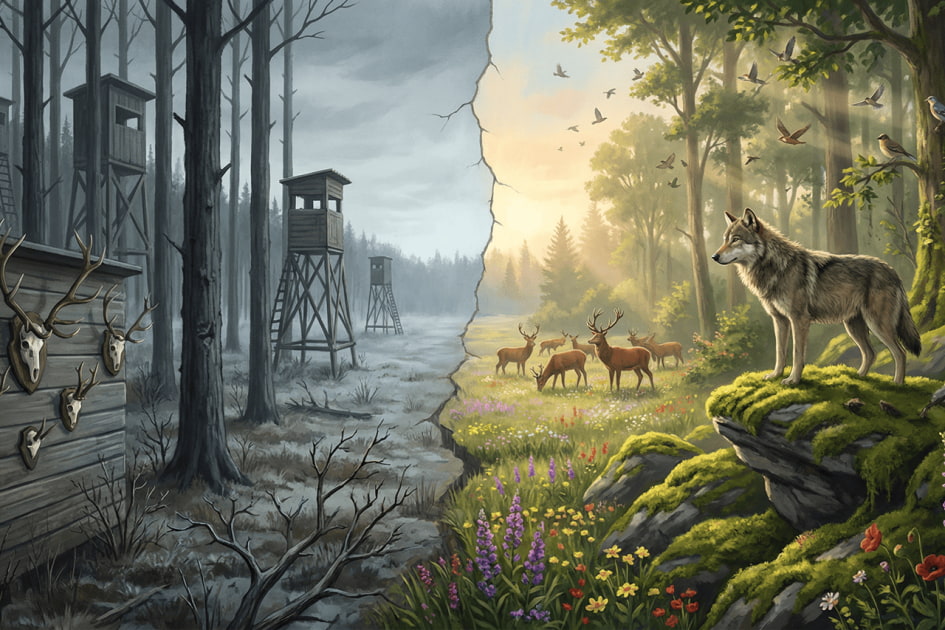
The position of IG Wild beim Wild: IG Wild beim Wild rejects recreational hunting. Our model is the canton of Geneva, which has managed without recreational hunting since 1974: without hunting seasons, without hunting dogs, without driven hunts, without high seats, without the animal cruelty and crime that go hand in hand with hunting season elsewhere. What has worked there for over fifty years disproves every position paper by JagdSchweiz. An association that bases its policy on claims it refutes in its own documents is not a professional organisation, but a factory for misinformation.