Space: Space Station Observes Wildlife
With the Icarus project, researchers aim to provide better warnings of earthquakes, track epidemics, and protect animals. While the two cosmonauts were mounting the Icarus antenna on the ISS, the space station orbited the Earth five times. Now the mammoth wildlife observation project can get underway.

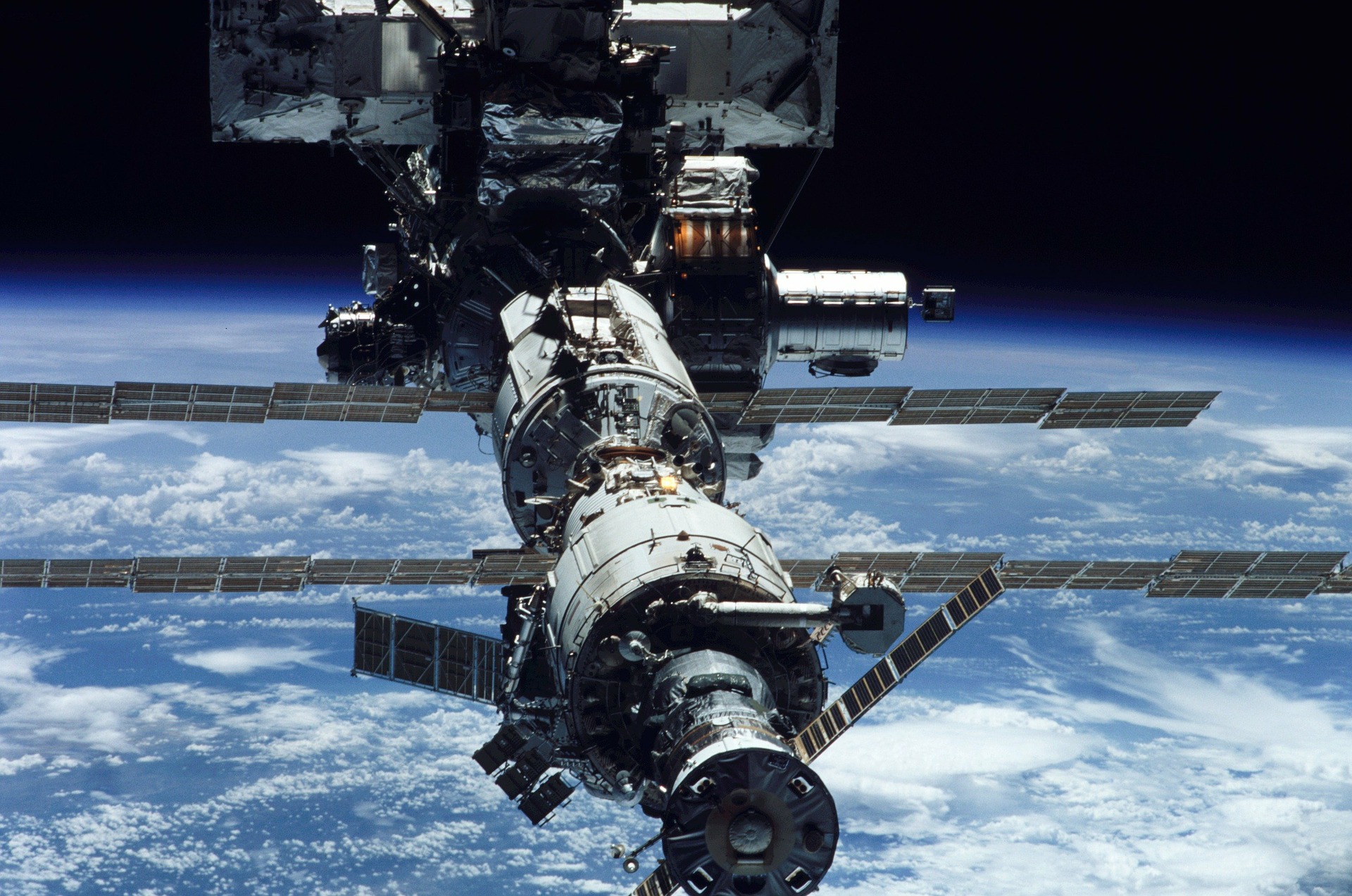
With the Icarus project, researchers aim to provide better warnings of earthquakes, track epidemics, and protect animals. While the two cosmonauts were mounting the Icarus antenna on the ISS, the space station orbited the Earth five times. Now the mammoth wildlife observation project can get underway.
During the more than seven-hour operation, cosmonauts Oleg Artemyev and Sergei Prokopyev mounted an antenna on the outer shell of the ISS. It is a key component of the so-called Icarus project – a monumental scientific endeavour with which researchers hope to gain an entirely new understanding of life on Earth.
The goal of this project is to better track the movements of wildlife on Earth. Researchers want to equip animals with thumbnail-sized mini-transmitters weighing just five grams and observe them with the help of the ISS. They hope this will shed light on the migratory patterns of birds, among other things, thereby contributing to species conservation.
«In ten years, we will know which animals can predict natural disasters.» Martin Wikelski
Tracking migratory birds
Pest infestations could also be combated more effectively. Storks, for example, rest near large swarms of locusts during their southward migration – Icarus is intended to help locate these swarms, explained the scientific director of the Icarus project, Professor Martin Wikelski of the Max Planck Institute for Ornithology in Radolfzell.
«We hope to gain clarity on which migration routes local birds choose, so that we can target our conservation efforts at stopover sites and put forward scientifically grounded bird protection demands to the EU Commission,» said Nabu federal executive director Leif Miller.
Together with a Maltese partner organization, the conservationists have equipped turtle doves with transmitters designed to interact with the antenna on the ISS. NABU also hopes to observe the effects of climate change on migratory animals and gain insights into the transmission of diseases, among other things. In addition to birds, bats, marine mammals, fish, and butterflies are also to be monitored.
Project Begins in 2019
The actual project is set to launch at the beginning of 2019. Preparations for it took nearly two decades. In addition to Roscosmos, the main partners involved are the Max Planck Society, the German Aerospace Center (DLR), and the University of Konstanz. More on Environment and Nature Conservation.
More on the subject of recreational hunting: In our dossiers on recreational hunting gather fact-checks, analyses and background reports. The scientific evidence is presented in the overview Studies on the Effects of Recreational Hunting.
The position of IG Wild beim Wild: IG Wild beim Wild rejects recreational hunting. Our model is the canton of Geneva, which has managed without recreational hunting since 1974: without hunting seasons, without hunting dogs, without driven hunts, without high seats, without the animal cruelty and crime that go hand in hand with hunting season elsewhere. What has worked there for over fifty years disproves every position paper by JagdSchweiz. An association that bases its policy on claims it refutes in its own documents is not a professional organisation, but a factory for misinformation.