Hunting Law Supporters Follow the Smear Campaign
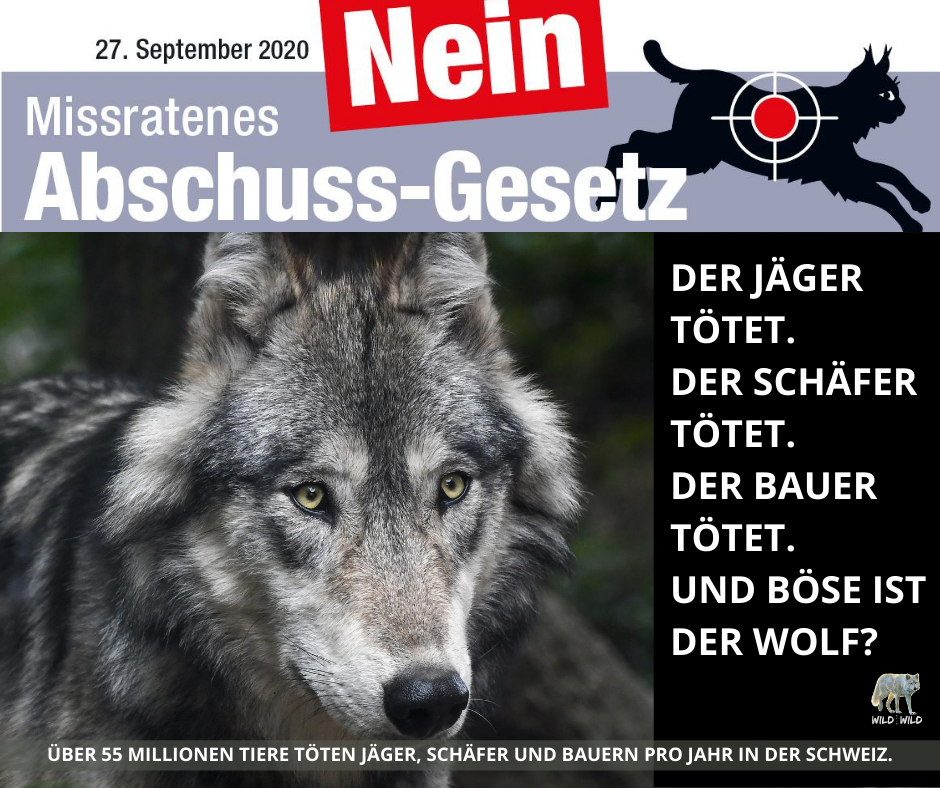
The debate over predators is driven by emotions rather than facts. The wolf is the target of a smear campaign by the hobby hunting lobby.


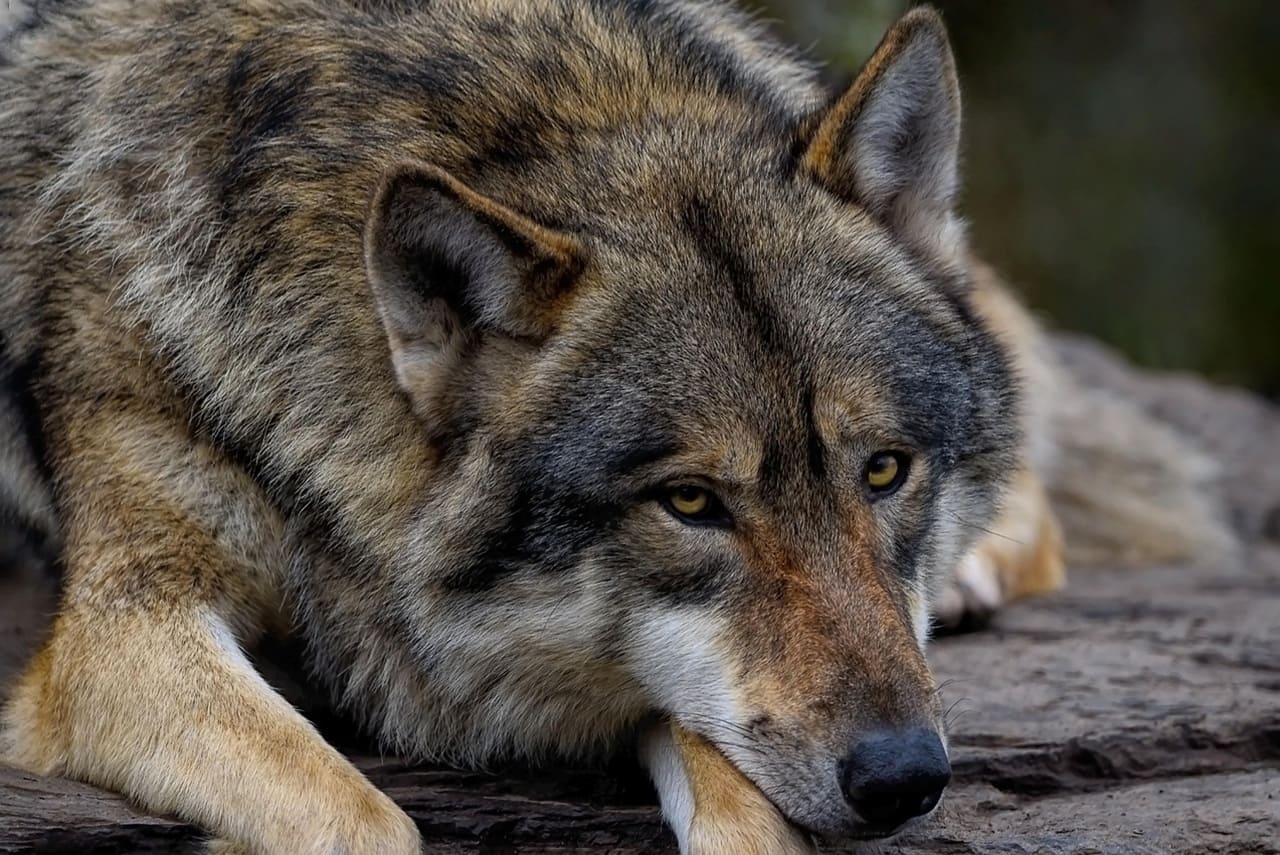
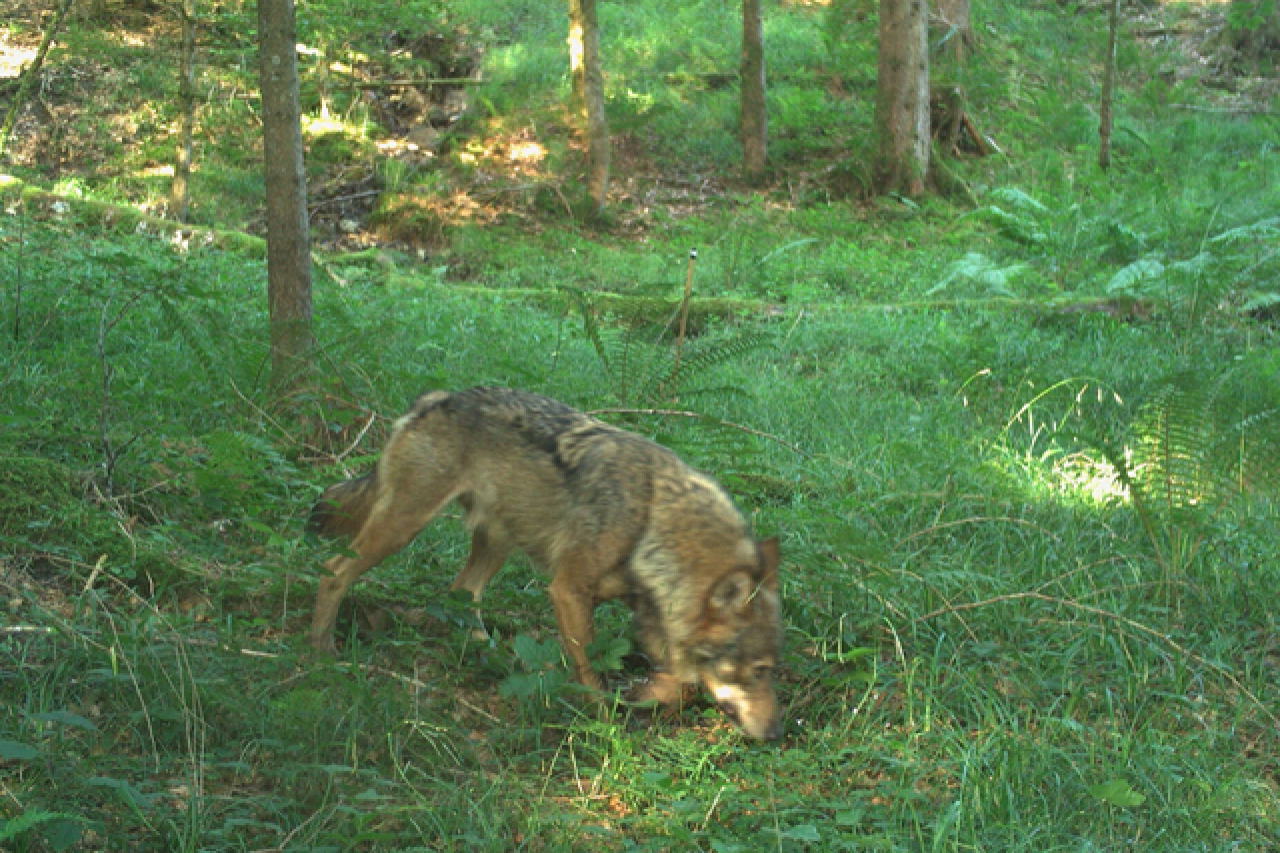
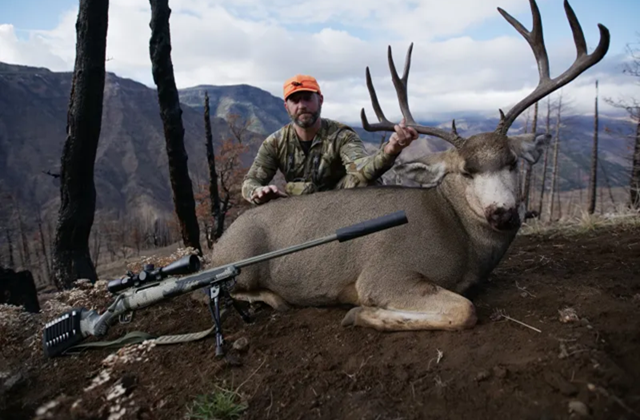
The ongoing debates about large predators – above all the wolf – are today driven less by facts than by emotions. The wolf is therefore the target of a smear campaign by, among others, irresponsible gun-toting hobby hunters.
Wolves are not teddy bears. They prey on wildlife, sheep, and goats when their keepers fail to protect them adequately. Wild boar, cows, and – if you’re unlucky – even ticks can also be dangerous to people. Caution is warranted, but panic is not. The real danger to people, animals, and nature still comes from the two-legged wolves.

Precise figures on unwanted encounters between humans and animals are hard to come by, but some may still recall reports from last year: at the Bernina Pass, a 55-year-old Italian was attacked by a mother cow and seriously injured on the head. Near Silvaplana GR, three women and their dog were attacked by a cow. All three had to be taken to hospital by the REGA air rescue service and an ambulance. At Bannalp NW, the summer of 2019 saw two incidents: in July, a dog was trampled to death by a herd of cows, and the dog’s owner sustained injuries. A month later, two hiking groups were attacked by a herd of cows; two people were moderately injured and had to be airlifted to hospital by REGA.
Stricter Action Against Sheep Farmers Demanded
In Switzerland, an estimated 270,000 roe deer, red deer, and chamois live today. Of these wild animals, 65,000 die each year through hunting, with thousands more killed in traffic. The picture is similar for livestock: with a population of 210,000 sheep in the summer grazing areas, wolves kill an average of 200 to 300 per year. By contrast, over 4,000 sheep die from disease, lightning strikes, and rockfalls. All remaining sheep end up in the slaughterhouse sooner rather than later —where is the sympathy from shepherds when confronted with the appalling images of their «beloved» animals suffering and being mistreated in the slaughterhouse? Insiders from shepherding and hunting circles also repeatedly report sheep being left behind on alpine pastures at the end of summer, either because it would be too costly to bring them back down to the valley, or because they have strayed into inaccessible terrain. The fact is: wolves kill only a fraction of the sheep that die on alpine pastures year after year.
If 20 wolf packs were to live in Switzerland — which would be easily feasible in terms of available habitat — approximately 5,300 ungulates would need to die to feed them. When habitat becomes too confined, wolves simply cross borders and seek out more suitable territory and/or reduce their reproduction.
The truth is that every summer, far more sheep die on alpine pastures from causes such as illness, accidents, or lightning strikes than are killed by predators.Federal agricultural law and animal protection law require farmers to ensure that only healthy animals are driven up to the alpine pastures, and that these animals are kept and managed on the alpine meadows in such a way that both the livestock and the pastures are protected from harm. Cantons are obliged to monitor the practices of animal keepers and alpine farm operators.
According to cantonal veterinarian Reto Wyss in the canton of Bern, the canton's veterinary service responds to animal welfare reports concerning sheep 50 to 60 times a year. Although wolf kills are a topic of similar frequency,no one is calling for stricter action against sheep farmers who violate the animal protection ordinance. Why is the subsidy shower of sheep overbreeding not the target of political engagement given strained finances and austerity efforts? With around 100 francs per year, every Swiss taxpayer (whether they want to or not, for ethical reasons) subsidizes a sheep destined for the butcher, amounting to 40 – 45 million francs per year.
The tourism industry could also soar to unimagined heights if tourists were once again able to see and photograph wildlife.
Sheep left unsupervised on alpine pastures often graze down the meadows — which are vital for wildlife — to great altitudes. This has also earned them a poor reputation among environmentalists. A shepherd can counteract this. If the sheep flock is driven to new grazing grounds in time, the plant diversity on the pastures is preserved.
The accompaniment of sheep flocks by shepherds and guard dogs has other advantages as well: it makes sheep flocks not only more environmentally friendly, but also safer. At lower altitudes, sheep flocks can also be threatened by stray dogs. An unguarded flock is a fully laid table for them, at which they can eat their fill without hindrance.
According to a study, the shift in the Swiss National Park from grazing by cattle and sheep to grazing by deer led to a completely new species composition of the vegetation and a doubling of biodiversity!
The media smear campaigns and character assassination against the wolf from the camp of supporters of the ill-conceived hunting law impede biodiversity and protective forests – thereby once again putting human lives at risk, which is neither progressive, healthy, nor safe.
Interest Group Wild beim Wild
The IG Wild beim Wild is a non-profit interest group dedicated to the sustainable and non-violent improvement of the human-animal relationship, with a specialization in the legal aspects of wildlife protection. One of our main concerns is to introduce a contemporary and serious wildlife management system in the cultural landscape, modeled on the Canton of Geneva — without hobby hunters, but with upright wildlife wardens who truly deserve the title and act according to a code of honor. The monopoly on the use of force belongs in the hands of the state. The IG supports scientific methods of immunocontraception for wildlife.