Zoos' species-conservation promise: what the release figures really show
Zoos market themselves with the species-conservation argument. Yet studies of reintroduction projects show: zoos provide animals for only a limited proportion of the species examined, and in one review, captive-bred predators had, on average, markedly lower survival chances than wild-caught, translocated animals.
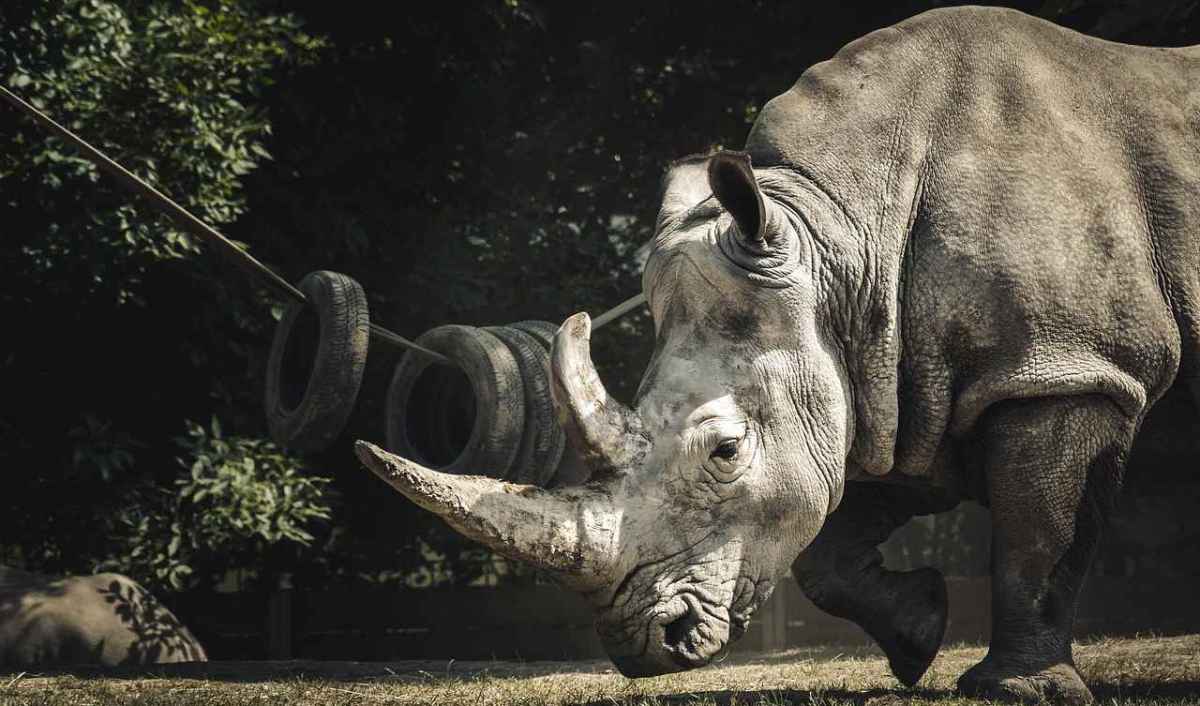
For decades, zoos have justified their existence with the species-conservation argument: those who keep animals in captivity, breed and study them are thereby making a contribution to the preservation of endangered species.
Two figures from the specialist literature paint a considerably more sober picture of how often this promise actually leads to a release, and how the few released animals fare afterwards.
How rarely zoos provide animals for releases
A study of all documented reintroduction projects in North America (Brichieri-Colombi et al., 2018, Conservation Biology) evaluated 1,863 specialist articles on 279 translocated animal species. The result: captive breeding was used at all for only 58 per cent of these species. Zoos provided animals for release in just 14 per cent of all species examined, and only in 25 per cent of those species that were bred in captivity for release at all. In total, 54 zoos were involved in releases, spread across 40 species. The study is limited to North America and to publications up to 2014, and it does not measure the individual proportion of all zoo animals that are ever released. It does show, however, that in the documented North American translocation literature, zoos provided animals for only a limited proportion of species. It is not a measure of the release record of individual zoos and cannot be applied directly to Europe or Switzerland.
How released carnivores survive
The second metric concerns the survival chances of carnivores that were actually released. A widely cited review (Jule, Leaver & Lea, 2008, Biological Conservation) evaluated 49 studies on predator reintroductions in Africa, Europe and North America between 1990 and 2006: 20 release projects involving 983 captive-born carnivores and 29 projects involving 1,169 wild-caught, relocated animals. The result: the survival rate of captive-born carnivores after release was 32 per cent, that of wild-caught, relocated animals 53 per cent. More than half of the deaths were attributable to human causes, such as traffic accidents or deliberate killings. Captive-born carnivores also starved more often and fell ill more frequently than their wild-born comparison groups.
The risks discussed by the study's authors show parallels to findings on human-raised orphaned grizzlies: a lack of experience in foraging and hunting, as well as low wariness of humans, can impair survival chances after release. How strongly these factors take effect, however, depends on the species, the rearing, the preparation and the release conditions. Co-author Kristen Jule summed it up at the time to National Geographic as follows: captive animals mostly lacked the natural behaviours needed to survive in the wild. The study is now more than 15 years old and refers to the release practices of that time. Newer individual programmes, for instance with the Iberian lynx, report better survival figures for captive-born animals under suitable conditions. Such advances, however, do not change the fact that comparative reviews have found carnivores to be at a disadvantage on average compared with wild-born or wild-caught animals.
Not every zoo, not every figure is the same
In fairness, it must be noted that these figures do not apply equally to every zoo and every programme. According to its own data, the European zoo association EAZA reports participation in over 260 reintroduction projects for 156 species, more than half of which are species classified as threatened or endangered (Southampton study, EAZA member survey). This survey shows that zoos are not merely spectators, while also emphasising contributions that go beyond simply providing animals: funding, personnel, expertise, equipment and coordination. Individual EAZA programmes, for instance with the bearded vulture (over 300 animals released into the wild since 1978) or the Eastern black rhinoceros in Rwanda, show documented successes. These flagship projects demonstrate that zoo-supported reintroductions can be effective under certain conditions. They do not, however, alter the findings of the North American translocation literature examined or the carnivore review, the scope of each of which is clearly limited.
What this means for zoos' self-image
The available literature does not show a blanket lack of success across all zoo releases. It does show, however, that in the reintroduction projects examined, zoos appear only to a limited extent as sources of animals, and that captive-born carnivores survived on average worse than wild-caught, relocated animals over the period studied. From these findings, IG Wild beim Wild draws a political conclusion: in their view, releases and individual protection programmes are not sufficient to legitimise the continued breeding, keeping and public display of exotic wild animals. In Justice for Zoo Animals, the organisation therefore calls for zoos to be converted in the long term into rescue centres that no longer buy, sell, lend or breed exotic wild animals for display, but instead take in and care for native wild animals in distress.
The findings point to risks that also arise with orphaned grizzlies and non-releasable rescue animals such as the foxes of SaveAFox can arise: intensive human proximity during rearing can make a later return to an independent life in the wild more difficult. A difference in communication remains, however: SaveAFox stated from the outset that its own foxes cannot be released into the wild. Anyone who promotes rewilding as a species-conservation argument should openly and transparently disclose how many kept animals actually become part of such programmes.
Further articles
- Zoos cause animals more harm than you may realise
- Justice for zoo animals
- Is it time to ban zoos?
- Finland: zoo wants to send giant pandas back to China over maintenance costs
- Keeping elephants in zoos must finally end!
- Killing of surplus animals – zoos fail at species conservation
LET'S STAY IN TOUCH!
We would love to send you the latest news and offers in our newsletter.
Support our work
With your donation you help to protect animals and give their voice a hearing.
Donate now →