Ireland: Thousands of Pregnant Dairy Cows Shipped to Algeria
More than 3,000 pregnant dairy cows have been transported from Ireland to Algeria since 2024. These animals are not only subjected to severe stress during transport due to their heightened vulnerability, but their welfare is also gravely at risk upon arrival.

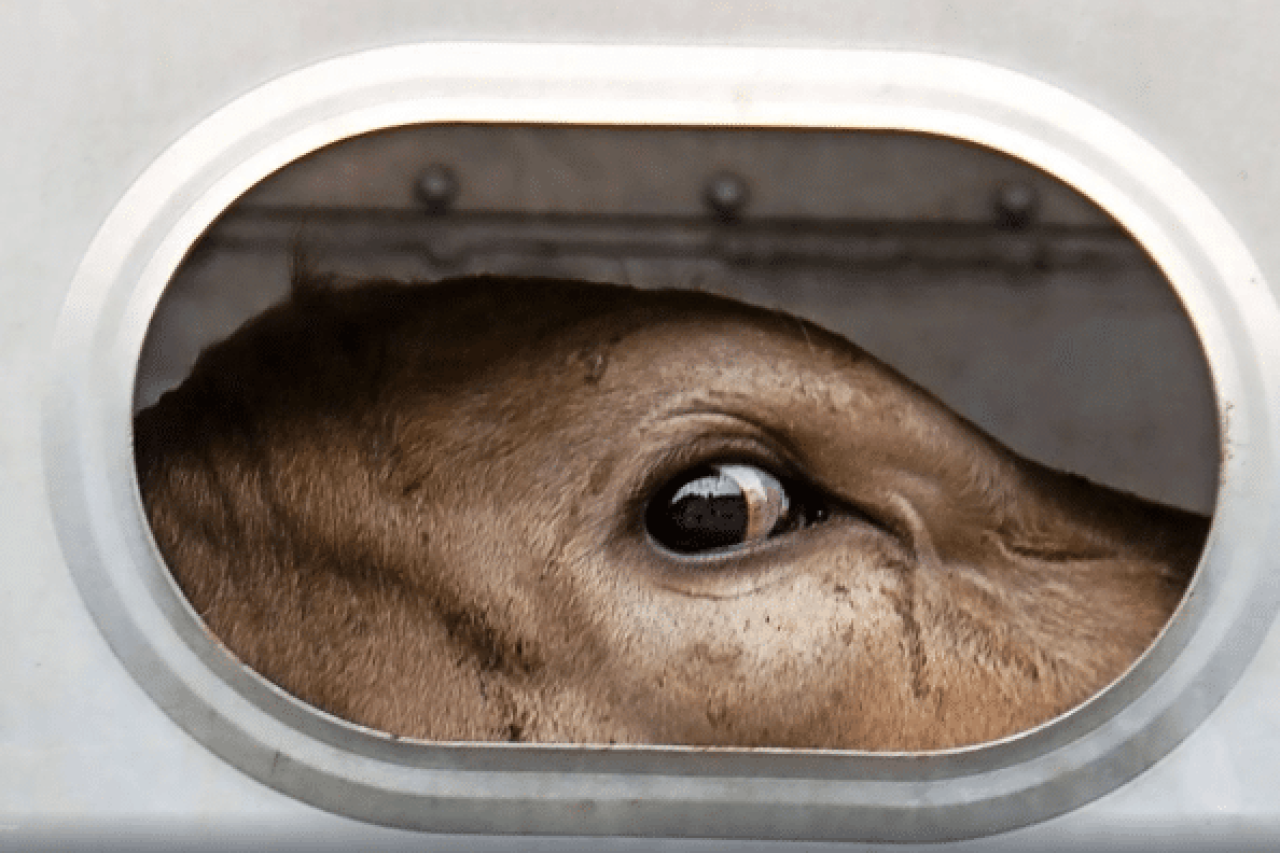
On 15 January, more than 2’000 pregnant Irish dairy cows were loaded onto the livestock transport vessel Shorthorn Express to be transported to Algeria, a country outside the EU with deplorable animal welfare standards.
This is the second shipment dispatched from Ireland to this country, following the transport of more than 1’000 pregnant dairy cows onto the vessel in January 2024.
Although the sea voyage from Ireland to Algeria is relatively short, reports obtained by Ethical Farming Ireland have shown that temperature and humidity on the vessels used can rise to high levels, and that cattle on board may suffer from leg injuries, respiratory diseases and diarrhoea. The risks are even greater for pregnant animals, which are particularly sensitive to the stressors of transport and may suffer miscarriages or premature births, as well as an elevated risk of dehydration and injury, metabolic diseases and more. An obvious animal welfare problem.
After the first shipment of pregnant dairy cows was dispatched in 2024, Ethical Farming Ireland filed an official complaint with Irish Agriculture Minister Charlie McConalogue, alerting him to the fact that these animals would certainly suffer and that certain elements of the transport were not in compliance with EU legislation. The vehicles used to transport the cows from the port were open trucks, which clearly violated Article 3(c) of Regulation (EC) No. 1/2005 on the protection of animals during transport.
It is disappointing that, despite these joint efforts, further pregnant animals were shipped on the same route this month, signalling a disregard for their welfare and underscoring the need for far stricter and enforceable transport regulations at EU level.
The welfare of pregnant animals is seriously at risk in Algeria
Aside from the cruelty inherent in transporting pregnant animals, the destination also bodes ill for their welfare. Algeria has no regulated animal welfare standards, particularly with regard to slaughter. World Animal Protection rates the country “G” in terms of the protection of farm animals, representing the lowest possible score.
Despite these concerns and last year's joint letter, exporter Cows.ie has expressed its intention to dispatch further shipments to Algeria in the near future. This intention suggests that countless pregnant dairy cows could be subjected to these transports, at the end of which lies unimaginable suffering.
«Ireland has reached a new low by sending pregnant dairy cows on long sea voyages to a country with miserable animal welfare standards. Not only does the sea voyage expose the animals to an unnecessary risk of disease and injury, including the risk of the calf being aborted, they are also being sent to a country with water scarcity, where they must endure a hot, dusty feedlot far removed from the green fields of Ireland. Once these animals leave our shores, they are no longer protected, and the authorities do not know what becomes of them or where they ultimately end up. I fear the fate of the unborn calves may be even worse.» Caroline Rowley, Director, Ethical Farming Ireland
What steps can be taken at EU level?
The EU must develop stricter transport regulations that are strictly enforced and ensure that all transport operators are held accountable for the conditions to which they subject the animals. Violations must be taken seriously, and exporters who fail to comply with EU transport regulations should no longer be permitted to operate on their routes.
Furthermore, it is clear that more detailed measures are required for vulnerable animals during transport, such as pregnant and very young animals, which should only be transported under special circumstances, with all measures taken to meet their increased animal welfare requirements .
While EU regulations can protect the welfare of transported animals within EU borders, they do not apply outside those borders, which means that millions of animals could still suffer severe hardship when transported outside the EU.
«This is another example of how vulnerable animals, such as pregnant dairy cows, are exposed to unacceptable risks during transport to third countries with poor animal welfare standards. On these long sea voyages they are subjected to severe stress, injuries and health problems, and once they leave the EU there is no guarantee for their welfare. We urgently need stricter EU legislation that prioritises animal welfare, ensures enforceable rules and puts an end to the export of live animals to countries where their suffering is inevitable.» Susanne Blattner, Programme Officer for Farm Animal Slaughter and Transport, Eurogroup for Animals
| You can help all animals and our planet with compassion. Choose compassion on your plate and in your glass. Go vegan. |
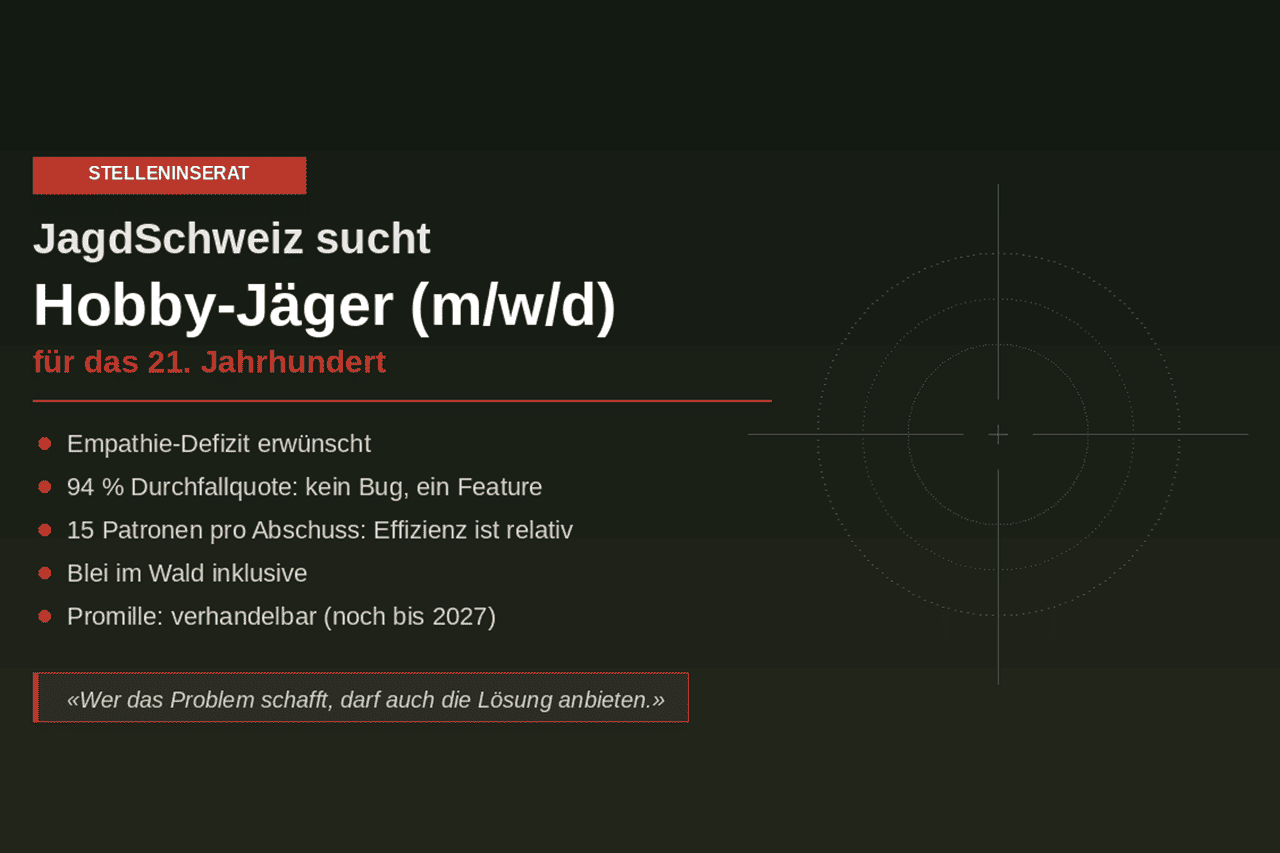
More on the subject of recreational hunting: In our dossiers on the criticism of recreational hunting gather fact-checks, analyses and background reports. What the research says about this is shown by Hunting fact-checked: the state of research.
The position of IG Wild beim Wild: IG Wild beim Wild rejects recreational hunting. Our model is the canton of Geneva, which has managed without recreational hunting since 1974: without hunting seasons, without hunting dogs, without driven hunts, without high seats, without the animal cruelty and crime that go hand in hand with hunting season elsewhere. What has worked there for over fifty years disproves every position paper by JagdSchweiz. An association that bases its policy on claims it refutes in its own documents is not a professional organisation, but a factory for misinformation.