WWF: Maximum one entrecôte every two weeks
The WWF is launching the platform «Planet Based Diets». It shows how food choices affect the climate and biodiversity in 147 countries.

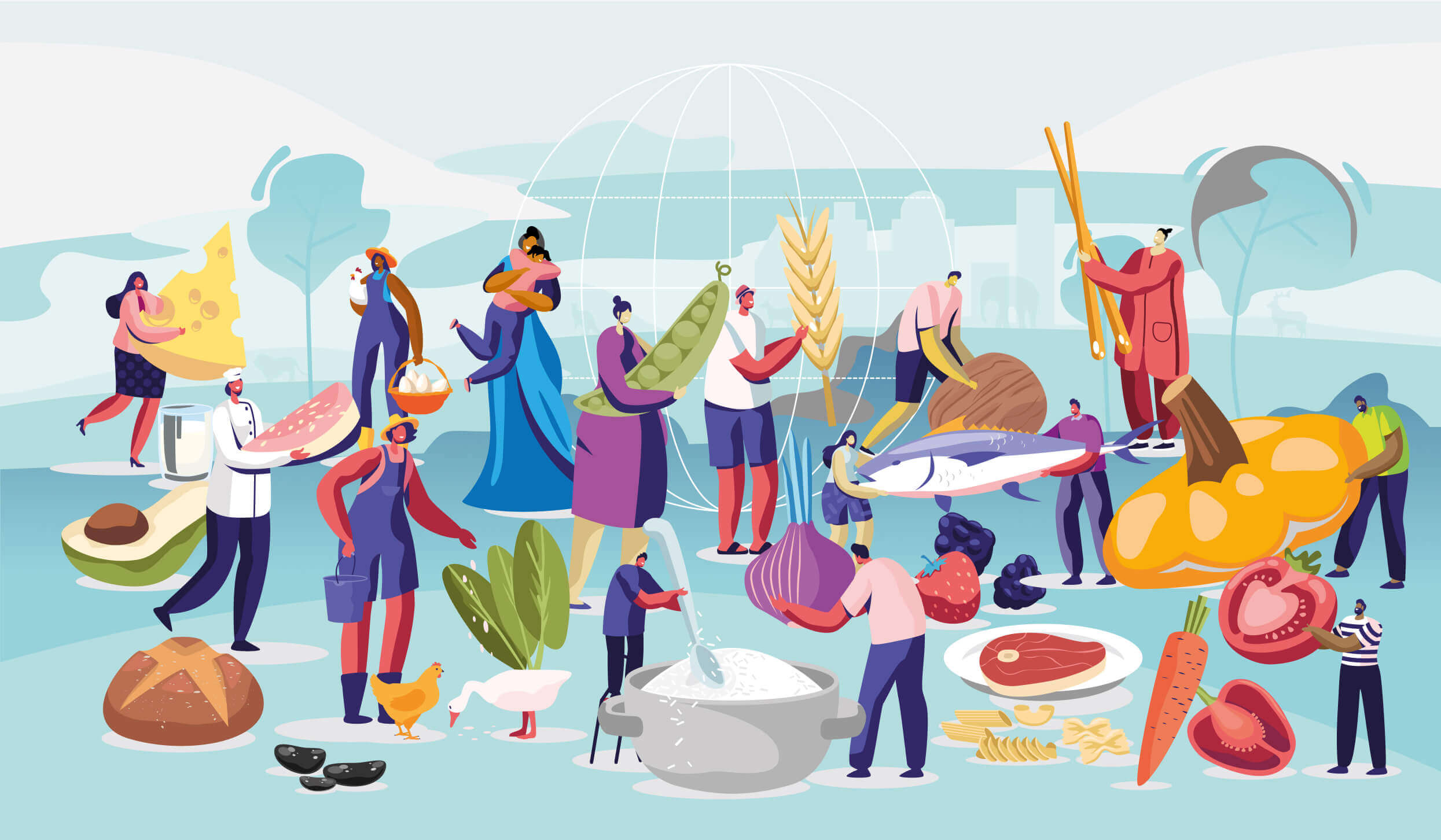
The climate crisis and the destruction of nature are largely driven by our food system. The WWF is therefore launching the international platform «Planet Based Diets». The platform shows how food choices can help ensure a healthy planet and healthy nutrition for people. Measures and recommendations are defined for 147 countries.
Planet based diet – or planet-compatible diet in English – means that the production, processing and consumption of food moves within planetary boundaries. The platform «Planet Based Diets» provides data for 147 countries, encompassing policy recommendations and a collection of measures for transforming the food system.
Every individual can contribute to a healthy planet through their dietary choices. At the same time, it is the responsibility of business and politics to promote and support such behaviour. Taxpayer-funded meat advertising, for example, has no place in our time.
Daniela Hoffmann, Senior Manager Sustainable Markets at WWF Switzerland
For Switzerland, this means, for example, limiting current meat consumption to a maximum of 14 grams of red meat per day – that is, no more than one entrecôte every two weeks. And at least two-thirds of currently consumed dairy products must be foregone.
Our dietary habits are the primary cause of biodiversity loss. Over the past roughly 50 years, the wildlife populations examined in the Living Planet Report have declined by 68 percent. Food production is responsible for 70 percent of biodiversity loss on land and 50 percent in freshwater.
We need to change the way we produce and consume food in order to enable a healthy and sustainable future for all people.
Daniela Hoffmann, Senior Manager Sustainable Markets at WWF Switzerland
A planet-compatible diet is a win-win situation for both the planet and humanity. It could reduce greenhouse gas emissions worldwide by at least 30 percent, wildlife loss by at least 46 percent, agricultural land use by at least 40 percent, and premature deaths by at least 20 percent.
For Switzerland
Less meat, fewer dairy products is the recommendation for Switzerland. By changing our behaviour in this way, we enable our agriculture to focus on grassland-based milk and meat production in Switzerland's grasslands. We would meet most of our protein needs through the consumption of legumes (beans, lentils), nuts, and other plant seeds. Such a flexitarian diet would be planet-compatible.Those who want to be particularly healthy and climate-friendly eat vegetarian, or forgo all animal products and live vegan.
The resultsfor Switzerland show above all: it is possible for the Swiss population to make a statement for the environment every day through their food choices. Businesses and policymakers can help make these decisions easier and set the course for the future. For example, by expanding the range of plant-based foods, ensuring that dietary recommendations reflect the findings on planetary carrying capacity, or enabling agricultural direct payments to support future-oriented production in Switzerland.
In Switzerland, we need more plant-based nutrition in order to become planet-compatible.
Daniela Hoffmann, Senior Manager Sustainable Markets at WWF Switzerland
Against the backdrop of the ongoing pandemic, it has become more important than ever to eat more healthily and thoughtfully. The main causes of newly emerging infectious diseases such as COVID-19 are the unsustainable conversion of land for agriculture, intensive livestock farming, and the illegal trade in wild animals, which are often intended for consumption. We must therefore change the way we produce and consume food in order to enable a healthy and sustainable future for all.
The report “Bending the Curve: The Restorative Power of Planet-Based Diets» shows policymakers the impact our diet has on health and the environment. And that a planet-compatible diet leads to a more stable climate, less biodiversity loss, and a longer and healthier life for us humans.
More on the subject of recreational hunting: In our dossiers on recreational hunting gather fact-checks, analyses and background reports. The scientific evidence is presented in the overview Studies on the Effects of Recreational Hunting.
The position of IG Wild beim Wild: IG Wild beim Wild rejects recreational hunting. Our model is the canton of Geneva, which has managed without recreational hunting since 1974: without hunting seasons, without hunting dogs, without driven hunts, without high seats, without the animal cruelty and crime that go hand in hand with hunting season elsewhere. What has worked there for over fifty years disproves every position paper by JagdSchweiz. An association that bases its policy on claims it refutes in its own documents is not a professional organisation, but a factory for misinformation.