Insects: A Misleading Path to Sustainable Food Systems
Insects as feed do not lead to sustainable food systems, a government-funded study shows.

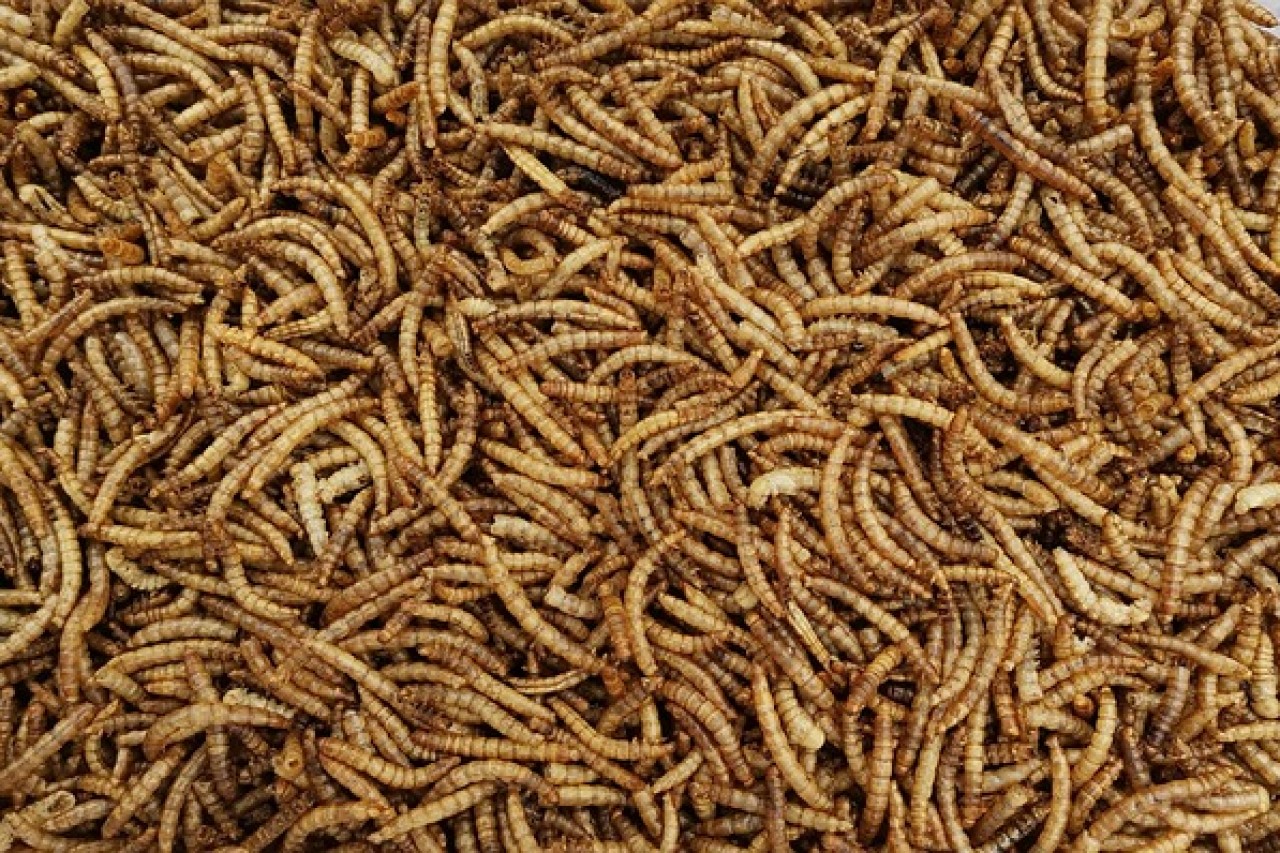
A new study commissioned by the UK Department for Environment, Food and Rural Affairs concludes that insect proteins are far more environmentally harmful than the animal feed ingredients they are intended to replace, and that insects are not the current solution for decarbonising the feed industry.
As insect farming increases across Europe, the British government is considering approving insects for use in pig and poultry feed, and commissioned Ricardo Sustainability, Clean Energy and Environment to conduct a life cycle assessment to determine the sustainability of insect proteins as feed ingredients.
Insect protein increases the environmental impact of livestock farming
The Ricardo study found that insect proteins influence climate change 13.5 times more than soy and 4.2 times more than fishmeal, owing primarily to the high energy requirements and the use of high-quality grains and vegetables to feed the insects. Even insects fed on food waste — a frequently cited argument to justify insect farming — would still have greater environmental impacts than soy and fishmeal.
Compared to conventional alternatives, insect protein requires more resources and more land and offers no sustainability advantages. For insects fed on conventional feed, which is standard practice in the industry, soy is preferable in 15 out of 16 impact categories examined in the study.
The study does not identify a clear path for insect proteins to achieve a better sustainability profile, and some of the benefits cited by proponents of insect farming (in particular the use of insect by-products as fertiliser) are considered unrealistic or insufficiently researched. The study concludes that insects are “not the current solution for decarbonising the animal feed industry.”
Insect farming: a six-legged problem
As a feed industry, insect farming not only exacerbates the already significant impacts of livestock farming, but also supports intensive agricultural practices that have serious negative consequences for animal welfare and human health.
As a six-legged problem, insect farming also has the potential to compromise food security, animal welfare and ecosystems through the release of farmed insects into the environment. The Ricardo study itself calls for further research to understand the broader environmental impacts, primarily the loss of biodiversity.
It is urgently necessary for policymakers in the United Kingdom and the European Union to support the transition to sustainable food systems and to move away from false solutions such as insect farming.
More on the subject of recreational hunting: The scientific evidence is presented in the overview Studies on the Effects of Recreational Hunting.
The position of IG Wild beim Wild: IG Wild beim Wild rejects recreational hunting. Our model is the canton of Geneva, which has managed without recreational hunting since 1974: without hunting seasons, without hunting dogs, without driven hunts, without high seats, without the animal cruelty and crime that go hand in hand with hunting season elsewhere. What has worked there for over fifty years disproves every position paper by JagdSchweiz. An association that bases its policy on claims it refutes in its own documents is not a professional organisation, but a factory for misinformation.