Recreational hunting praised – wolf ignored
The Office for Hunting and Nonsense Graubünden published a press release on 3 July that is causing debate. In it, hunters are celebrated for the decline in red deer and roe deer populations – after more than 30 years in which wildlife regulation only partially succeeded.

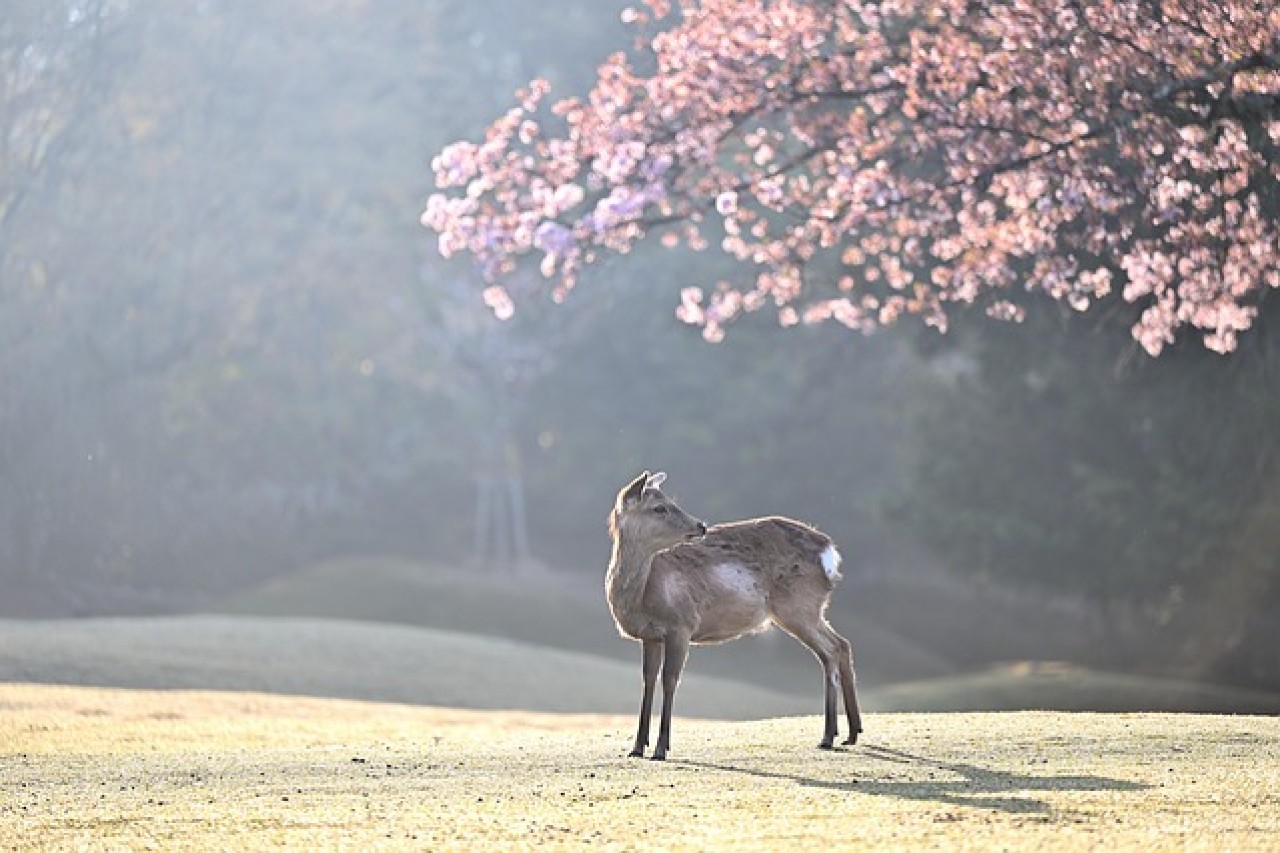
The Office for Hunting and Nonsense Graubünden is celebrating itself and the hunting community: after decades of modest success, red deer and roe deer populations are finally declining.
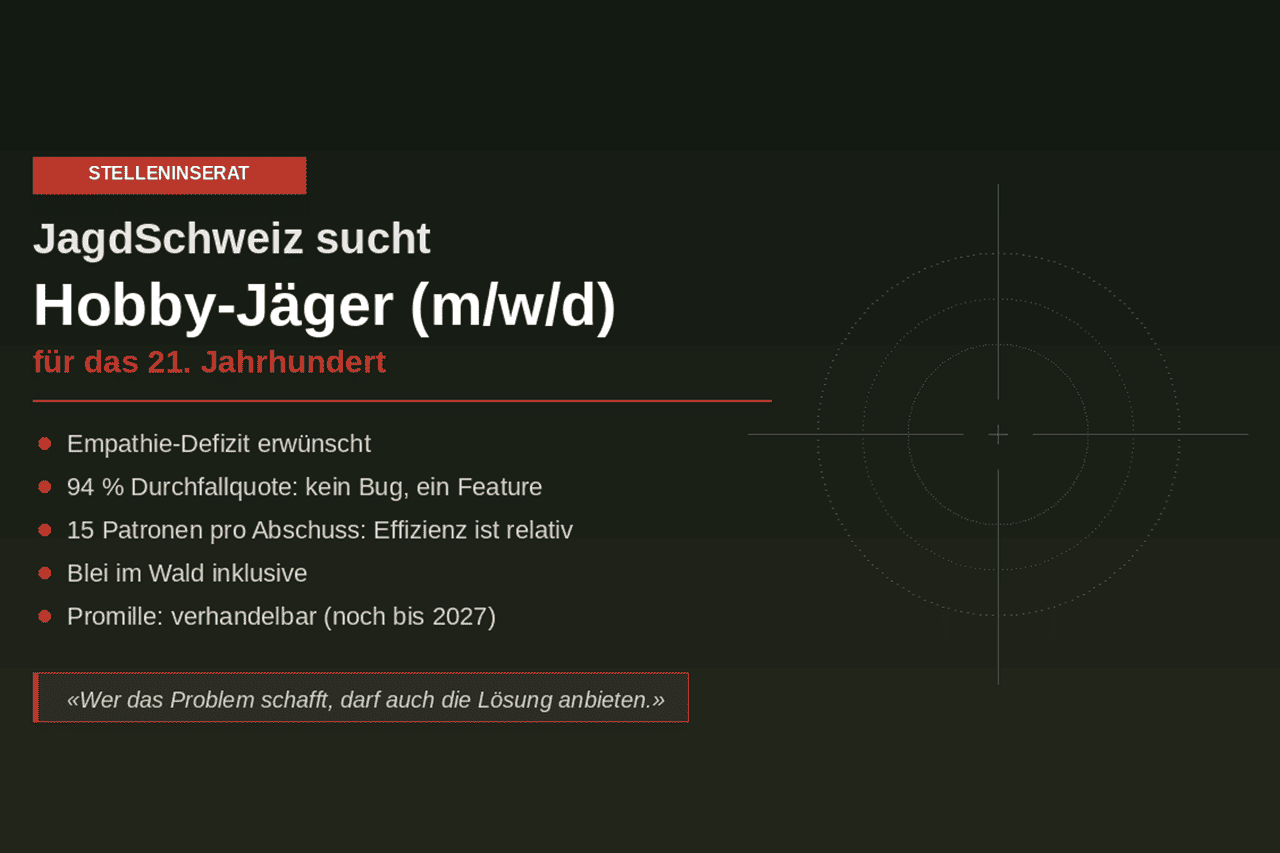
640 fewer red deer, and roe deer numbers also retreating – a “merit of the hunters hunters”, according to the press release of 3 July by recreational hunter Adrian Arquint. What goes unmentioned: without the wolf and the lynx, the figures would likely look very different.
A decline in roe deer numbers has also been observed. The role of the wolf, which has demonstrably reduced red deer offspring in the affected areas and preys on calves, receives no mention whatsoever.
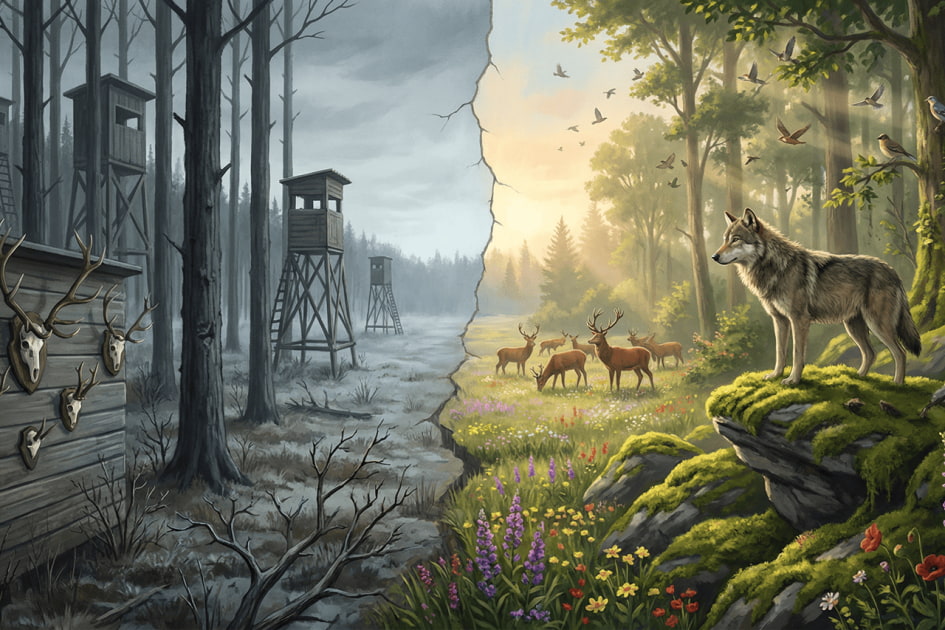
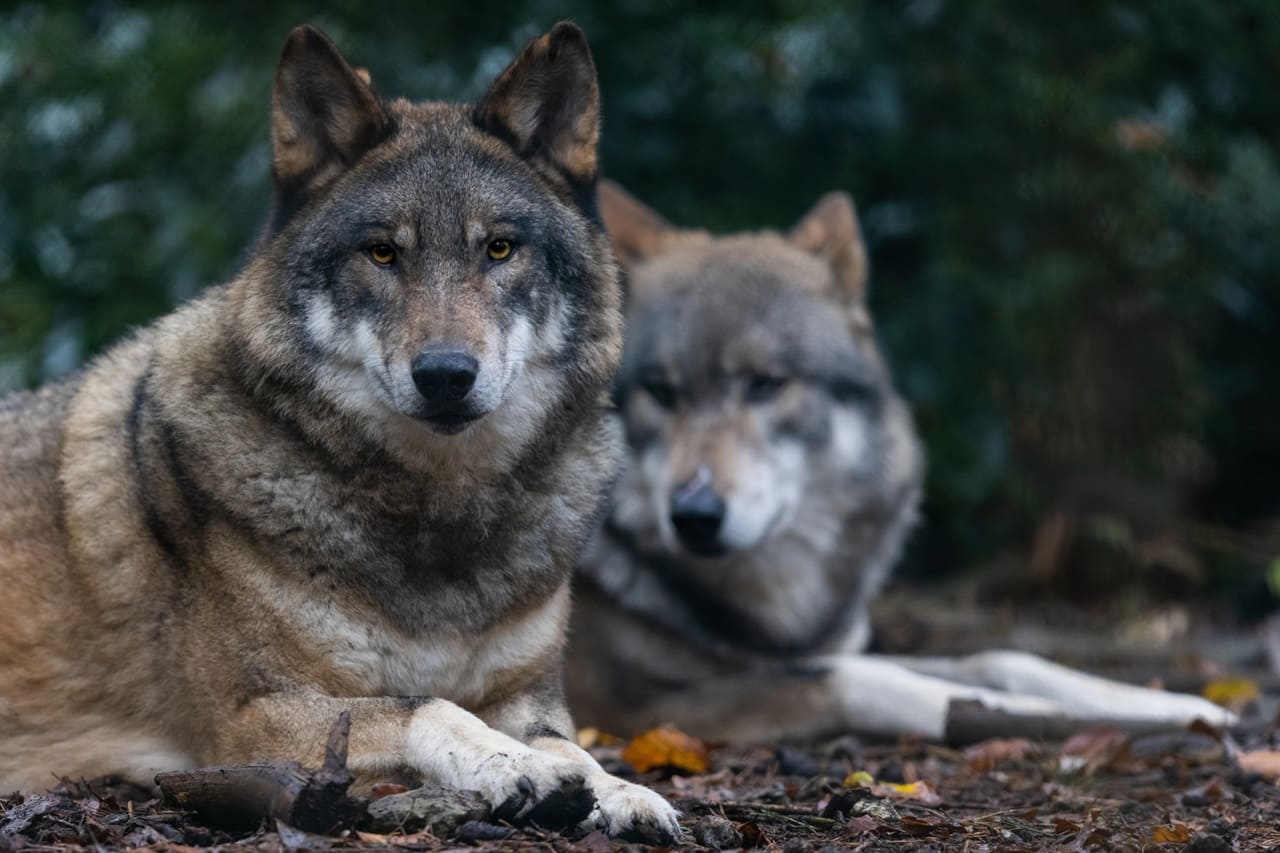
It has been scientifically undisputed for years that not only the wolf acts as a natural regulator. It reduces red deer offspring, kills calves and forces wildlife to alter their movement patterns – with positive effects on forests and biodiversity. This is precisely what the Office itself writes in its brochure Jagdbetriebsvorschriften 2025. Yet in the official press release, the wolf does not appear. Omitting it from public communications is not only professionally questionable but also purely politically motivated, Wildtierschutz Schweiz criticises.
This is no coincidence. The wolf is polarising, and rather than presenting it as part of the solution, it is publicly downplayed. Hunting is thus cast as the sole hero of a story that is in reality far more complex.
Contradictions in the Office's own documents
Particularly striking: while the brochure Jagdbetriebsvorschriften 2025 of the Office describes the impact of wolf packs in detail, the wolf plays no role in the official press release. Instead,hunting is portrayed as the sole guarantor of successful population management.
A look at the hunting statistics paints a different picture: Between 1999 and 2019, deer populations continuously increased despite regular and special hunts. Only with the return of the wolf and parallel improvements in herd protection measures have declining numbers become apparent.
Violence and lies are two sides of the same coin. And in Graubünden, this is systematic. Hunting is not wildlife management — genocide is not humanitarian aid either.
Demand for Transparency
For Wildtierschutz Schweiz it is clear: An honest forest-wildlife policy can no longer remain silent about the wolf. “The wolf contributes significantly to population regulation and forest protection. Anyone who ignores the wolf is engaging in deception,” states a position paper.
The organisation demands fact-based communication from the authority that fully reflects reality — even when that reality is politically inconvenient.
The fact that a public authority of all bodies downplays the wolf in public, while internally acknowledging its impact, is not only professionally questionable but also undermines public trust in official communications.
Recreational hunting may make a contribution, but the decisive actor behind recent developments is the wolf. To remain silent about it is not only unfair, but simply unprofessional. Anyone who informs the public in such a one-sided manner is engaging in politics, not public education.
Under federal law, no canton in Switzerland is required to permit hunting. It is the right of cantons to decide whether hunting is permitted or not. If a canton decides against hunting — or even only partially against it — it is free to do so under the Federal Constitution. The Canton of Geneva has long since chosen this exemplary path, according to a spokesperson for IG Wild beim Wild.
Further Articles
- Swiss meadows are losing biodiversity at an alarming rate
- When sheep, cattle and others occupy wildlife habitat
- Swiss animal protection organisation criticises planned wolf culls as a threat to pack structures and herd protection
- Wolf management incompetence runs rampant in Graubünden
- Val Fex: When the herd protection concept has more holes than the fence
- Shooting instead of protection — Switzerland on the path to silent wolf extermination
- Communication failures at the Office for Hunting and Fishing Graubünden
- Illegal wolf hunting in Switzerland
- Wolf cubs in Switzerland caught in the crossfire
- Switzerland sells wolf massacre as a success
- Negligence in the office of Katrin Schneeberger
- Grazing by livestock alters soil, plant and insect populations
- The insane hunt for wolves in Switzerland
- The truth about sheep mortality in Switzerland: causes and statistics
- Wolf culls in Switzerland: concerns about party politician Albert Rösti
- Let's stop the SVP's destructive rage
- Participatory campaign: An appeal for change in Switzerland
- 200 environmental organizations from 6 continents call on the Swiss government: Stop the wolf cull
- Federal Councillor faces strong criticism from wolf experts
- The consequences of controversial wolf management in Switzerland
- Wolf: Federal Councillor Rösti (SVP) circumvents law and order
- Es Burebüebli mahn i nit
- Are BAFU and the hunting authorities still operating responsibly?
- Federal Councillor Albert Rösti tramples the will of the people
- The consequences of controversial wolf management in Switzerland
- Too many sheep harm biodiversity
- Agricultural use destroys alpine meadows
- Kills despite herd protection — how is that possible?
- The rotten apple in the St. Gallen hunting administration
- Pro Natura calls for a comprehensive strategy for summer sheep grazing
- According to the Agridea study, herd protection with dogs works well
- Thanks to herd protection, wolves kill fewer livestock in Switzerland
- Farmers treat fields as disposal sites
- Biomass of wildlife
- On sheep farmers and vague authorities
- The double standards of wolf opponents
More on the subject of recreational hunting: In the dossier The Role and Criticism of Recreational Hunters we shed light on the training, power and self-image of recreational hunters. The scientific evidence is presented in the overview Studies on the Effects of Recreational Hunting.
The position of IG Wild beim Wild: IG Wild beim Wild rejects recreational hunting. Our model is the canton of Geneva, which has managed without recreational hunting since 1974: without hunting seasons, without hunting dogs, without driven hunts, without high seats, without the animal cruelty and crime that go hand in hand with hunting season elsewhere. What has worked there for over fifty years disproves every position paper by JagdSchweiz. An association that bases its policy on claims it refutes in its own documents is not a professional organisation, but a factory for misinformation.