Cashew allergies in young children are rising sharply
Nuts cause approximately one quarter of all food allergies. In children, cashew nuts in particular are increasingly triggering severe reactions — likely because they are being used more and more frequently in food products.

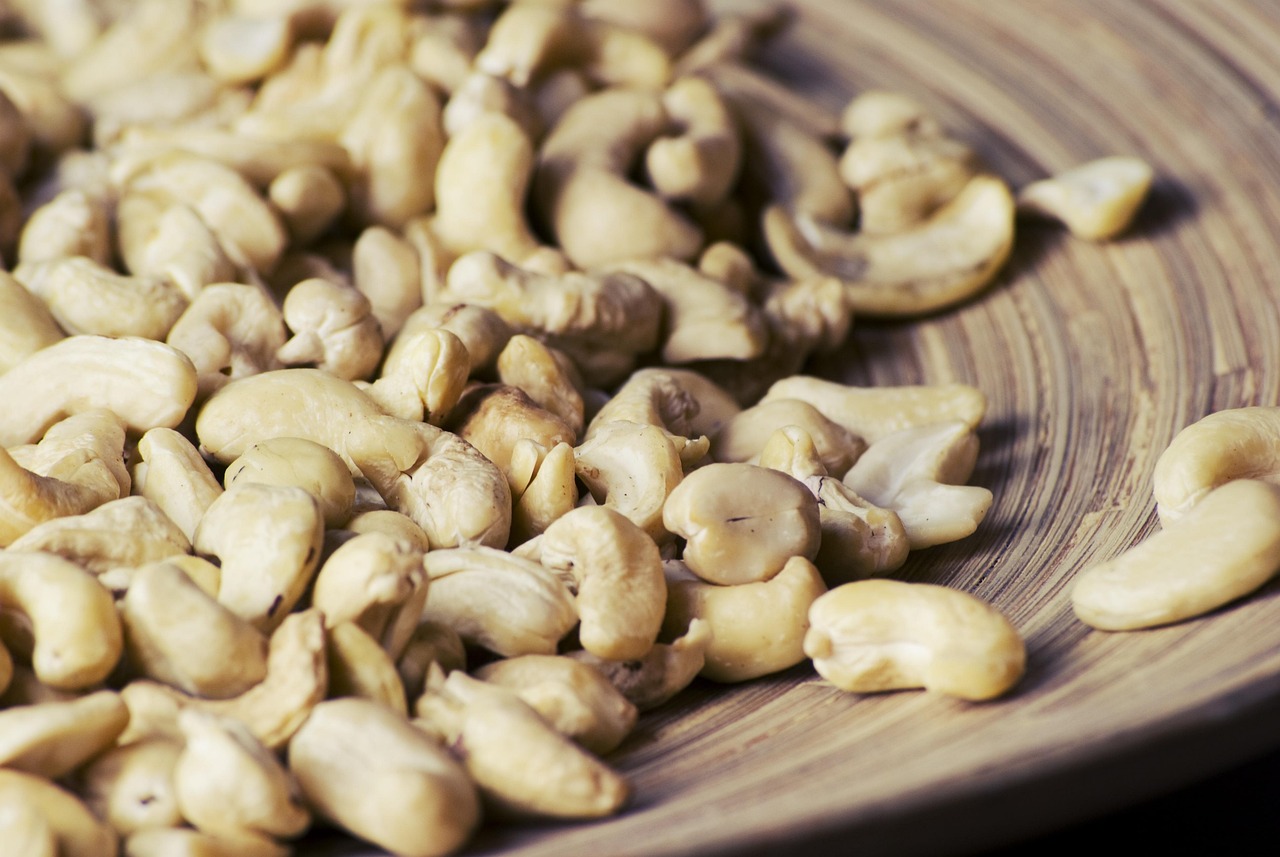
Whether as a salty snack or hidden in gluten-free flour and vegan milk: the cashew nut, originally from Brazil, is very much on trend.
It is rich in protein, but contains less fat and fewer calories compared to other nuts. Incidentally, cashews are not actually nuts at all, but rather the kernels of a fruit.
Their growing popularity is also reflected in a study on nut allergies just published. The analysis of the European Anaphylaxis Registry revealed a striking increase in severe allergic reactions to cashew nuts among young children.
142 allergy centres from various countries regularly report their anaphylaxis cases to the registry. These are severe reactions of the immune system to specific triggers such as food, medication or insect venom. They can lead to rashes, swelling and difficulty breathing, up to and including anaphylactic shock, in which the entire cardiovascular system can potentially fail. In isolated cases, this proves fatal.
Skin contact may be sufficient
An international research team has now analysed all registered instances of food-triggered anaphylaxis between 2007 and 2024. It emerged that of nearly 6,000 cases, just under one quarter were triggered by tree nuts. These include walnuts, almonds and hazelnuts, among others — but not peanuts, which grow underground yet are also frequently associated with severe anaphylaxis in children.
About the study Also involved was Karin Hartmann, who is funded by the SNSF for her research on allergic diseases. Hartmann is Head of Allergology and Deputy Chief Physician of Dermatology at the University Hospital Basel. She also leads research groups at the Department of Clinical Research and the Department of Biomedicine at the University of Basel.
Researchers from the European Anaphylaxis Registry examined approximately 1,000 well-documented cases of nut allergies in greater detail. «The registry allows us to collect a large number of cases even for less common allergies. This gives us sufficient data to examine subgroups such as adults and children separately», said Hartmann.
The most surprising result: in most children under five years of age, cashew nuts were responsible for the anaphylactic reaction in over forty percent of cases. Every third child among them reacted to amounts of less than one teaspoon of cashew nuts. In a handful of cases, even skin contact or inhalation was sufficient.
Cashew overtakes native nuts
Until now, studies on severe allergic reactions to tree nuts had focused on native species such as hazelnuts or walnuts. These now rank second and third among children. The rise in cashew nut allergies is most likely due to increased consumption in recent decades. Cashew nuts are often used in hidden ways, for example in products such as pesto, or are also deliberately used as a vegan protein source.
«As a result, far more children are probably coming into contact with cashew nuts at an early age compared to the past», said Hartmann. The trigger for the allergy, as with many nut allergies, is a storage protein contained in large quantities.
Previous studies confirm that the immune systems of children react particularly severely to this protein found in cashew nuts. Anaphylaxis even occurs more frequently than with a peanut allergy. And even smaller amounts than with peanuts can trigger an episode.
Among adults, however, allergies to cashew nuts played hardly any role in the cases documented by the Anaphylaxis Registry. The mature immune system is evidently less susceptible to it. The most common triggers here were hazelnuts, in over forty percent of cases, followed by walnuts and almonds.
Making adrenaline injectors more accessible
However, no one should keep children away from cashew nuts from the outset out of fear of an anaphylactic reaction, according to Hartmann. «From a nutritional medicine perspective, nuts are a valuable and nutrient-rich food.» Less than one percent of the European population develops an allergy to tree nuts. And only a fraction experience severe reactions such as anaphylaxis.
If a nut allergy is suspected, Hartmann recommends seeking medical clarification. Specialists can determine which type and quantity of nuts trigger a reaction and provide personalised advice on how to manage it. It is not recommended that parents attempt to draw up a dietary plan for their children without medical consultation. This could lead to nutritional deficiencies. In severe cases, immunotherapy is sometimes also an option. In this process, the body is gradually accustomed, under supervision, to ever-increasing doses of the allergy-triggering protein.
If an anaphylactic shock does occur, the fastest possible use of pre-filled adrenaline syringes is helpful. Here, the study results point to room for improvement: fewer than half of the individuals who already had a prescription for them actually used them in an emergency. The study was unable to determine the reasons for this – but perhaps a contributing factor is the fear among medical laypersons of administering an injection to themselves or others.
However, a remedy for this may soon be at hand. According to Hartmann, an adrenaline nasal spray is coming to market shortly, which studies show to be comparably effective. This could lower the threshold for its use – and would take even more of the terror out of nut allergies.
More on the subject of recreational hunting: The scientific evidence is presented in the overview Studies on the Effects of Recreational Hunting.
The position of IG Wild beim Wild: IG Wild beim Wild rejects recreational hunting. Our model is the canton of Geneva, which has managed without recreational hunting since 1974: without hunting seasons, without hunting dogs, without driven hunts, without high seats, without the animal cruelty and crime that go hand in hand with hunting season elsewhere. What has worked there for over fifty years disproves every position paper by JagdSchweiz. An association that bases its policy on claims it refutes in its own documents is not a professional organisation, but a factory for misinformation.