Bovine tuberculosis: Swiss deer are free
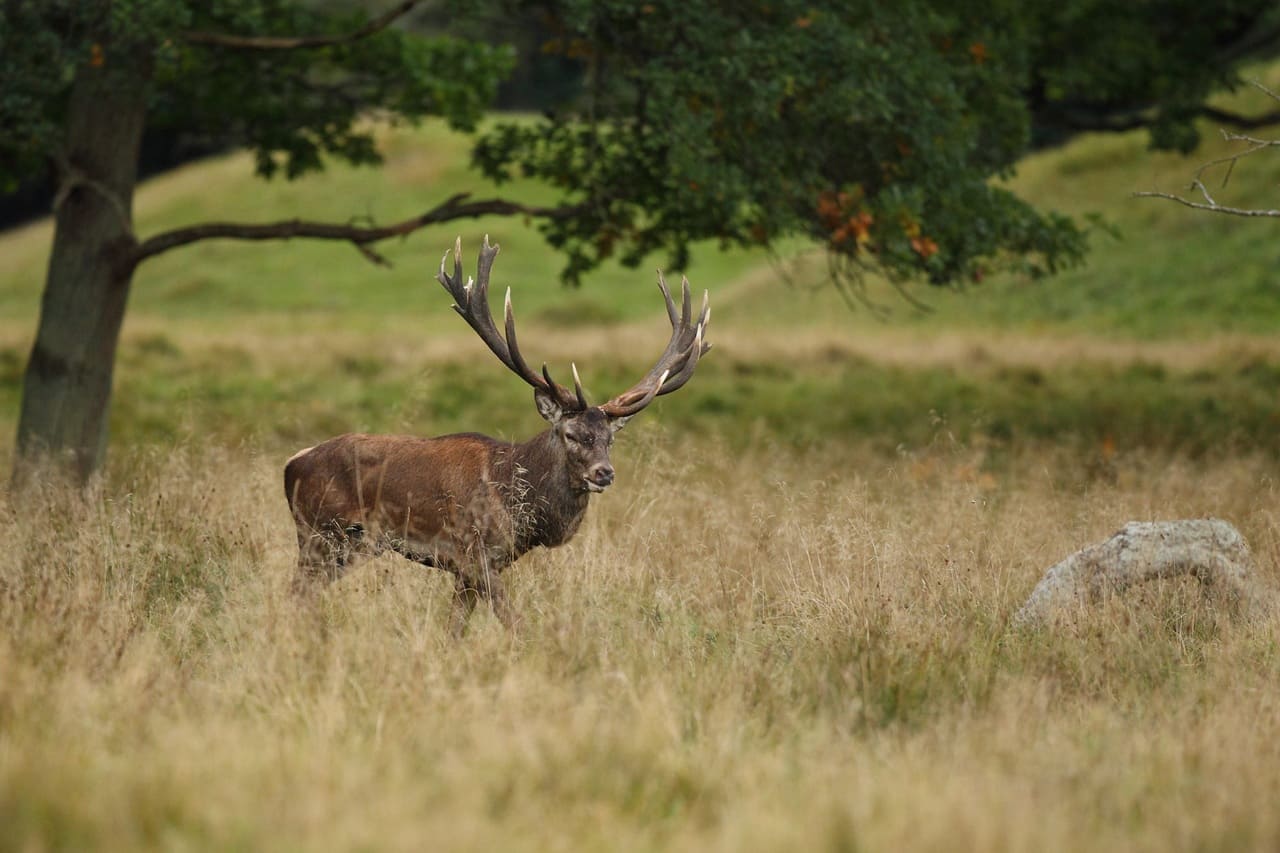
Red deer in Switzerland and the Principality of Liechtenstein are free from the contagious disease bovine tuberculosis. According to a study, the preventive measures taken so far have proven effective. That the safety precautions against bovine tuberculosis are working is revealed by a new study commissioned by the Federal Food Safety and Veterinary Office (FSVO), the Canton of Graubünden, and the Principality of Liechtenstein.

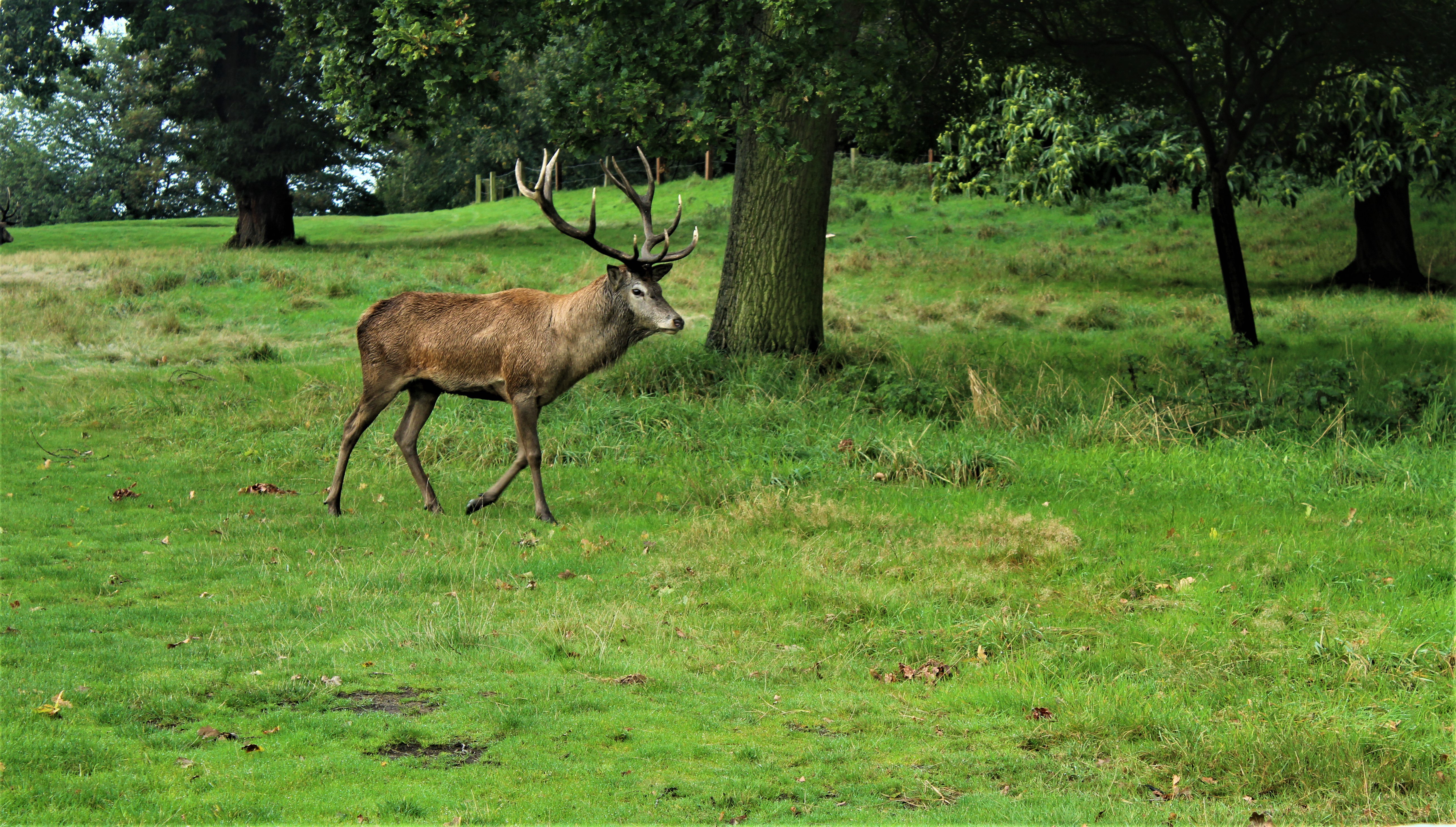
Red deer in Switzerland and the Principality of Liechtenstein are free from the contagious disease bovine tuberculosis.
According to a study, the preventive measures taken so far have proven effective.
That the safety precautions against bovine tuberculosis are working is revealed by a new study commissioned by the Federal Food Safety and Veterinary Office (FSVO), the Canton of Graubünden, and the Principality of Liechtenstein. The regulation of red deer populations, a ban on supplementary feeding, and biosecurity measures for livestock remain central, the FSVO announced.
Risk to humans and animals from bovine tuberculosis
Bovine tuberculosis in red deer has been a topic for years in the Austrian federal states of Vorarlberg and Tyrol. The pathogen found in wildlife in Vorarlberg poses a risk to humans and animals, it was said. Isolated cases of infection in cattle have occurred there.
Tuberculosis is a chronic, bacterial infectious disease that affects both humans and animals. For years, the pathogen Mycobacterium caprae has been detected in red deer in the Alpine region along the border between Germany and Austria.
The disease in animals
In cattle, the time between infection and the appearance of the first signs of disease can range from months to years. In a late stage of the disease, tuberculosis in cattle manifests as a chronic wasting condition with enlarged lymph nodes, fever episodes, decreased milk production, and weight loss. However, these symptoms can also occur with other diseases. Without laboratory testing, a definitive diagnosis of bovine tuberculosis cannot be made.
Wild animals (especially red deer, wild boar, and badgers) can serve as so-called «reservoirs» for tuberculosis pathogens. This means the disease can persist undetected in free-living populations over long periods, repeatedly leading to infections in cattle. Transmission of tuberculosis pathogens between wild animals and cattle is possible in both directions, either through direct animal contact or via contaminated water or feed.
What to do?
Combating bovine tuberculosis is a lengthy process. The disease often goes undetected for a long time and cannot be immediately and definitively diagnosed in living animals.
Tuberculosis is a notifiable animal disease that must be eradicated. Anyone who keeps or cares for animals is required to report suspected cases to the herd veterinarian.
Meat inspections at slaughterhouses are critically important for monitoring tuberculosis. These inspections are regulated by law and carried out by cantonal enforcement authorities. The meat inspector takes samples from animals showing suspicious signs of tuberculosis and has them examined in a laboratory.
The spread of bovine tuberculosis in wild animals in the Alpine region is also being increasingly monitored. Under animal disease legislation, hunters, game wardens, and wildlife rangers are required to report suspicious changes in wild animals that indicate tuberculosis to an official veterinarian.
More on the subject of recreational hunting: In our dossiers on recreational hunting gather fact-checks, analyses and background reports. What the research says about this is shown by Hunting fact-checked: the state of research.
The position of IG Wild beim Wild: IG Wild beim Wild rejects recreational hunting. Our model is the canton of Geneva, which has managed without recreational hunting since 1974: without hunting seasons, without hunting dogs, without driven hunts, without high seats, without the animal cruelty and crime that go hand in hand with hunting season elsewhere. What has worked there for over fifty years disproves every position paper by JagdSchweiz. An association that bases its policy on claims it refutes in its own documents is not a professional organisation, but a factory for misinformation.