Poland: Cats now classified as invasive species
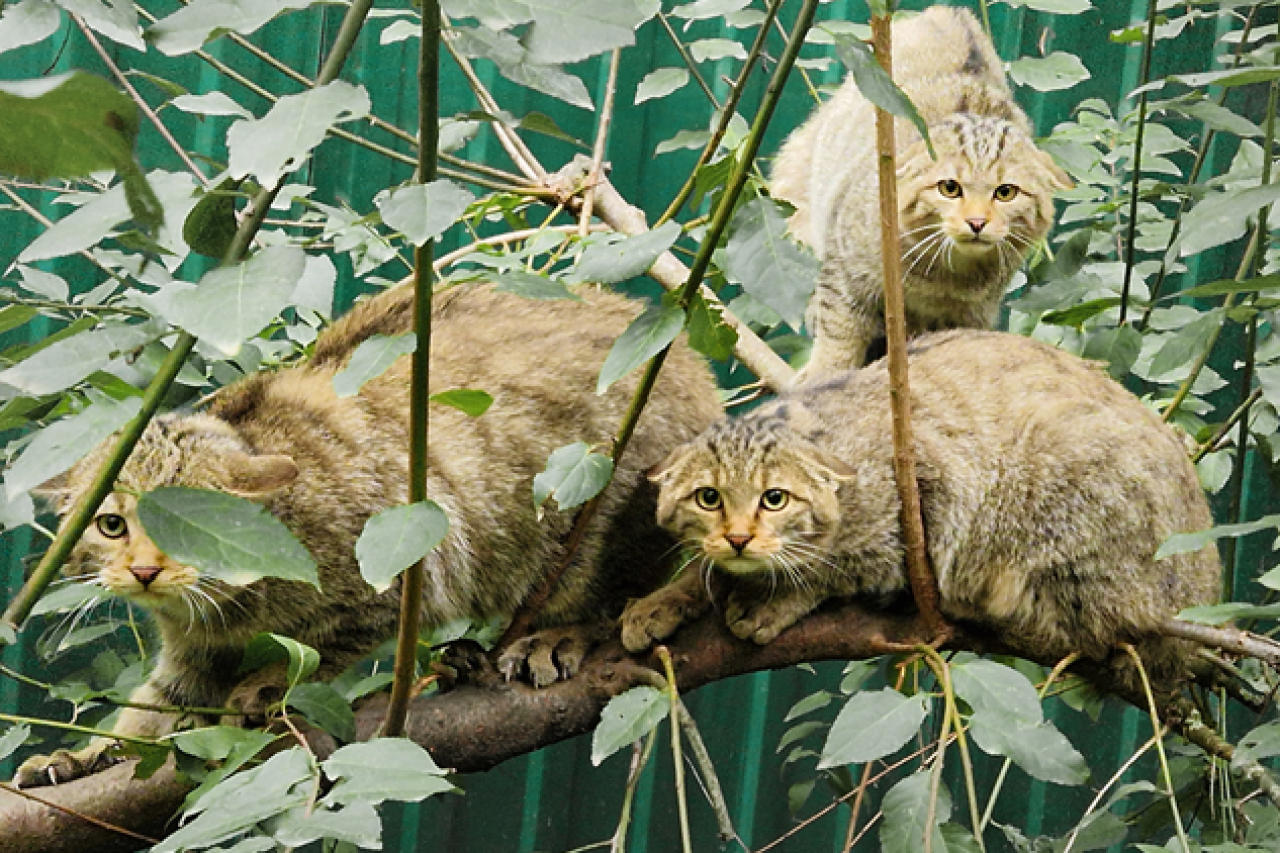
Cats are now classified as non-native, invasive species in Poland. The classification has sparked fierce debate internationally.

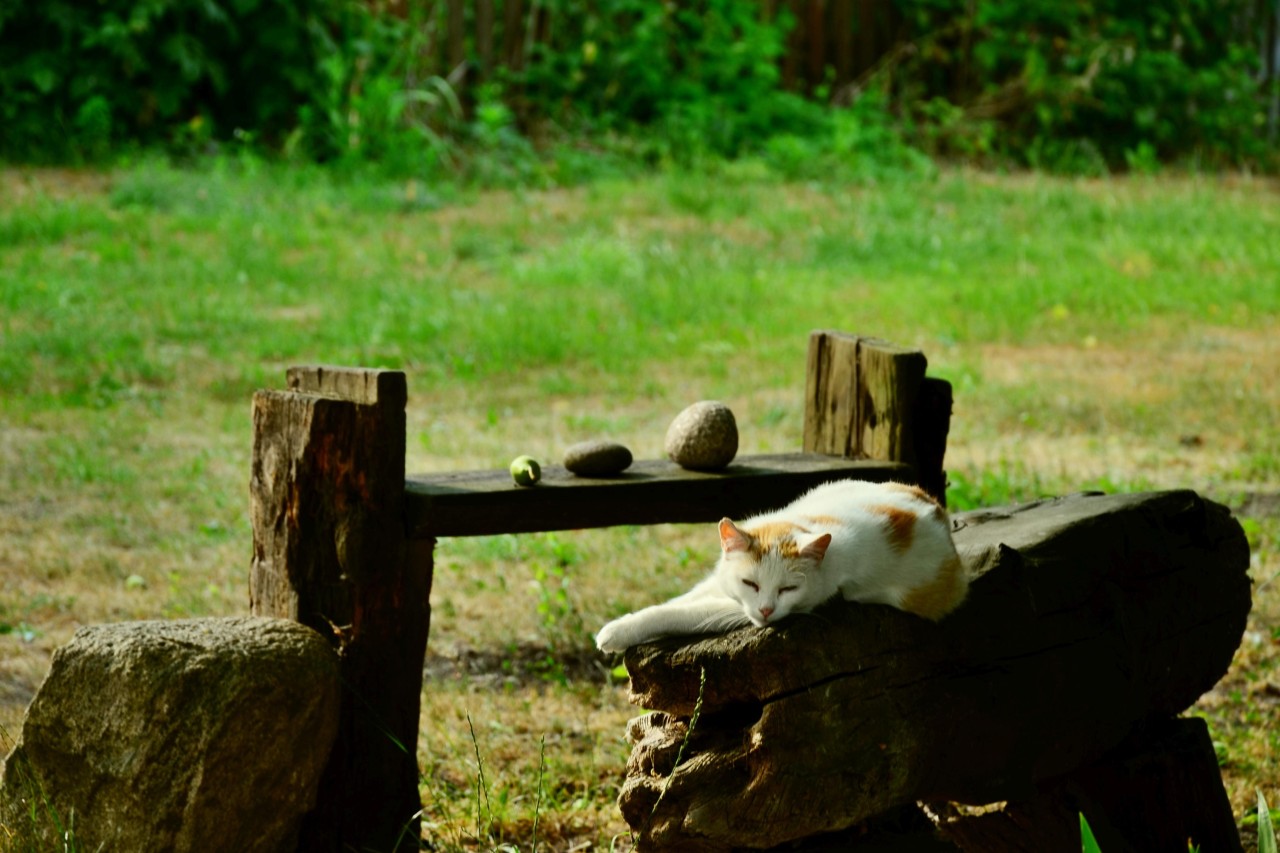
Due to the damage domestic cats cause to birds and other animals, a well-regarded Polish scientific institute has designated them as «invasive alien species».
The decision, made this month, has provoked strong emotional reactions from some cat lovers, putting the lead scientist behind it on the defensive.
When Wojciech Solarz entered «Felis catus«, the scientific name for the domestic cat, into a national database maintained by the Academy's Institute of Nature Conservation, he was not prepared for the negative public response. Solarz is a biologist at the state-run Polish Academy of Sciences.
According to Solarz, 1’786 other species had previously been added to the database without any objection. He said that some media reports, which gave the misleading impression that his institution advocates the euthanasia of feral and other cats, are responsible for the outcry over invasive alien species no. 1’787.
Given the number of birds and animals that domestic cats hunt and kill, there is growing scientific evidence that they are harmful to biodiversity, Solarz said.
He maintained that the cat fully meets the criteria for classification as a non-native invasive species.
Debate over environmental impact
The scientist and a veterinarian discussed Solarz's assessment of the risks cats pose to animals last week in a television segment on the independent broadcaster TVN.
Dorota Suminska, the author of the book «The Happy Cat«, mentioned other factors contributing to the decline in biodiversity, such as pollution and urban building facades that can kill birds in flight.
Suminska argued that cats are being unfairly assigned too much responsibility, adding: «Ask whether humans are on the list of non-invasive alien animals.«
Solarz replied that cats kill 140 million birds annually in Poland.
The institute of the Polish Academy published an article on its website at the beginning of the month, in which it mentioned the «controversy» and attempted to clarify its position. The institute claimed that its classification was in line with European Union regulations and emphasized that it was «against any cruelty to animals».
Keeping an eye on domestic cats
According to the institute, «Felis catus» is a species that, from a purely scientific perspective, is not native to Europe, as it was domesticated in the ancient Near East, where the great civilizations of antiquity originated, possibly around 10,000 years ago.
The institute clarified that it only advises cat owners to keep their cats indoors during the bird breeding season.
Cats and other invasive species often have catastrophic effects when they disturb the delicate balance of species that have coexisted for millions of years.
In 1999, there were more than 4’000 invasive species in the United States alone — typically imported species that did not evolve in a particular location. The presence of invasive plants and animals can easily disrupt the delicate balance of nature from which rare species such as the Marvellous Spatuletail in Peru and the Maui Parrotbill in Hawaii have emerged.
Invasive species can affect human health and cause significant economic losses by competing with native species, spreading disease, or even wiping out indigenous species. The impact of invasive species worsens the more humans divide up habitats.
More on the subject of recreational hunting: What the research says about this is shown by Hunting fact-checked: the state of research.
The position of IG Wild beim Wild: IG Wild beim Wild rejects recreational hunting. Our model is the canton of Geneva, which has managed without recreational hunting since 1974: without hunting seasons, without hunting dogs, without driven hunts, without high seats, without the animal cruelty and crime that go hand in hand with hunting season elsewhere. What has worked there for over fifty years disproves every position paper by JagdSchweiz. An association that bases its policy on claims it refutes in its own documents is not a professional organisation, but a factory for misinformation.