Why Recreational Hunters Are a Symptom of a Sick Culture
An Indian mystic once wrote that humanity's real problem is not violence itself, but blocked creativity. A person whose energy flows into creative endeavour simply has no inner space left for destruction. Violence, then, is merely the by-product of a system that prevents people from creating something meaningful, something alive.


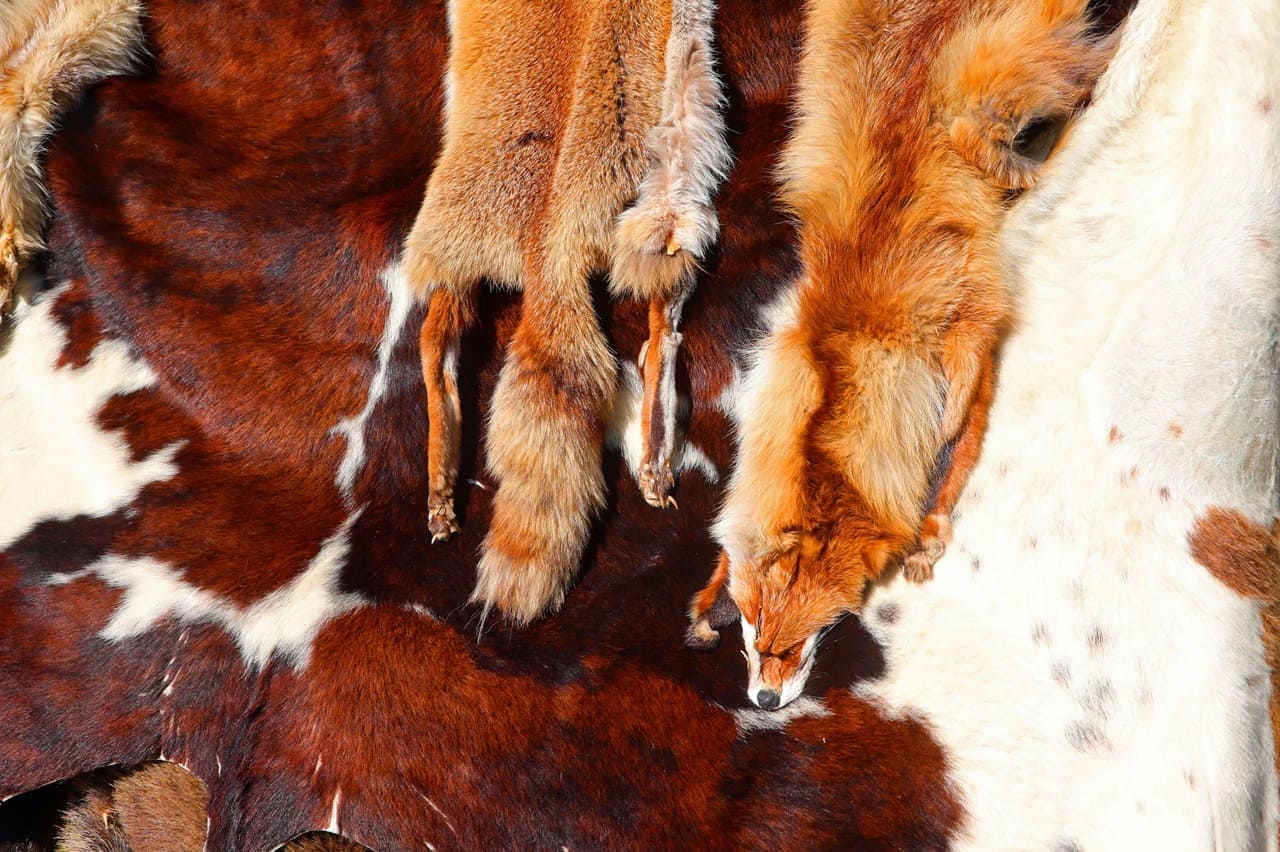
«The pleasure hunt»
Anyone who looks closely at today's recreational hunting will recognise exactly this system in its purest form.
Recreational hunters like to tell stories. Of “stewardship,” of “tradition,” of “a bond with nature.” They present themselves as guardians while they kill. This is not merely an ethical contradiction — it is also a cultural one.
Recreational hunting is the ritualised form of an old, military logic: acquire a target, take aim, eliminate. The shot is the little sister of the rifle volley; the hide is the training exercise in obedience and command. This is not about creativity but about control. Not about relationship but about dominance.
A society that venerates the soldier rather than the creator. Recreational hunting reflects precisely this imbalance. The recreational hunter is the soldier in the forest. Weapons, camouflage, hierarchies, trophies on the wall. Instead of a studio or workbench, there is an armoury and a cold store.
It is a culture of negation. Not: what can I create? But: who or what can I eliminate?
When creativity is blocked, it becomes destructive
A society that teaches children that violence is “normal” or even “necessary” should not be surprised when that logic strikes back. Those who degrade animals to a “resource” take the first step towards viewing human beings, too, as mere means to an end.
That creative energies, when left unexpressed, will eventually turn and become destructive. This is precisely where recreational hunting becomes a cipher for something larger:
- Instead of protecting habitats, we shoot at the last free-living animals.
- Instead of rewilding landscapes, we blast away in fragments of a fragmented ecosystem.
- Instead of resolving conflicts with wildlife intelligently, proactively and through technical means, we respond with the simplest, most primitive option: violence.
Recreational hunting is therefore not simply a “hobby”, but the expression of a culture that systematically devalues the creative and normalises destruction.
The recreational hunter as “hero” of a false narrative
In many rural regions, recreational hunters continue to be portrayed as figures of authority. They are credited with competence, authority and special moral privileges. They are permitted to kill what others cherish. They are permitted to decide which animal “belongs in the population” and which does not. They define what constitutes “damage” and market themselves as problem-solvers.
Yet they are frequently part of the problem:
- They bait wildlife in order to have more to shoot.
- They sabotage natural regulation processes, particularly regarding predators.
- They enforce a paradigm in which nature must subordinate itself to the logic of agriculture and hunting.
A creative engagement with wildlife looks very different. It requires knowledge, empathy, long-term thinking and, above all, one thing: the willingness not to place one’s own ego above the lives of others.
Creativity in the relationship with wildlife
What if we were to take seriously the idea that genuine creativity renders violence incompatible?
We would then have to ask: what might a creative, generative relationship with wildlife look like?
For example:
- Protecting habitats in such a way that recreational hunting becomes superfluous, because ecosystems are largely able to regulate themselves.
- Addressing conflicts through technical, planning-based and social solutions, rather than carrying ammunition into nature.
- Perceiving wildlife as subjects with intrinsic value, not as “unit counts” in a hunting district plan.
- Promoting observation, photography, research and education, rather than trophies and pub myths.
All of this demands more intelligence, more imagination, more courage than pulling a trigger. Creativity is demanding. Violence is convenient.
The spiritual excuse and the bloody reality
This connects creativity with the divine, with a creator. One need not share this religious language to grasp the core: those who create connect themselves with life. Those who destroy separate themselves from it.
Recreational hunters attempt to disguise this separation. With rituals, ceremonies, a “last honour” for killed animals. These are symbolic plasters on a real wound. No hunting horn, no final morsel placed in the mouth of a slain animal transforms an act of violence into a noble deed.
When a deer collapses in a meadow because a recreational hunter is indulging his “leisure time,” nothing spiritual occurs. What occurs is pain, the terror of death, mutilation. Everything else is romanticisation.
Those who speak earnestly of creation must ask themselves: which side am I actually on? With those who enable life? Or with those who end it when it stands in the way of their plans?
From a culture of warriors to a culture of lovers
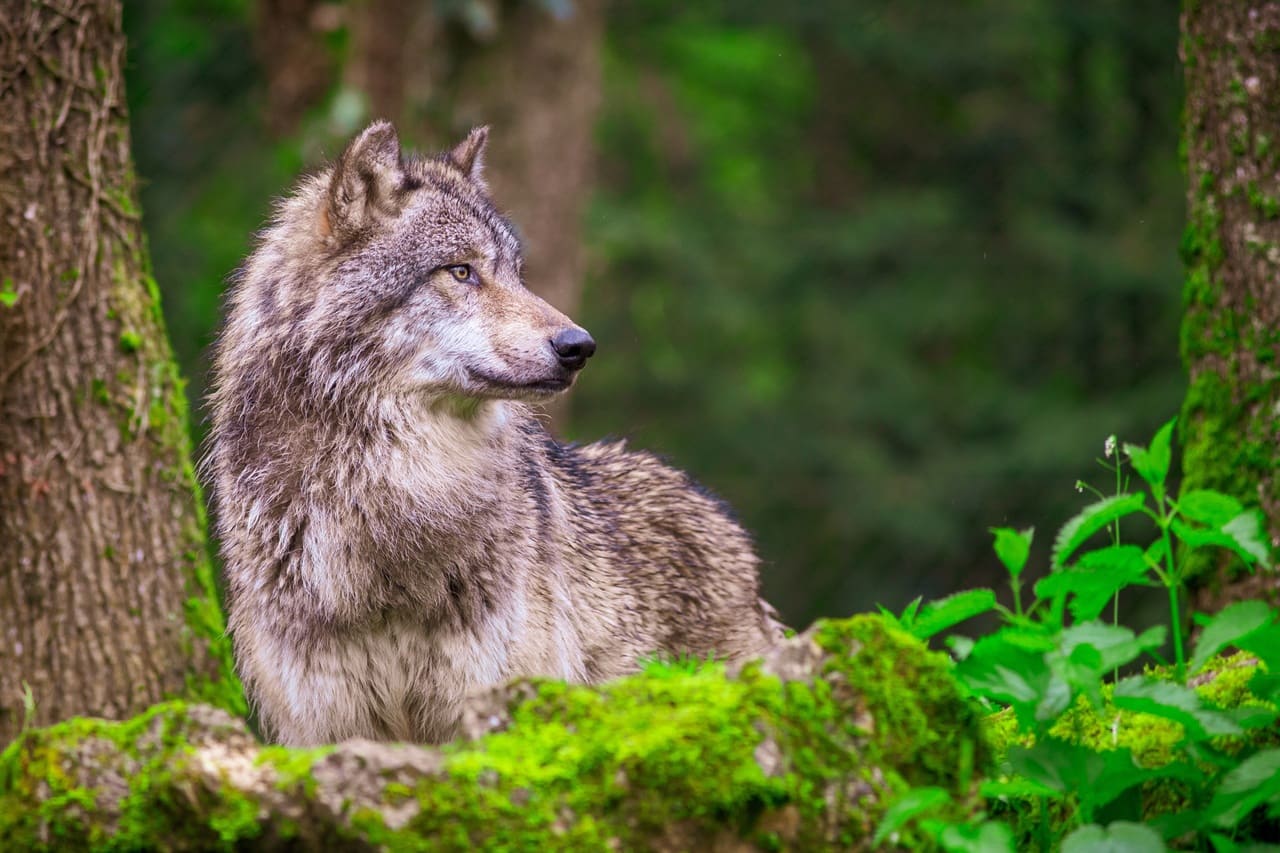
Applied to recreational hunting, this would mean: we need people who fall in love with wildlife, not with weapons. People whose hearts open when they encounter a fox, not people whose trigger fingers itch.
This means:
- Away from admiration for the “sportsmanlike shot.”
- Towards admiration for those who save habitats, plan wildlife corridors, and dismantle fences and traps.
- Away from hunting societies.
- Towards communities that advocate for genuine animal protection and a modern, scientifically grounded wildlife policy.
As long as the recreational hunter is narrated as the hero of the story, violence will remain an option in the collective consciousness. But the moment we place the creator — the creative individual — at the centre, the figure of the recreational hunter appears as nothing more than a relic of a brutal, uncreative past.
Criticism of hunting as cultural criticism
The critique of recreational hunting is more than a moral objection to a pastime. It is part of a fundamental question: in what kind of world do we wish to live?
In a world where we continue to resolve “problems” with shot and lead? Or in a world where we employ our finest capabilities to manage conflicts with wildlife intelligently and with respect for life?
Every unnecessary shot is an indictment of our creativity. Recreational hunters are then not stewards of nature, but a symptom of a society that has unlearned the creative in favour of the destructive.
It is time to turn the tables: No longer celebrating the shooter, but the creator. No longer the warrior, but the lover. No longer the recreational hunter, but those who dare to enter the forest without a rifle.
RECREATIONAL HUNTER RADAR
On the trail of concealed animal welfare offenses, poaching and/or criminal activity? Report suspicious cases to us! Help with the great recreational hunter radar.

More on the subject of recreational hunting: In our dossiers on the criticism of recreational hunting gather fact-checks, analyses and background reports. The scientific evidence is presented in the overview Studies on the Effects of Recreational Hunting.
The position of IG Wild beim Wild: IG Wild beim Wild rejects recreational hunting. Our model is the canton of Geneva, which has managed without recreational hunting since 1974: without hunting seasons, without hunting dogs, without driven hunts, without high seats, without the animal cruelty and crime that go hand in hand with hunting season elsewhere. What has worked there for over fifty years disproves every position paper by JagdSchweiz. An association that bases its policy on claims it refutes in its own documents is not a professional organisation, but a factory for misinformation.