When a prohibition sign becomes a hunting trophy
In the Lugano area, hobby hunters repeatedly tear down prohibition signs in a private forest. The case shows how powerless landowners are against recreational hunting and why hunting bans on private land would be politically necessary for ethical reasons.

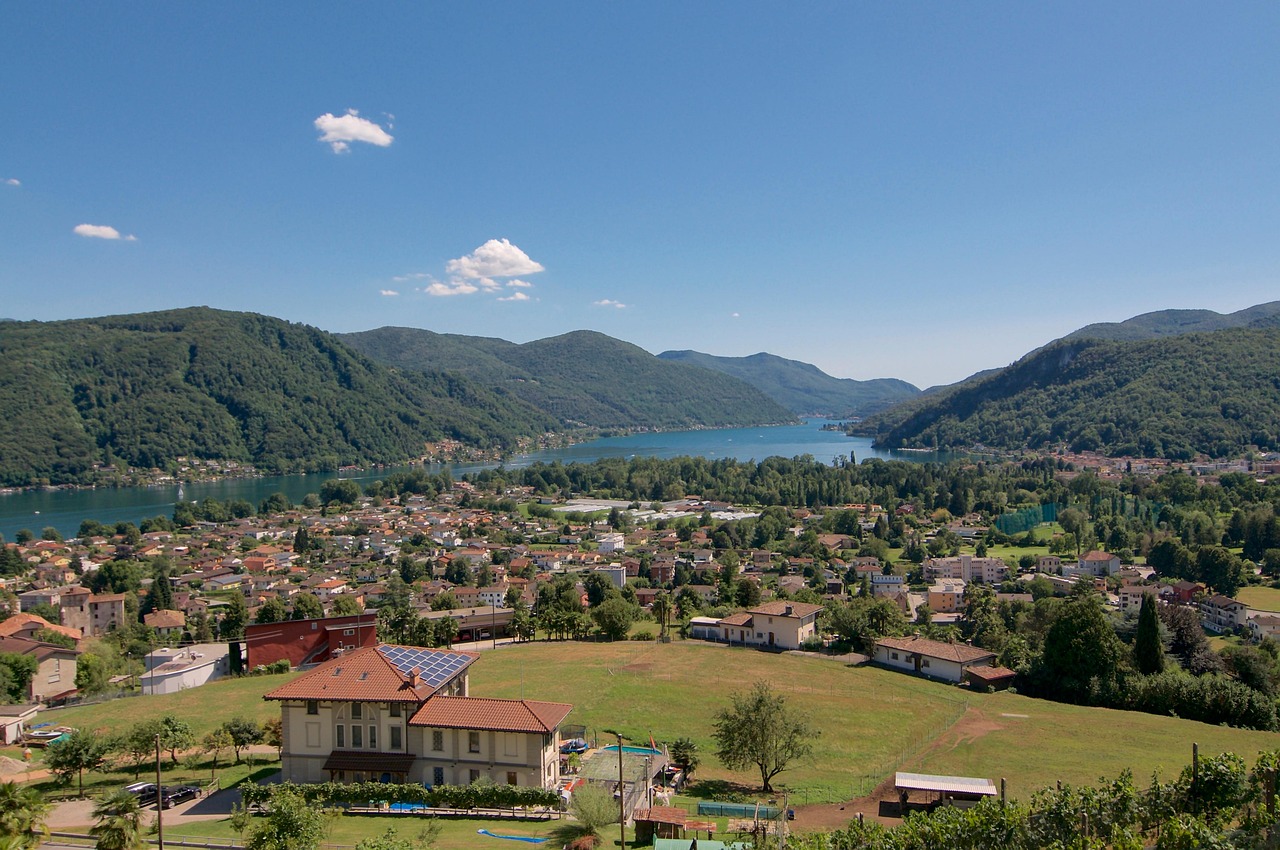
A private forest, donkeys in the pasture, a sign with a clear message: «Bosco privato, divieto di accesso ai cacciatori».
And then what sums up many conflicts around recreational hunting in Ticino: The sign is torn down multiple times, the owners' request ignored, frustration grows. Those affected tell tio.ch that hobby hunters regularly patrol through or stay in their private forest area, despite repeated signalling.
The Ticinonline report describes not just frustration over property damage. It reveals a pattern: those who wish to exempt themselves from recreational hunting on their own land for ethical reasons quickly encounter limits set by current law. Specifically, the property owners say they contacted game wardens and police and received the response: without fencing, hobby hunters cannot be prevented from entering. At the same time, the canton's forest planning maintains that free access to forests applies in Switzerland, and fences or structures that restrict access are generally prohibited or require permits.
Here lies the core of the problem: free forest access for pedestrians is in practice confused with a de facto right of passage for hobby hunting. But hobby hunting is not simply 'use like any other'.Hobby hunting is a state-regulated, armed activity with significant impact on animals, people and safety. It therefore appears as a systemic blind spot when authorities refer to 'forest access' while property owners simultaneously face the reality that animals can be pursued and killed in their own private forest, even though they reject this on grounds of conscience. For those who reject hobby hunting on grounds of conscience cannot escape it on their own land.
Ticinonline also quotes the cantonal argument that hobby hunting within the framework of ungulate management is 'fundamental' for the forest and regeneration, and that excessive ungulate populations could endanger the protective function of the forest. This is the classic justification by which recreational hunting is sold as an alleged forestry necessity. But even if a canton wants to control wildlife populations, it does not automatically follow that private owners must tolerate every form of recreational hunting on their land, especially not against their ethical convictions and despite repeated boundary violations and property damage.
This is precisely where wildbeimwild.com has long intervened, with a clear political proposal: hunting peace on private forest through 'jagdliche Befriedung' for ethical reasons. Our model text demands that owners of private forest and other private land should be able to achieve, upon application, that no hobby hunting for recreational purposes is practiced on their land if they reject hobby hunting based on fundamental ethical convictions. The justification is based on property rights guarantee, freedom of conscience and the human rights dimension of compulsory hunting under the ECHR and the jurisprudence of the European Court of Human Rights.jagdliche Befriedung' for ethical reasons. Our model text demands that owners of private forest and other private land should be able to achieve, upon application, that no hobby hunting for recreational purposes is practiced on their land if they reject hobby hunting based on fundamental ethical convictions. The justification is based on property rights guarantee, freedom of conscience and the human rights dimension of compulsory hunting under the ECHR and the jurisprudence of the European Court of Human Rights.
Important here: the proposal is not 'all or nothing'. The model text expressly provides for narrowly defined exceptions when overriding public interests are affected, such as in disease control, security issues or mandatory nature conservation reasons. And it stipulates that such interventions should generally be carried out by game wardens and be limited to the necessary minimum. This is the crucial difference between ethically justified hunting peace and a blanket blockade of any population regulation.
The Ticino case is therefore more than a local anecdote about torn-down signs. It is a reality check: when property owners in the Lugano area report that prohibition signs are 'systematically ignored' and even collected as 'trophies', it is not just about decency but about power relations. And when the responsible authority says it has 'never had problems or reports' about incompatibility between hobby hunting and forest ownership, this appears like institutional looking-away in light of such reports.
What counts now is political translation. Those who don't want to let such conflicts escalate further need clear rules instead of appeals for 'respectful behavior'. Cantons can design recreational hunting so that fundamental rights, property and wildlife protection are taken seriously. A concrete lever is the possibility to pacify private areas from hunting for ethical reasons, with clear exceptions for overriding public interests.
More on this in the background: «Hunting peace on private forest: Pacification of private property for ethical reasons». Context on the fundamental rights issue: «Hunting and human rights: When recreational hunting becomes a fundamental rights problem».
The case from Lugano shows: As long as owners cannot effectively exclude recreational hunting on their own property, the conflict remains programmed, and the boundaries in the forest continue to become a power struggle.
Related articles
- Wolves under constant fire: How Swiss hunting politics ignores science and ethics
- Protection forest: Recreational hunting creates problems it claims to solve
- The wolf is not the problem – it is the solution
- Forest conversion: Paths to resilient mixed forests in the face of hunting
- Forest conversion at Lukmanier Pass
- Hunting is not the solution for forest conversion
- Hobby hunters don't help forest conversion
- The conflict between forestry, hunting and wildlife
Support our work
With your donation you help protect animals and give their voice a hearing.
Donate now →