Protective Forest: Recreational Hunting Creates Problems Instead of Solutions
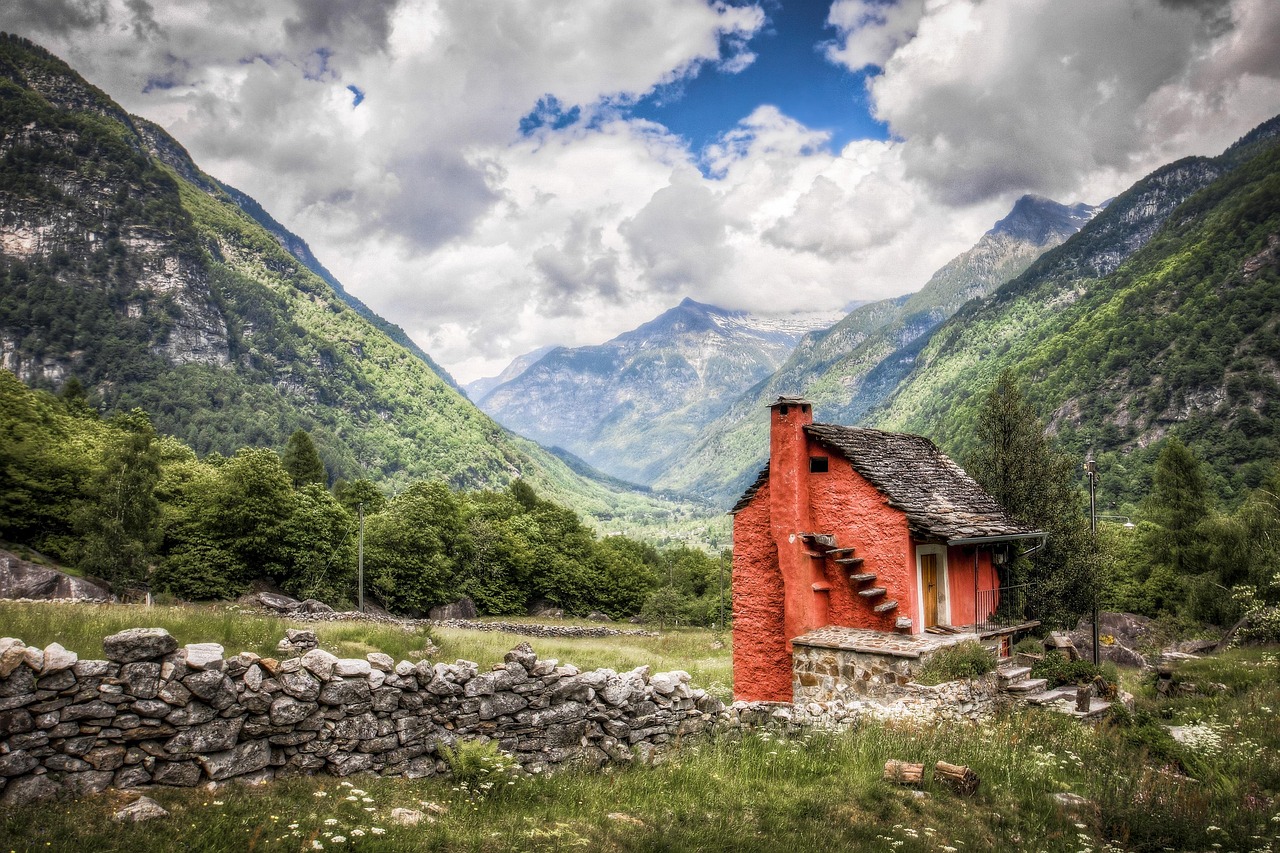
In Ticino, too, the protective forests are literally on the brink. They are meant to shield villages and transport routes from landslides. But because the forests can no longer regenerate, the risk of natural disasters is increasing.

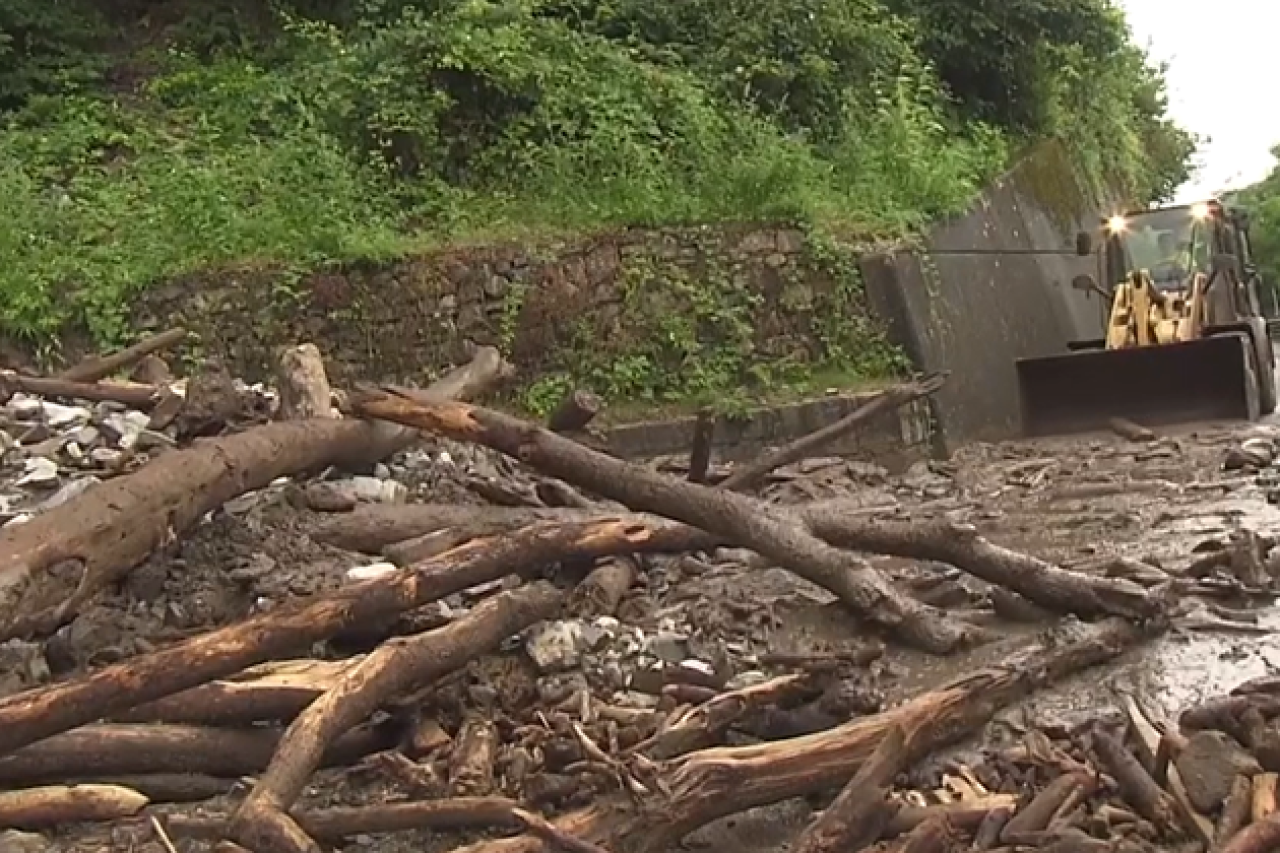
The deer are not the only ones to blame — the real culprit is a misguided policy that has relied for decades on the wrong «regulators»: the recreational hunters.
Every year, around 3,000 deer and chamois are shot in Ticino. That amounts to nearly half of all ungulates in the canton. If recreational hunting truly delivered on its promises, the forest should have recovered long ago. Yet the opposite is true: young trees continue to be browsed, the soil erodes, and expensive fencing must be erected.
The truth is uncomfortable: recreational hunting does not work as a means of population control. It is a bloody ritual that artificially inflates population numbers in order to ensure enough game is available for the next hunting season. Recreational hunting does not mean fewer deer — it means more births. Social structures are manipulated and destroyed. The wild boar surge in the canton of Ticino is also a man-made problem. Wild boar live in sounders with a clear hierarchy. When experienced lead sows (dominant mother animals) are shot, the structure collapses. What remains are many young sows that reproduce more rapidly and often simultaneously. Wild boar are extremely adaptable. When subjected to heavy hunting pressure or disturbance, they respond with increased fertility — the so-called compensation effect. Even very young sows can then become pregnant at an early age. Heavy hunting pressure causes sounders to become more unpredictable, shifting their activity to the night and colonising new habitats. When they are in the forest, they should be left in peace.
The red deer, which we encounter today almost as a matter of course in mountain forests, is historically not a classic forest animal and was not originally native to higher elevations. It retreats there solely for protection from recreational hunting. The red deer was primarily an animal of open landscapes, steppes, and light-flooded forests in Europe. Intense hunting pressure has forced the deer into marginal habitats. The fact that red deer today appear in massive numbers in the forests of many Alpine cantons (e.g. Graubünden, Valais, Ticino) is not pristine nature, but the result of recreational hunting.
The economic value of the protective function of forests is estimated at around 4 billion francs per year. According to the federal authority for protective forests, a total of approximately 58 million francs per year is allocated to the protective forest sector under the federal financial plan. Other sources indicate that the amounts actually paid out by the federal government and cantons amounted to just over 160 million francs in 2020, for example.
While recreational hunting is often presented as a cost-free service for population regulation, the public bears the subsequent costs — protective measures, fencing, reforestation, and natural hazard prevention.
In regions such as Ticino, the image of intact nature also plays a role in tourism. A forest that appears degraded by wildlife browsing weakens this image.
The wolf is unwanted because it works
Yet a solution has long existed that costs not a single franc: the wolf. It hunts efficiently, year-round, and forces deer to change their behavior. Forests are thereby given a chance to recover. The wolf does what recreational hunters have merely been claiming for years — it actually regulates populations.
Specialist articles emphasize that Swiss forests can benefit from the wolf, as it reduces wildlife populations and lowers browsing pressure; NGOs such as IG Wild beim Wild have for years been pointing to the positive effects on forest regeneration in areas with high deer populations.
Instead of welcoming this natural helper, however, he is systematically persecuted. Politically, everything is done to keep him small, because he threatens, among other things, the business model of recreational hunting. A wolf does not consume hunting permits or trophies. Hunting associations have historically exerted great influence on legislation and permits. In many cantons, poorly trained recreational hunters with an extremely questionable ethical hygiene occupy key positions in politics and government, which makes reform more difficult.
Instead of allowing the natural cycle to take its course, fences costing millions of francs are being erected at Monte Generoso and elsewhere. Taxpayers' money flows to conceal the consequences of a hunting policy that has been failing for years.
The paradox is grotesque: too many deer for the forests, and at the same time wolves are being shot — the very animals that would alleviate this very problem. The wolf is heavily laden with symbolism (fairy tales, myths, fears). The rejection is often more emotionally driven than factually grounded.
Switzerland's hunting legislation is fundamentally based on a 19th-century model. In many places, wild animals are still regarded as a resource to be managed, rather than as part of an ecosystem.
Recreational hunting creates the very problems it claims to solve. It artificially inflates animal populations, destroys the balance of nature, and consumes public funds. As long as politics and the hunting lobby keep this cycle alive, the forests of Ticino — and elsewhere — will not grow healthier, but sicker.
It is time to end the hypocrisy: it is not the deer that endanger our forests, but the hunting system that exploits them.
Further articles
- Wolves under constant fire: How Swiss hunting policy ignores science and ethics
- Protective forest: Recreational hunting creates problems it claims to solve
- The wolf is not the problem — it is the solution
- Forest conversion: Paths to resilient mixed forests in the face of hunting
- Forest conversion near the Lukmanier Pass
- Hunting is not the solution for forest conversion
- Recreational hunters do not help forest conversion
- The conflict between forestry, hunting, and wildlife
More on the subject of recreational hunting: The scientific evidence is presented in the overview Studies on the Effects of Recreational Hunting.
The position of IG Wild beim Wild: IG Wild beim Wild rejects recreational hunting. Our model is the canton of Geneva, which has managed without recreational hunting since 1974: without hunting seasons, without hunting dogs, without driven hunts, without high seats, without the animal cruelty and crime that go hand in hand with hunting season elsewhere. What has worked there for over fifty years disproves every position paper by JagdSchweiz. An association that bases its policy on claims it refutes in its own documents is not a professional organisation, but a factory for misinformation.