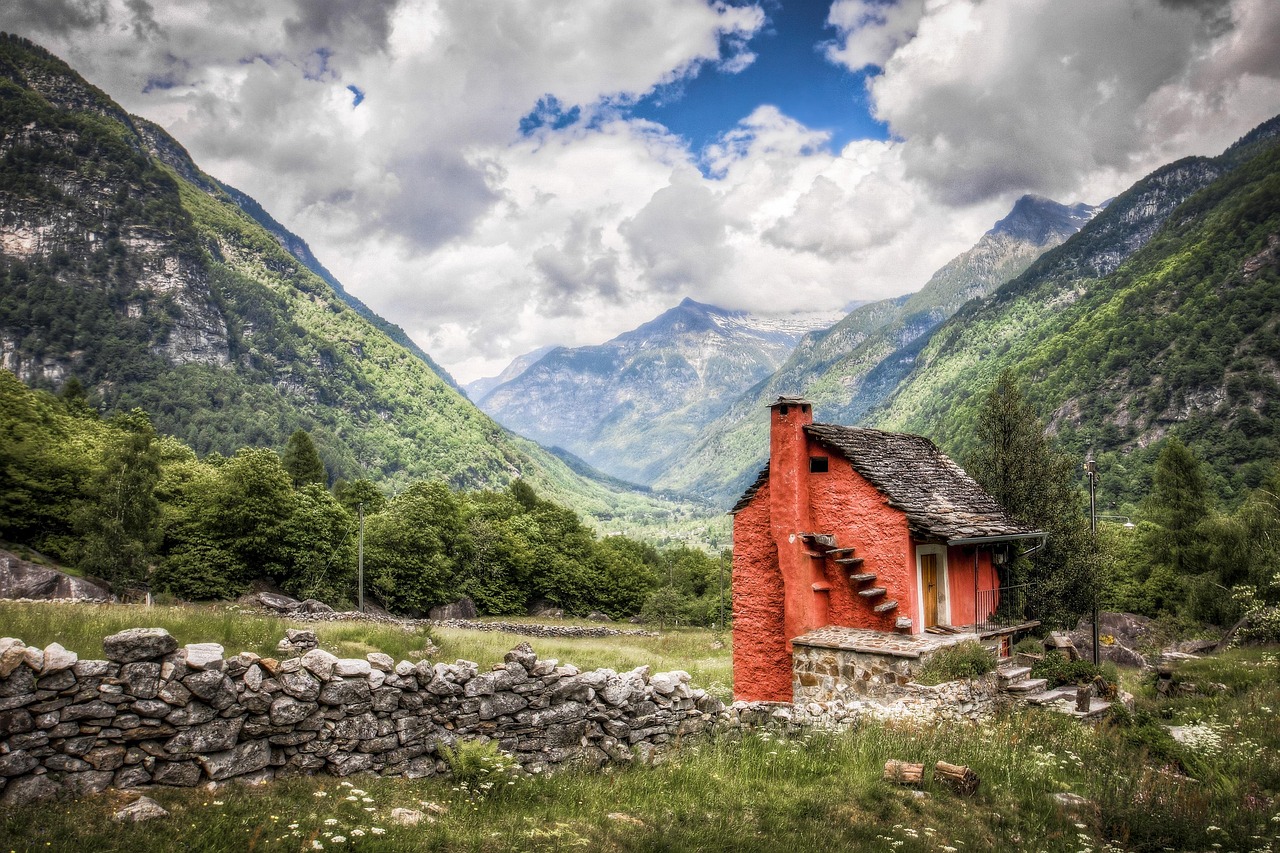
Forest Conversion near the Lukmanier Pass
The forest near the Lukmanier Pass in Graubünden is being restructured. Swiss stone pines and larches are intended to make the protective forest more climate-resilient and to promote biodiversity.

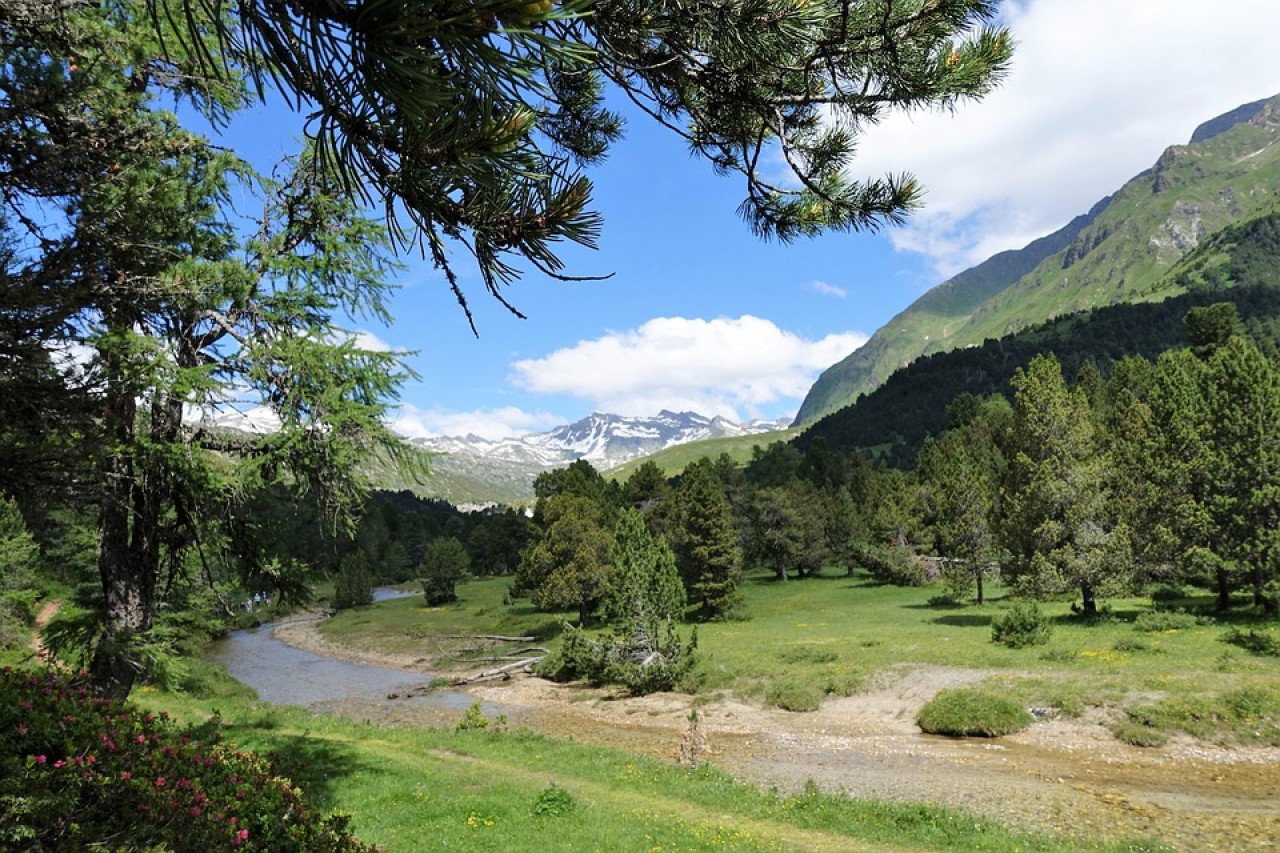
The Swiss stone pine, also known as the arolla pine or Queen of the Alps, is a distinctive tree found primarily in the alpine regions of Europe.
With its characteristic appearance and associated ecological and economic value, the Swiss stone pine attracts both nature enthusiasts and researchers alike.
The Swiss stone pine grows mainly in the mountainous regions of the Alps, from Piedmont to Tyrol and Salzburg. It is predominantly found at elevations between 1’200 and 2’400 metres, where it thrives in cool, dry climatic zones. Its hardiness makes it an important tree species in these harsh environments.

The Swiss stone pine can grow up to 25 metres tall and is characterised by a straight, often very tall trunk. The needles are arranged in clusters of five and have a notably soft texture. Their colour ranges from green to blue-green. The cones are cylindrical and take two to three years to fully ripen.
Ecological Significance
Swiss stone pines play an important role in the alpine ecosystem. They provide habitat for numerous animal species, including birds, insects and mammals. Furthermore, their dense root systems contribute to soil stabilisation and reduce the risk of erosion in mountain areas. The biodiversity of these ecosystems is of great importance.
Economic Use
The Swiss stone pine is of great economic importance. Its timber is particularly sought after, as it is light, durable and aromatic. It is frequently used in furniture making as well as for interior fittings. In addition, the seeds of the Swiss stone pine are edible and are valued in regional cuisine, for example in muesli or baked goods.
In Alpine culture, the Swiss stone pine also holds symbolic significance. It represents permanence and resilience. In many regions it is considered sacred, and the wood is often used in craftsmanship or for ceremonial occasions.
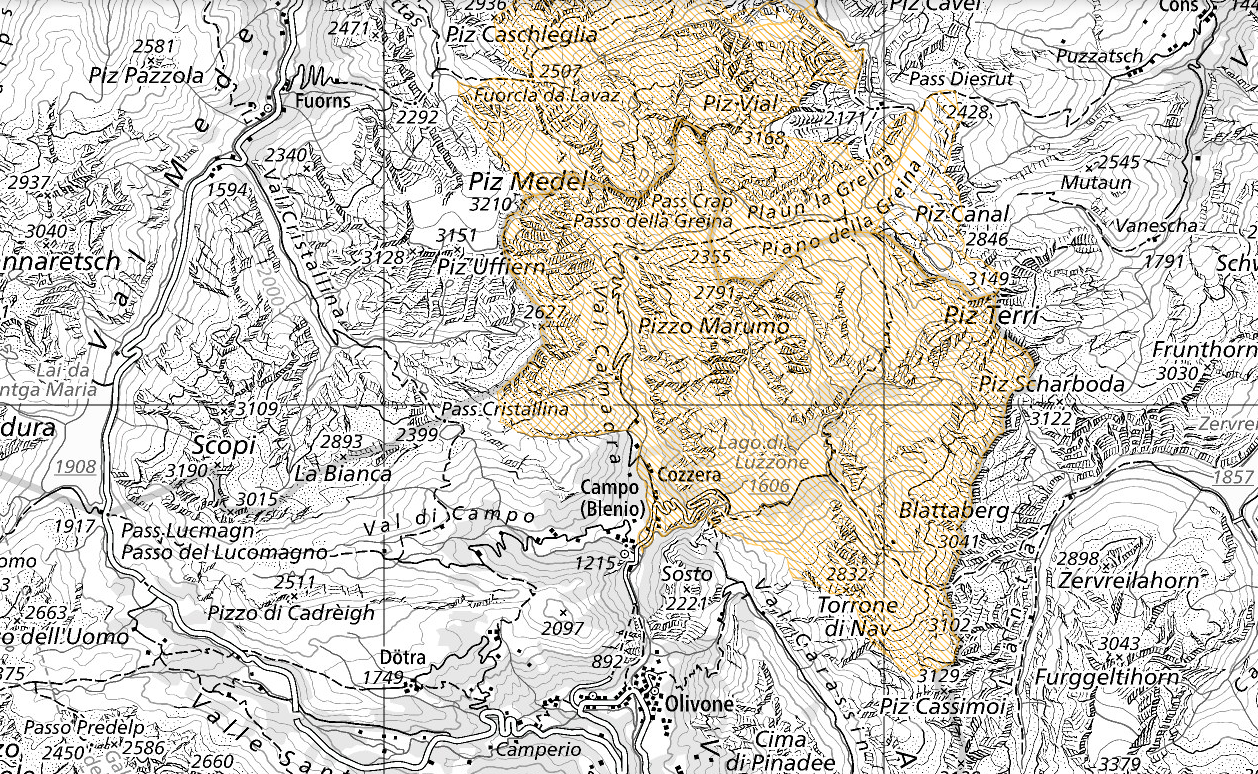
Protective forest project at the Lukmanier Pass
The maintenance of 145 hectares of protective forest, the planting of young trees on more than 25 hectares, and the construction of temporary timber structures: these are the key interventions forming part of the silvicultural and protection project along the Lukmanier Pass road. The Ticino State Council has approved the dispatch, which must now be submitted to the Grand Council.
According to the ministry, the road section endangered by natural hazards stretches 12.4 kilometres, of which 3.4 kilometres are frequently exposed to avalanche risk. Should parliament approve the project, it will be implemented over a period of 15 years for timber structures and 10 years for forestry interventions.
The financing of construction works totalling more than 14 million francs is supported by the municipality of Blenio, with 80% covered by the canton and the Confederation. The remaining 20% is borne by the implementing body, which can benefit from timber sales (2%) and a cantonal contribution of 15% for the roads. More on the Environmental and nature conservation.
Since the project perimeter lies within an area listed in the federal inventory of landscapes, townscapes and monuments of national significance, the protective structures will be made of wood and will have a temporary character, with an estimated service life of approximately 40 years. During this time, the protective structures will shield young trees from snow movement and thus promote faster forest recovery, which will in future and over the long term take over the function of protecting the road against natural hazards.
In light of the above, the Committee for the Environment, Land and Energy now recommends that the parliament of the canton of Ticino dispatch No. 8439 for silviculture and avalanche protection works in the protective forests above the cantonal road of the Lukmanier Pass in the territory of the municipality of Blenio, section Olivone.
Further articles
- Wolves under constant fire: How Swiss hunting policy ignores science and ethics
- Protective forest: hobby hunting creates the very problems it claims to solve
- The wolf is not the problem – it is the solution
- Forest transformation: Paths to resilient mixed forests in the face of hunting
- Forest transformation at the Lukmanier Pass
- Hunting is not the solution for forest transformation
- Hobby hunters do not help forest transformation
- The conflict between forestry, hunting and wildlife