The wolf is not the problem – it is the solution
How reintroduced wolves are healing our forests – and why the FOEN and the cantonal hunting authorities are standing in the way.
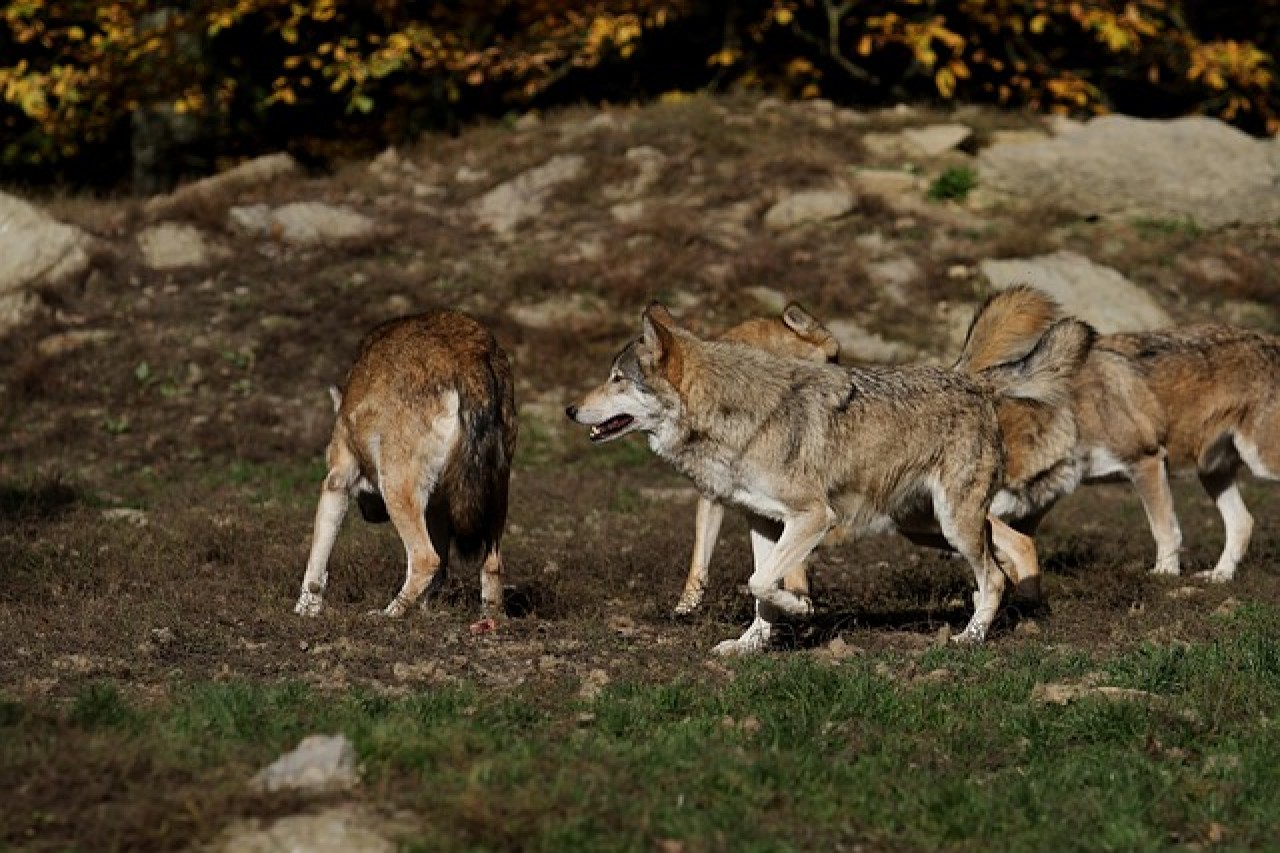
While recreational hunters continue to claim they are «necessary for nature conservation», science paints a different picture: where wolves return, forests regenerate faster and more sustainably than where humans shoot.
In North America, Scandinavia and increasingly in Switzerland too, research shows that reintroduced wolves have profound positive effects on ecosystems. A recent report on Animals Around the Globe describes how wolves, through their mere presence, change the behaviour of herbivores – and thereby heal entire landscapes.
Without natural enemies, wild animals such as red deer or roe deer behave completely differently: they overgraze young forests, eat shoots and prevent natural regeneration. But as soon as wolves return to an area, the behaviour of the prey animals changes fundamentally.
Instead of roaming everywhere without concern, they avoid exposed places – above all riverbanks, valleys and clearings. This allows young trees, shrubs and herbs to grow again. Aspens, willows and poplars in particular benefit from this.
This vegetation stabilises soils, retains water and promotes biodiversity. In short: wolves are key figures for living forests.
The role of recreational hunting: natural enemy or cultural myth?
The hunting lobby often argues that only through killing can a «healthy wildlife balance» be maintained. But ecological data from areas with a wolf presence refute this:
- In regions with stable wolf packs, wildlife densities fall without human intervention.
- Hunting pressure from humans leads to unnatural behaviour – wild animals are constantly stressed and flee far.
- Hunting artificially creates high populations, because feeding and game management are carried out to guarantee «attractive game».
In other words: recreational hunting does not replace nature – it disturbs it.
Grisons as an example: the wolf as a forestry helper
In Grisons, it becomes clear how positively wolves affect protective forests. Since packs established themselves in the Calanda area, foresters have observed better forest regeneration. Young firs and beeches grow back because they are eaten less often.
As a result, forests once again better fulfil their protective functions – against avalanches, erosion and rockfall. So it is not a «problem wolf» at work here, but a forest caretaker on four paws.
Biodiversity instead of lead
The return of predators such as the wolf brings back natural processes that were disrupted for decades. Where the wolf lives,
- more trees grow,
- more bird species return,
- soils stabilise,
- and the CO₂ store in the soil grows larger.
All of this – without human intervention, without forestry, without hunting.
Instead of stoking fear and responding to ancient myths with calls for kills, we should see the wolf for what it is: a more natural regulator, a landscape designer and a symbol of functioning ecosystems.
Wolves need no rifles to keep the forest in balance. Humans need wolves – so that the forests can breathe again.
Further articles
- Wolves under constant fire: how Swiss hunting policy ignores science and ethics
- Protection forest: recreational hunting creates the problems it claims to solve
- The wolf is not the problem – it is the solution
- Forest conversion: paths to resilient mixed forests in the face of hunting
- Forest conversion at the Lukmanier Pass
- Hunting is not the solution for forest conversion
- Recreational hunters do not help forest conversion
- The conflict between forestry, hunting and wild animals
More on the subject of recreational hunting: In our dossiers on recreational hunting gather fact-checks, analyses and background reports. The scientific evidence is presented in the overview Studies on the Effects of Recreational Hunting.
The position of IG Wild beim Wild: IG Wild beim Wild rejects recreational hunting. Our model is the canton of Geneva, which has managed without recreational hunting since 1974: without hunting seasons, without hunting dogs, without driven hunts, without high seats, without the animal cruelty and crime that go hand in hand with hunting season elsewhere. What has worked there for over fifty years disproves every position paper by JagdSchweiz. An association that bases its policy on claims it refutes in its own documents is not a professional organisation, but a factory for misinformation.
Support our work
With your donation you help protect animals and give a voice to their cause.
Donate now →