USA: Hunting Is Losing Popularity
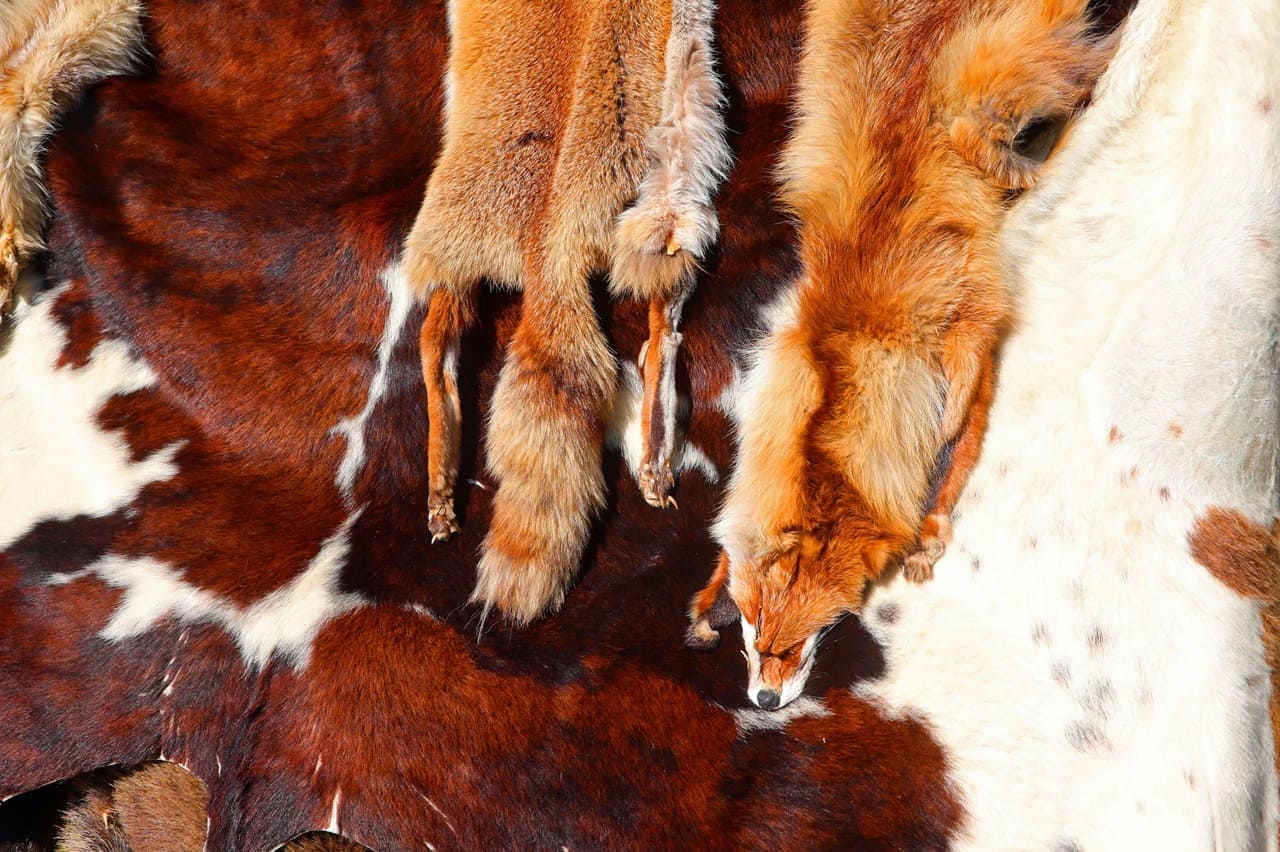
In the USA, recreational hunting is coming under increasing social pressure. With the rise of social media, kill photos, hunting videos and other bloody stagings are becoming accessible to a wider public. What used to remain largely out of sight is now visible to everyone and is being critically commented on with growing frequency.

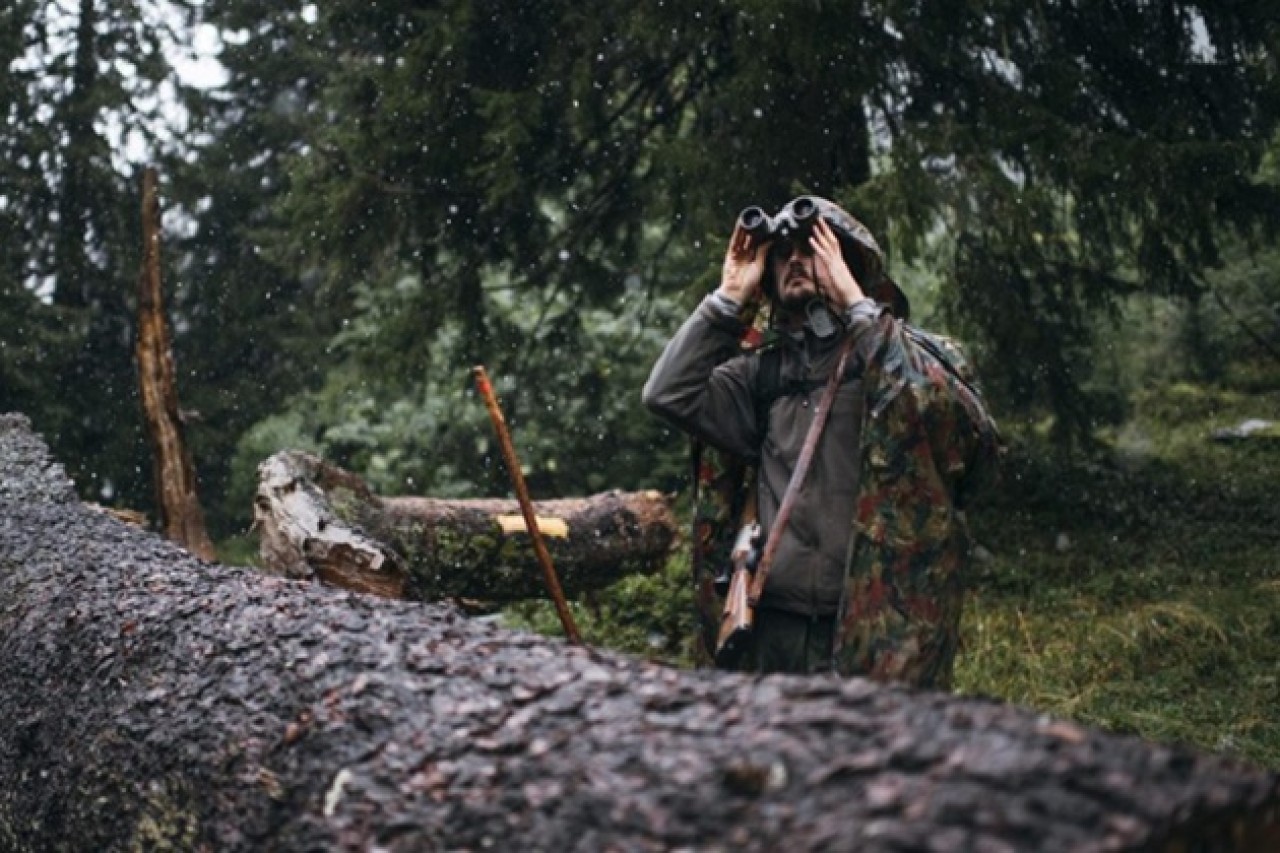
On many platforms and websites, the publication of trophy images is now unwelcome or explicitly prohibited.
This is justified on grounds of decency, morality and respect for animals. Those who boast about it publicly risk criticism and social ostracism.
Studies show that the share of recreational hunters in the total population of the USA has been declining for decades. While millions of people still hunt, their proportion of the population has fallen significantly. Among young people in particular, recreational hunting is losing its appeal.
Between 2011 and 2016, the number of active recreational hunters declined measurably. Even though individual figures recovered slightly in subsequent years, the long-term trend remains: an ever-smaller share of the population participates in hunting at all. Instead of heading out into the field, many young people are choosing other forms of experiencing nature that do not involve a rifle.
The reasons include new leisure options, increasing urbanisation, changing family structures and a growing awareness of animal welfare and biodiversity. In many regions, hunting has shifted from a family ritual to a commercialised business that has little to do with the image of the “honourable huntsman” of bygone eras.
Walmart and the Debate Over Images of Violence
Following several mass shootings in the United States, the retail sector also came under pressure to reconsider its relationship with violence and weapons advertising. The department store chain Walmart responded, among other things, by removing violent promotional images and related displays from its stores. Employees were instructed to take down marketing material featuring violent imagery and to ensure that no violent content was playing on screens in the electronics departments, a category that included certain hunting videos.
In parallel, Walmart discontinued the sale of particularly controversial firearm models and restricted its range of weapons and ammunition on several occasions. While certain hunting weapons continue to be sold, the company remains under sustained political and social pressure to go even further.
The public debate is unambiguous: an increasing number of people are fundamentally questioning whether mass killing — whether in the form of actual hunting or its glorification in imagery — still has a place in our times.
Animal Cruelty, Youth, and Violence
A Swiss study involving several thousand young people found that adolescents who engage in animal cruelty commit acts of violence and other offences significantly more frequently than their peers who do not. The researchers identified a clear statistical correlation between animal cruelty and various forms of delinquency, in particular vandalism and serious violent behaviour.
Importantly, such studies cannot conclusively prove that animal cruelty automatically leads to later violence against humans. However, they demonstrate that animal cruelty is a risk marker to be taken seriously as an indicator of problematic social behaviour.
A distinction is drawn between:
- Active animal cruelty: the deliberate tormenting, mistreatment, or gratuitous killing of animals.
- Passive animal cruelty: the neglect and abandonment of animals.
Those who wilfully cause animals to suffer demonstrate a disturbed relationship with compassion and respect for living beings. The line between “hobby” and violence is thin in this context, and is quickly blurred by societal tolerance.
Hunting, Aggression, and Psychoanalytic Perspectives
From a classic psychoanalytic perspective, animal cruelty is sometimes understood as a defense mechanism known as “displacement.” The animal takes on the role of a scapegoat, upon which internal conflicts and pent-up aggression are discharged. It is frequently described that former victims can later become perpetrators who “reverse” their own experienced feelings of powerlessness by tormenting animals.
Hunting and killing can, within this interpretive framework, be linked to aggression and the drive for dominance. Critical voices emphasize that hunting discourse is often constructed in a way that psychologically trivializes the act of killing. Through a mixture of technical jargon, pseudo-logic, and ritualized narratives, a violent act is reframed as a purportedly “clean” intervention in the service of stewardship, tradition, or nature.
The psychoanalyst Dr. Hanna Rheinz describes how, in hunters’ self-portrayals, responsibility is frequently delegated to an inner “hunting thrill.” The recreational hunter casts themselves as the victim of an instinctual drive rather than as a consciously acting person who decides whether an animal may live or die. As a result, the act of killing remains largely unexamined psychologically and becomes embedded in social normality.
It is important to note that such interpretations represent perspectives from specific disciplines and do not automatically reflect the consensus of psychiatry or psychology as a whole. They do, however, provide substantiated arguments for critically questioning hunting as an expression of problematic patterns in the exercise of power, control, and the treatment of fellow creatures.
Recreational hunting and children
Recreational hunters have no pedagogical training, and their activity is not a neutral nature education program but is based on the deliberate killing of animals. Those who kill out of passion cannot simultaneously provide neutral information about wildlife and ecology. It is therefore legitimate to view critically the proximity of such offerings to schools and children.
If animal cruelty is a risk factor for later violence, and if hunting is inseparably linked to injuring and killing, children should not be uncritically introduced to such practices. Instead, programs are needed that place empathy, biodiversity, and respectful engagement with nature at the forefront.
Why young people in the United States are turning away from hunting
Several factors contribute to young people in the United States hunting less and less:
- Shifting values: Animal welfare, the climate crisis, and biodiversity are central issues for many young people. A recreational activity in which animals are killed for fun no longer fits into their worldview.
- Urbanization: More and more people are living in cities. Practical access to hunting grounds is becoming more difficult.
- Commercialization and Corruption: In some regions, “family hunting” has become a lucrative business that drives up lease prices and creates unequal access.
- Changing Family Structures: High divorce rates, single-parent households, and time pressures make it harder to pass on hunting traditions. The classic image of a father taking his son “out to the hunting grounds” is losing its significance.
- Alternative Nature Experiences: Outdoor sports, photography, birdwatching, conservation projects, and digital formats offer new ways to experience nature intensively without harming or killing animals.
The bottom line is clear: recreational hunting is losing ground in the United States in the long term, particularly among younger generations. At the same time, awareness is growing that violence against animals and violence against humans are not separate worlds, but often reflect the same attitudes toward power, empathy, and life.
More on the subject of recreational hunting: In the dossier Psychology of recreational hunting we put research, motives and social consequences into perspective. What the research says about this is shown by Hunting fact-checked: the state of research.
The position of IG Wild beim Wild: IG Wild beim Wild rejects recreational hunting. Our model is the canton of Geneva, which has managed without recreational hunting since 1974: without hunting seasons, without hunting dogs, without driven hunts, without high seats, without the animal cruelty and crime that go hand in hand with hunting season elsewhere. What has worked there for over fifty years disproves every position paper by JagdSchweiz. An association that bases its policy on claims it refutes in its own documents is not a professional organisation, but a factory for misinformation.