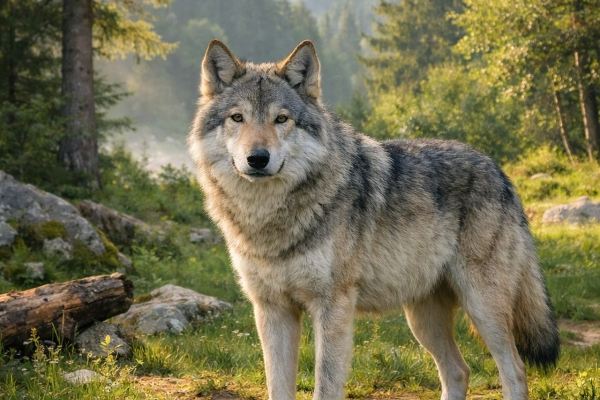
Trophy Hunting: What Lies Behind Killing as a Status Symbol?
Ibex Trophies, Hunting Abroad, and Switzerland's Role in the Global Trophy Market

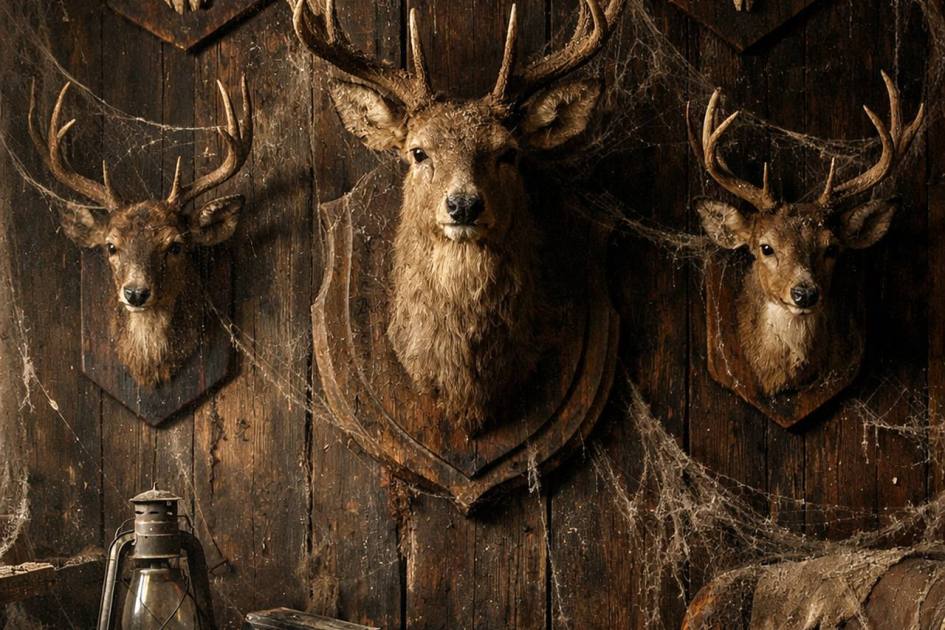
Trophy hunting is not about obtaining food — it is about killing an animal for the sake of its physical attributes: horns, antlers, fur, skull.
In Switzerland, ibex, deer, and other species are shot as trophies; internationally, an entire industry of hunting trips around the world is booming. Trophy hunting is the most concentrated expression of killing as a leisure pursuit.
What Is a Trophy?
In hunting parlance, a “trophy” refers to a body part of the killed animal kept as a souvenir: antlers, horns, skull, fur, tusks. The more imposing the trophy, the higher the prestige of the shot is considered to be. This logic governs trophy hunting worldwide: the target is not the average animal, but the largest, the strongest, the most conspicuous.
The Trophy Hunting Dossier analyzes what this practice reveals about the motives of hobby hunting and what ecological consequences it entails.
Trophy Hunting in Switzerland: Ibex and Red Deer
In Switzerland, trophy hunting is not prohibited — it is institutionalized. Ibex are allocated to hobby hunters through special permits, with hunters willing to pay considerable sums. The antlers of the killed animal are the objective, not the meat. The situation is similar with red deer: strong stags with imposing antlers are coveted objects, while the culling plans are officially justified on ecological grounds.
The Ibex in Switzerland documents this contradiction in exemplary fashion: the species was driven to extinction in the 19th century, painstakingly reintroduced, and is today once again available as trophy game.
International Trophy Hunting: A Global Industry
International trophy hunting is a multi-million-dollar market. Wealthy hobby hunters from Europe and North America pay thousands to hundreds of thousands of francs for hunting trips to Africa, Asia, and the Arctic. On the program are lions, elephants, rhinoceroses, polar bears, leopards — many of them endangered or threatened with extinction.
The Dossier on Recreational Hunting Tourism sheds light on this industry: hunting fairs, travel operators, outfitters — a global network of actors specializing in the killing of wild animals as a service.
The development aid argument
A recurring argument of the trophy hunting lobby is that revenues benefit local communities in poorer countries. Scientific scrutiny of this argument reveals: the share of trophy hunting revenues that actually reaches local communities is minimal. The bulk remains with international outfitters and government authorities. For wildlife conservation, photographic safari tourism is generally far more beneficial.
Kill photos: the aesthetics of killing
Photographs of the hobby hunter posing with the killed animal, so-called "kill photos," are an integral part of trophy hunting culture. They are shared on social media, published in hunting magazines, and displayed at hunting fairs. When these images reach a broader public, they regularly provoke outrage — a sign that societal majorities do not share the value system of trophy hunting.
The Dossier on Kill Photos analyzes what these images communicate and what double standards they expose.
CITES and the international trophy trade
The international transport of hunting trophies is regulated by the Convention on International Trade in Endangered Species (CITES). Nevertheless, trophies of endangered species continue to be legally transported, because CITES exemptions for hunting trophies exist and because control mechanisms are riddled with gaps. Switzerland, as a CITES signatory state, is simultaneously home to hobby hunters who regularly travel abroad for trophy hunting.
The Dossier on Recreational Hunting Tourism documents how this legal framework is exploited in practice.
Trophy hunting as social advancement
Trophy hunting is closely linked to status thinking. The most expensive hunting trip, the largest trophy, the most exclusive kill: this logic follows the same status dynamics as luxury goods. The Dossier Hobby Hunting as an Event analyzes how hobby hunting is staged as a status symbol and social occasion.
Ecological Selectivity and Its Consequences
The targeted removal of the strongest and most conspicuous individuals—those with the largest antlers or the longest horns—has ecological consequences: it removes from the population precisely those animals that are genetically and socially most significant. In the long term, this can lead to selection for smaller, less conspicuous individuals, which amounts to genetic impoverishment.
Conclusion
Trophy hunting is the purest form of hobby hunting as recreational amusement: without any interest in food, without ecological necessity, primarily motivated by status, ego, and a culture of killing as proof of achievement. In Switzerland, it is legally permissible and socially accepted within parts of the hunting milieu, yet in broader society it faces growing rejection. This societal discrepancy makes trophy hunting a symbol of an outdated logic.
Sources
- CITES (Convention on International Trade in Endangered Species): Trophy exemptions
- JSG (SR 922.0): Ibex special permits
- IUCN: Studies on trophy hunting and species conservation