Hunting pause during heatwaves and on burnt areas
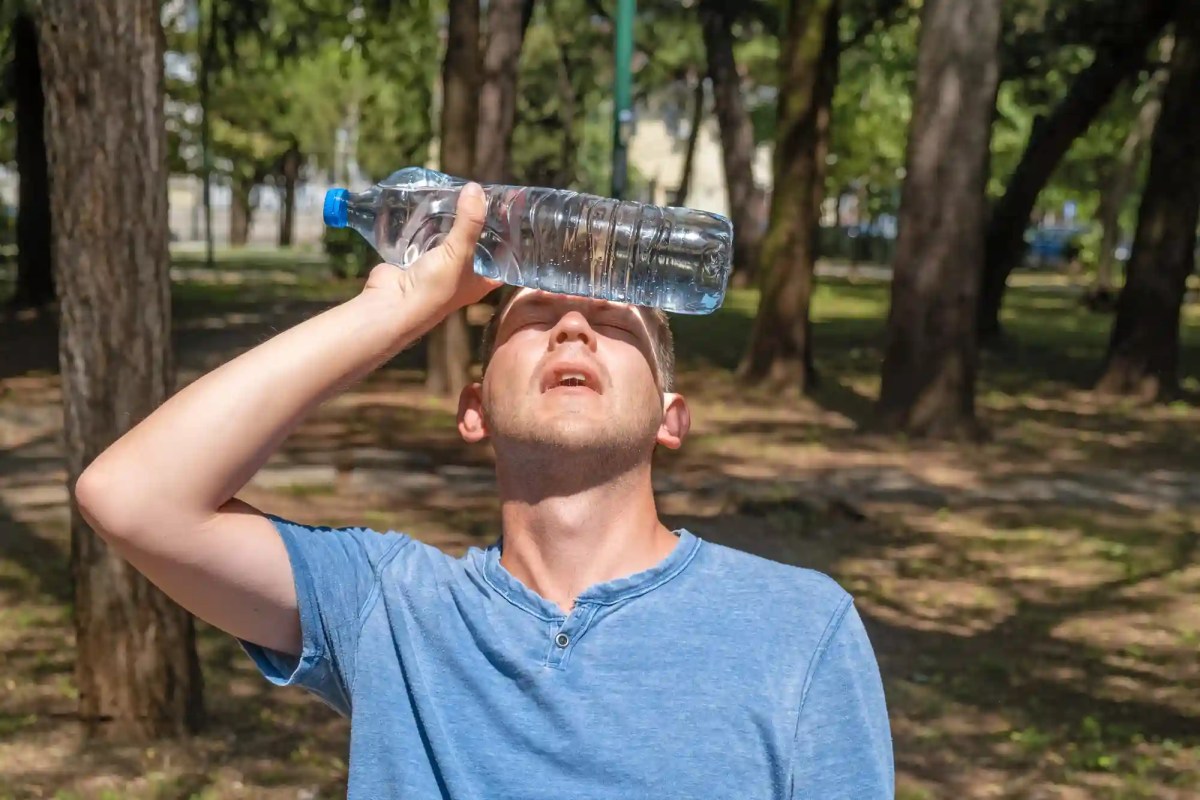
After heatwaves and fires, wild animals need rest rather than additional hunting pressure. The motion calls for automatic closure periods.
1. Motion
The Government Council is instructed to submit to the Grand Council a revision of the cantonal hunting legislation (………) suspending the practice of recreational hunting during extreme weather events and on fire-damaged areas in the canton of (………). The revision must in particular ensure that:
- recreational hunting is automatically suspended, without any individual official decision, during a heat warning issued by MeteoSchweiz from level 3 upwards, for as long as the warning applies and for the two following days;
- recreational hunting is prohibited on areas damaged by forest fire, as well as within a reasonable radius around these areas, for at least five years;
- in the case of exceptionally large-scale fires, the suspension period can be extended by the competent authority;
- the competent authority delimits the affected perimeters without delay, publishes them in a publicly accessible manner, and makes the lifting of the ban conditional on a documented assessment of the regeneration of habitat and wildlife population;
- any exceptions for interventions justified by epizootic control are conclusively regulated, time-limited and publicly justified.
In its proposal, the Government Council takes into account the necessary transitional provisions, in particular with regard to existing hunting plans as well as ongoing hunting arrangements.
2. Brief justification
Heatwaves and forest fires have increased in Switzerland and affect wild animals at a time when their energy balance is already at its limit. During prolonged heat, wild animals reduce their activity, depend on water and thermal refuges, and avoid open areas. The roe deer rut falls in the hottest weeks of the year; roe bucks then cover long distances, barely feed and lose body weight. Additional hunting pressure during this phase means avoidable suffering and increases the risk of botched shots and lengthy follow-up searches.
After a forest fire, food and cover are lacking for years. Studies from southern Europe show that burnt areas display hardly any natural regeneration even ten months after the event. Anyone who hunts the remaining animals in this situation prevents the recovery of the populations.
Notable is the prevailing unequal treatment: during heat warnings, sporting events are cancelled, animal transports are restricted and the public is advised to avoid the midday heat. The exercise of recreational hunting remains unaffected by this, even though hunting associations themselves point to the heat stress placed on wild animals.
Other states have corresponding instruments. In 2019, Portugal prohibited hunting on large-scale burnt areas including a protection zone until the end of the hunting season, by means of Portaria n.º 283/2019, because the regular closed period was judged insufficient. In Spanish regions there are multi-year usage restrictions for burnt areas. In Switzerland a comparable regulation is lacking.
The Federal Hunting Act sets the framework for the protection and use of wild mammals and birds. However, the cantons have considerable latitude in designing the hunting system, hunting planning and additional protective provisions. Within this latitude the canton (………) can introduce an automatic hunting pause during heat warnings as well as a multi-year closed period for burnt areas.
According to federal law, no canton in Switzerland is required to provide for recreational hunting. It is the right of the cantons to decide whether hunting is permitted or not. If a canton decides against, or even only partly against, hunting, it may freely do so under the Federal Constitution. The canton of Geneva chose this exemplary path long ago.
With the present motion, the Government Council is instructed to create a clear legal basis that effectively protects wild animals after extreme events, reduces avoidable animal suffering and adapts hunting practice to the reality of climate change.
Heatwave 2026: Wild animals under extreme stress and the hunt goes on · Climate change and wild animals in the Alps · How wild animals cope with high temperatures