How Wildlife Cope with Extreme Heat
Wildlife have developed remarkable strategies to survive extreme heat. Climate change is pushing these adaptations to their limits.

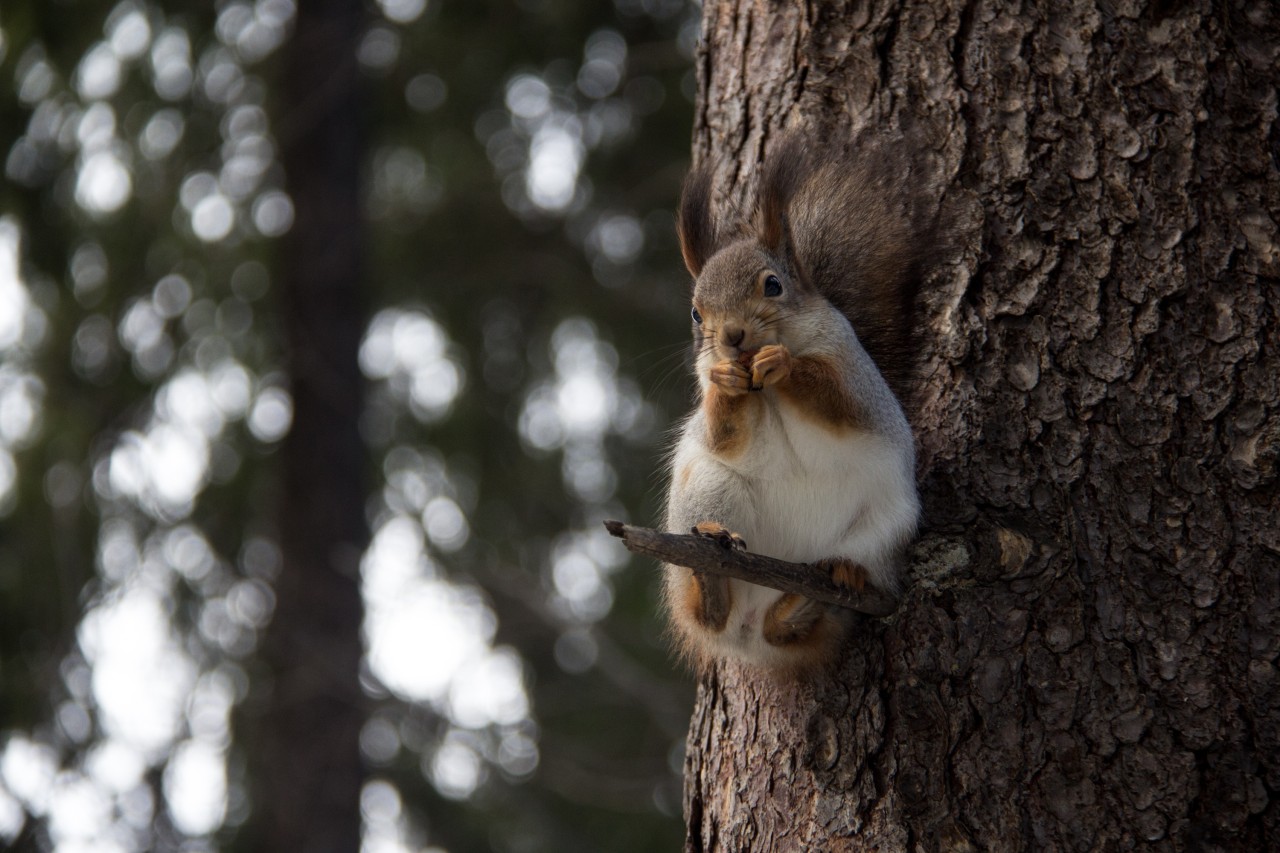
Foxes, hares & co. defy the summer heat with clever tricks: refreshing forest baths, siestas, or seeking out cool caves and burrows are just some of them.
After a brief cool spell, midsummer returns in the coming days. While we humans can fend off the summer heat with air conditioning and trips to the swimming pool, many wonder how wildlife in the forest actually manages. Do animals in woods and fields suffer under the scorching summer temperatures? “Yes and no,” say the forestry experts at ThüringenForst. While horses, like humans, sweat heavily when moving in the heat, deer, hares & co. have cool strategies for coping with the highest summer temperatures.
Wildlife barely “sweats” at all
Unlike humans or horses, forest animals do not sweat — or barely sweat — when moving. Many wild creatures have few or no sweat glands at all. Like domestic dogs or cats, they pant and evaporate saliva to cool their bodies. Hares use their long, sparsely furred ears as a built-in air conditioning system: in intense heat, blood flow to the ears increases significantly, releasing excess body heat.
Seeking refreshing water, a pleasant breeze, and cool underground burrows
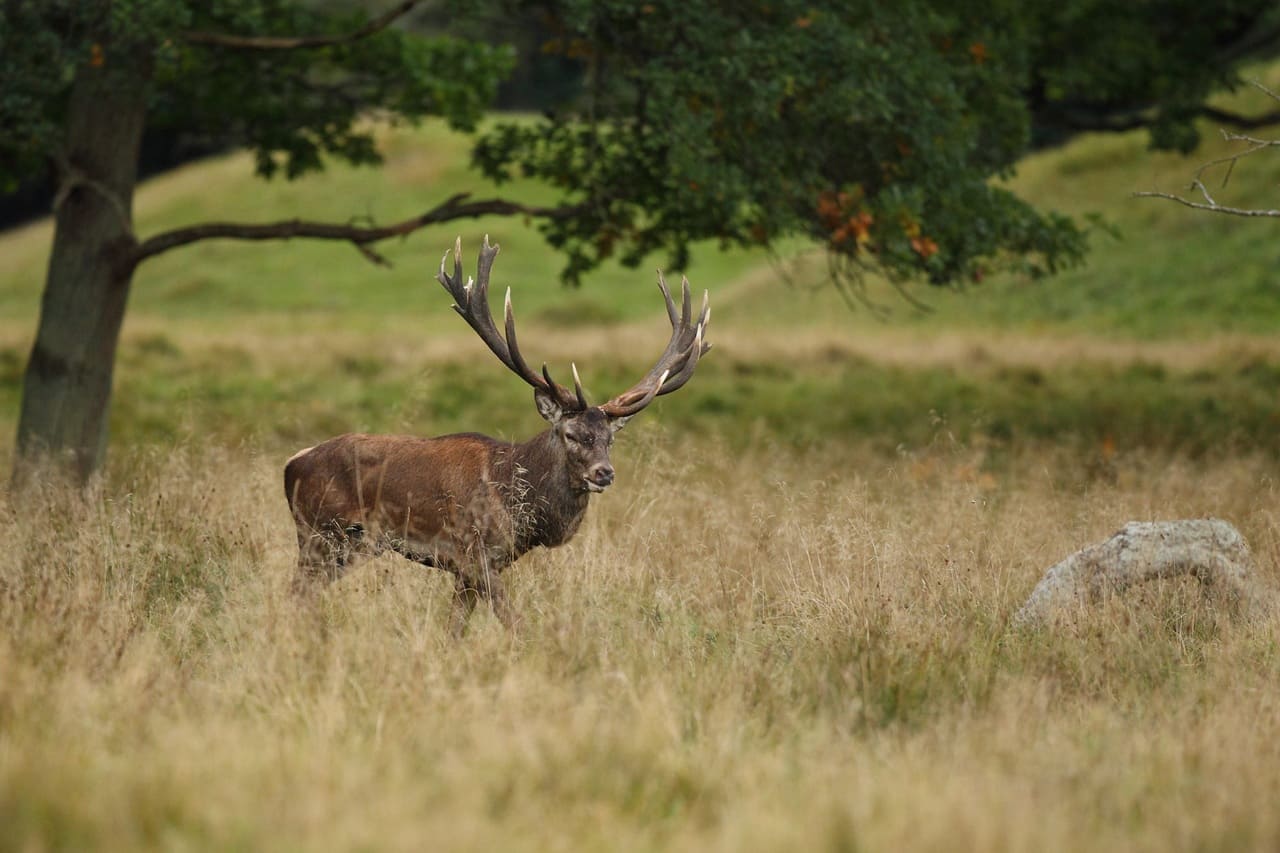
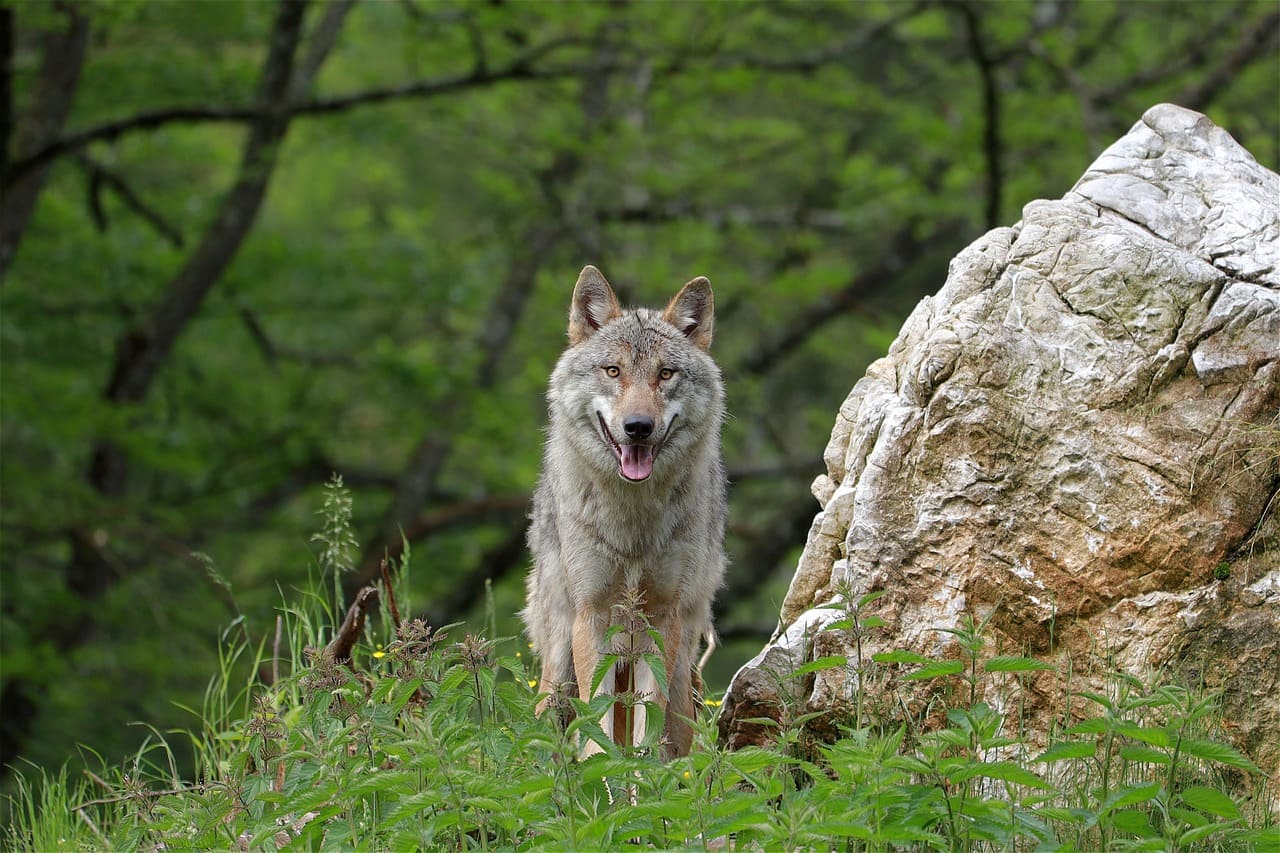
“As a general rule, all wildlife reduce their urge to move during summer and take a siesta specifically during the hottest midday hours,”explains Volker Gebhardt of ThüringenForst. Only during the cooler evening hours does wildlife become active again. Wild boar and red deer enjoy a cooling dip in marshy pools, and red deer even like to bathe in rivers. Squirrels climb to the tops of the tallest trees to enjoy the breeze in the“airiest”level of the forest. Badgers, foxes, and rabbits retreat into their cool underground burrows. Birds, too, find time for a refreshing break in the shade of leafy trees.
Roe Deer and Bad Timing: The Rut in the Middle of Peak Summer Heat
Roe deer are the only ones who don't take a summer break: of all times, July and August are their mating season, which means a few exhausting weeks especially for the roebuck. No wonder he loses a significant amount of weight. Hikers and nature lovers with four-legged companions should make sure to keep their dogs on a leash when walking through the cool forest, so as not to unnecessarily disturb wildlife from their siesta. Forest ponds and lakes serve not only the youngest members of a hiking family as a refreshing cool dip, but also animals as a welcome watering hole. Loud noise is out of place here, as it is throughout the entire forest — otherwise the anti-stress strategies of some wildlife won't work.
More on the subject of recreational hunting: In our dossiers on recreational hunting gather fact-checks, analyses and background reports. The scientific evidence is presented in the overview Studies on the Effects of Recreational Hunting.
The position of IG Wild beim Wild: IG Wild beim Wild rejects recreational hunting. Our model is the canton of Geneva, which has managed without recreational hunting since 1974: without hunting seasons, without hunting dogs, without driven hunts, without high seats, without the animal cruelty and crime that go hand in hand with hunting season elsewhere. What has worked there for over fifty years disproves every position paper by JagdSchweiz. An association that bases its policy on claims it refutes in its own documents is not a professional organisation, but a factory for misinformation.