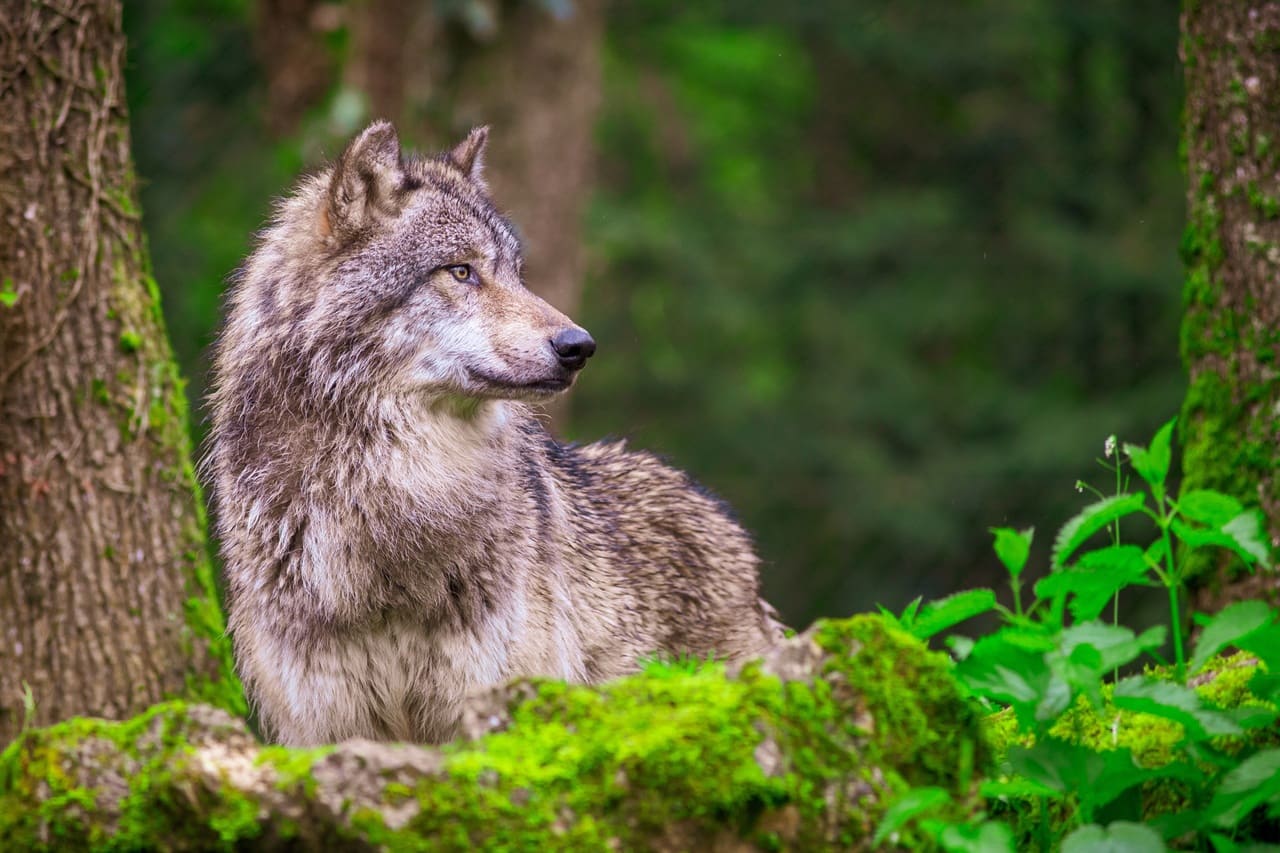
STS criticizes wolf shootings as a danger to packs
Planned wolf culls jeopardize the sustainable protection of livestock and pack structures.

The Swiss Animal Protection Association (STS) is deeply dismayed by the decision of the Federal Office for the Environment this week to authorize the culling of wolves in 21 packs.
From the STS's perspective, this measure does not represent a sustainable solution. It even poses significant risks to the stability of wolf packs and the protection of livestock in Switzerland.
In eight cantons, young wolves or entire wolf packs may be shot preventively. The Federal Office for the Environment (FOEN) has approved all regulatory applications, with one exception in the canton of Ticino, according to a fact sheet published by the Federal Office on Thursday.
Pack structures are key to conflict avoidance.
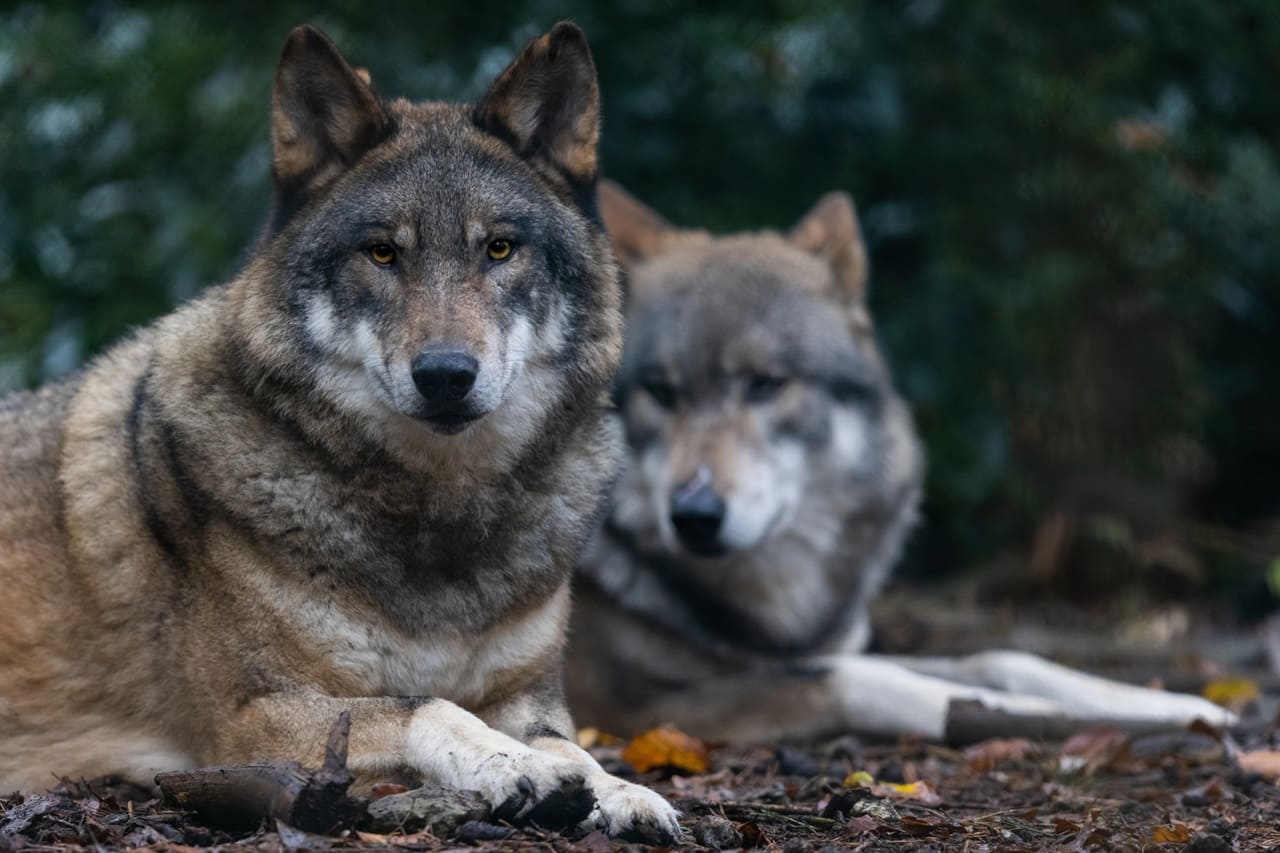
Wolf packs are highly complex social communities in which experienced alpha animals provide leadership. The targeted killing of alpha animals has far-reaching consequences: If a pack is deprived of its key individuals, its established structure collapses, and inexperienced young wolves or lone wolves migrate into the pack. These animals are often less wary and less experienced in hunting wild animals. As a result, they are more likely to prey on livestock and consequently cause more damage. Studies and experiences from other countries clearly show that in functioning packs with a stable structure, the likelihood of attacks on livestock tends to be lower. Therefore, these social structures must be preserved in the interest of both humans and animals.
Shooting down entire packs is not a sustainable solution.
The latest decisions by the Federal Office for the Environment (BAFU) not only allow for the culling of individual wolves, but also the removal of entire packs. The Swiss Animal Protection Association (STS) strongly rejects this practice. Removing an entire pack creates a "wolf-free zone" in the short term, but experience shows that wolves searching for their own territory quickly reoccupy these areas. This results in unnecessarily high losses, renewed conflicts, and puts genetic diversity under pressure – a vicious cycle is set in motion that burdens both sides. Wolves are part of a natural balance. A responsible approach to this species means respecting pack structures and actively promoting their preservation – a central concern of the STS.
Increased risk due to altered hunting strategies
It is particularly alarming that the culling of dominant wolves or the decimation of packs can lead to altered hunting strategies. The remaining wolves are often less experienced, increasingly seek proximity to human settlements, and are less deterred by humans. This increases the risk of attacks on livestock and creates additional difficulties for farmers. Sustainable coexistence between humans and wolves is only possible if wolves are recognized as socially intelligent beings and protected accordingly. Repressive culling policies, on the other hand, lead to an escalation and undermine the efforts of many farmers to effectively protect their herds.
STS demands
The Swiss Animal Protection Association (STS) therefore urgently calls on the Federal Office for the Environment (BAFU) to reconsider the permits and to work with experts from science, nature and animal conservation, and agriculture to find sustainable and effective solutions. Culling should only be used as a last resort – and not as part of a short-sighted and blanket strategy. Instead, differentiated approaches are needed: the protection of livestock must be improved through targeted preventative measures, pack structures must be preserved, and public acceptance of wolves must be strengthened.
The STS also calls for a uniform, scientifically based practice for the culling and management of wolves. This includes the development and updating of a nationwide wolf management plan by the Federal Office for the Environment (BAFU).
Further reading
- Swiss meadows are losing biodiversity massively
- When sheep, cattle, and other livestock occupy space belonging to wild animals
- Swiss animal protection criticizes planned wolf culls as a danger to pack structures and livestock protection.
- Wolf incompetence is rampant in Graubünden.
- Val Fex: When the livestock protection concept has more holes than the fence
- Shooting instead of protection – Switzerland on the path to silent wolf extermination
- Communication failure at the Office for Hunting and Fishing Graubünden
- Illegal wolf hunting in Switzerland
- Wolf pups in Switzerland under fire
- Switzerland sells massacre of wolves as a success
- Sloppiness in Katrin Schneeberger's office
- Grazing by livestock alters the soil, plants, and insect populations.
- The insane hunt for wolves in Switzerland
- The truth about sheep mortality in Switzerland: causes and statistics
- Wolf culls in Switzerland: Concern about party politician Albert Rösti
- Let's stop the SVP's destructive fury
- Participatory campaign: An appeal for change in Switzerland
- 200 environmental organizations from 6 continents are calling on the Swiss government: Stop the wolf cull
- The Federal Council is being heavily criticized by wolf experts.
- The consequences of controversial wolf management in Switzerland
- Wolf: Federal Councillor Rösti (SVP) is circumventing law and order
- Es Burebüebli mahn i nit
- Are the Federal Office for the Environment (BAFU) and the hunting authorities still working responsibly?
- Federal Councillor Albert Rösti is trampling on the will of the people.
- The consequences of controversial wolf management in Switzerland
- Too many sheep harm biodiversity.
- Agricultural use destroys alpine meadows
- Cracks despite herd protection – how is that possible?
- The bad apple in the St. Gallen hunting administration
- Pro Natura calls for a comprehensive strategy for sheep summer grazing.
- According to an Agridea study, livestock guarding with dogs works well.
- Thanks to livestock protection measures, wolves are killing fewer farm animals in Switzerland.
- Farmers see fields as a dumping ground.
- Biomass of wild animals
- From sheep farmers and vague authorities
- The double standards of the wolf opponents