Romania Wants to Count Bears
Romania is conducting its first-ever brown bear census using DNA analysis. Animal welfare advocates fear that the results could legitimise recreational hunting.

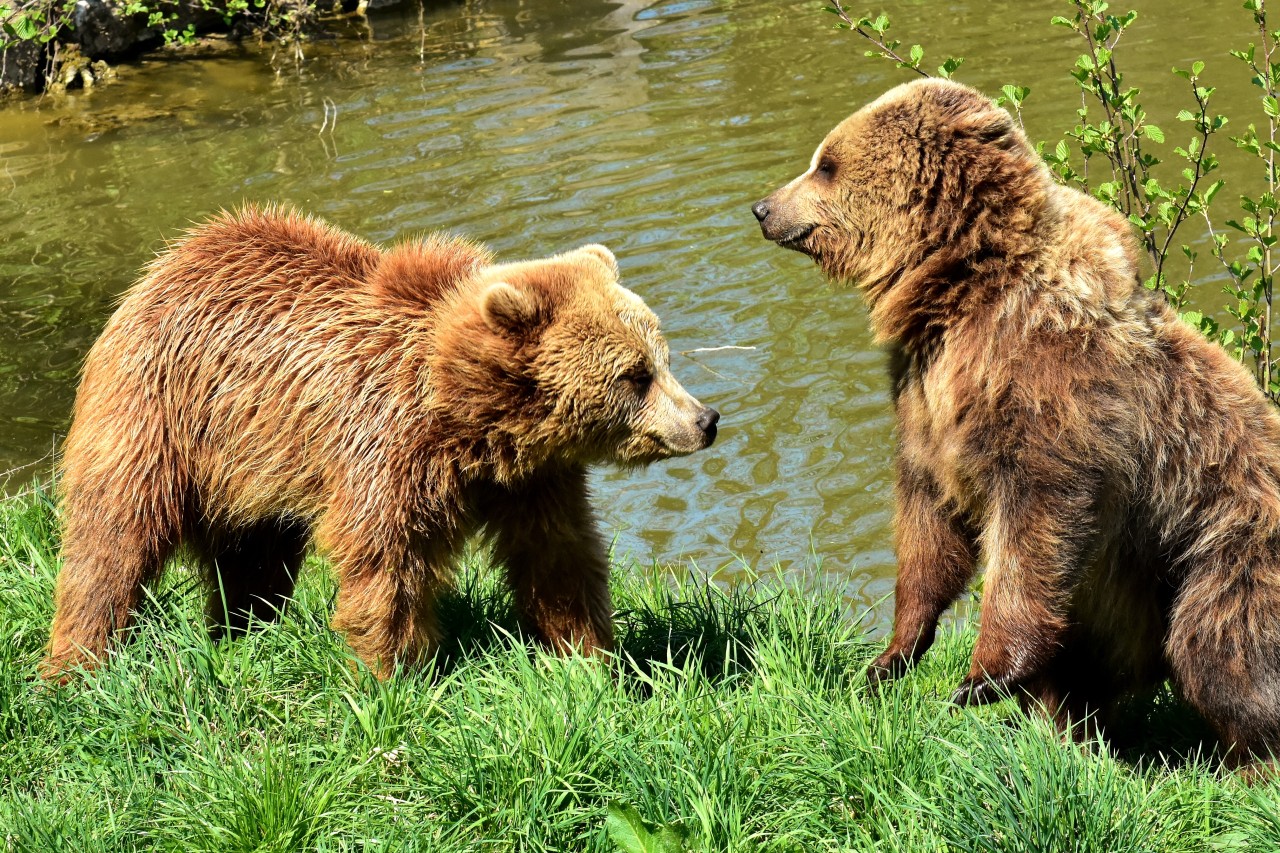
Romania will soon conduct a count of its brown bears using DNA data for the first time.
«In the coming months, 400 specialists and volunteers will collect samples of droppings and hair on-site for DNA analysis", said Environment Minister Barna Tanczos.
This has caused tensions between villagers who fear further attacks and conservationists who warn against a relaxation of hunting laws.
Loophole in the hunting ban is being abused
A loophole in the hunting ban that permits the shooting of so-called problem bears is already being abused, say activists, who fear a rise in killings if the census finds that the protected species is not as endangered as believed.
Trophy hunting, which attracted recreational hunters from around the world in pursuit of a “trophy,” has been banned since 2016 to protect the species, although NGOs have at times drawn attention to violations — as in the case of the Liechtenstein prince accused of killing Romania’s “largest” bear, nicknamed Arthur, in March during a recreational hunt.
The aim of this project, financed by Brussels with 11 million euros, is to “determine the size of the bear population.” According to estimates from the 1990s, around 6,000 of these wild animals live in the country’s ancient forests — the largest number in Europe (excluding Russia).
Anger following a series of attacks
Frustration over the growing number of attacks — around 100 in the past three years — is mounting. At the end of July, one shepherd was seriously injured, and another, who had managed to flee, was found dead 300 metres away with bite and claw marks. The cause is to be found primarily in the shrinking habitat of bears.
Until now, only the tracks left by bears in the snow or mud had been recorded. By collecting feces and hair, a database can now be built in which each sample is stored with a barcode, according to the minister.
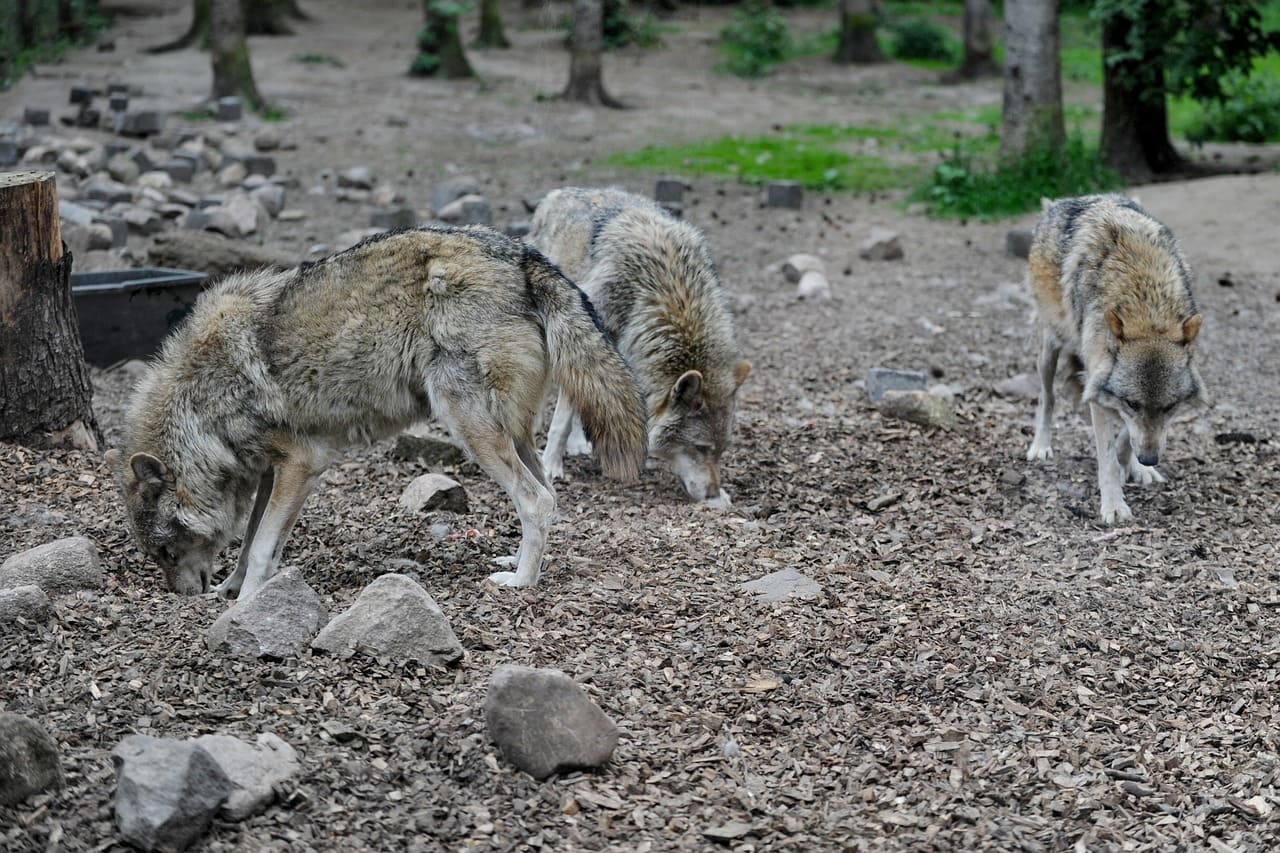
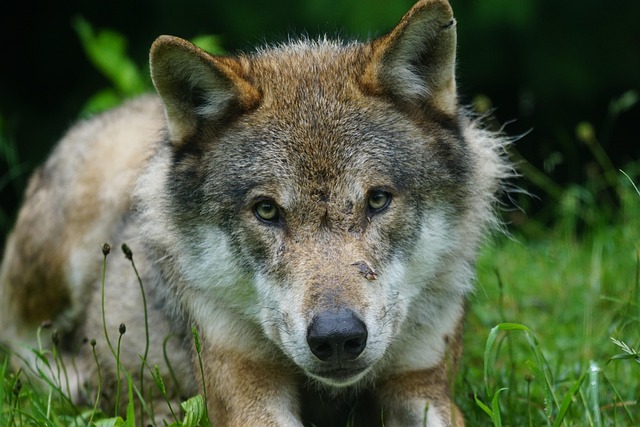
Robin Rigg, president of the Slovak Wildlife Society, is familiar with this method, which he has applied in the counting of wolves . It can provide a wealth of information, such as the sex of the animal or possible family ties to conspecifics. What is important is to cover a large area and “collect three times as many samples as the expected number of animals,” according to Djuro Huber, professor at the University of Zagreb (Croatia).
Toward a resumption of recreational hunting?
Without questioning the value of this project — which also includes the establishment of the first public bear sanctuary — animal welfare advocates fear that it could pave the way for a resumption of recreational hunting if it turns out that there are too many bears.
Cristian Papp, a representative of the WWF , calls for “transparency in the collection and interpretation of data.” A recently issued decree is already cause for concern: in an effort to reassure the population, the government — which until now was the only body authorized to approve the killing of bears on a case-by-case basis — has decided to grant local authorities the right to decide on the life or death of a problem bear.
Frightened villagers
Under the pretext of their dangerousness, a massacre is being prepared against these often starving animals, victims of deforestation, the reduction and destruction of their habitat, and attempts by hunting associations to demonize them.
Brigitte Bardot Foundation
“These accusations are unfounded,” said Tanczos. “A bear is only shot in critical situations when it endangers human lives,” and “relocation” away from settlements is preferred.
For Marton-Csaba Bacs, mayor of the village of Bixad, “the situation has become untenable.” “Every day bears raid orchards, attack sheep, and have even entered the courtyard of the clinic,” he complained.