Wild beim Wild: Facts, Dossiers and Criticism of Recreational Hunting
There are topics where public debate has been stuck in a rut for years. Recreational hunting is one of them. In media, government statements and association communications, much sounds the same: "game management," "population regulation," "avoiding wildlife damage," "nature conservation through hunting." Once people hear these terms often enough, they quickly believe it's the whole truth.


This platform exists because we won't accept that.
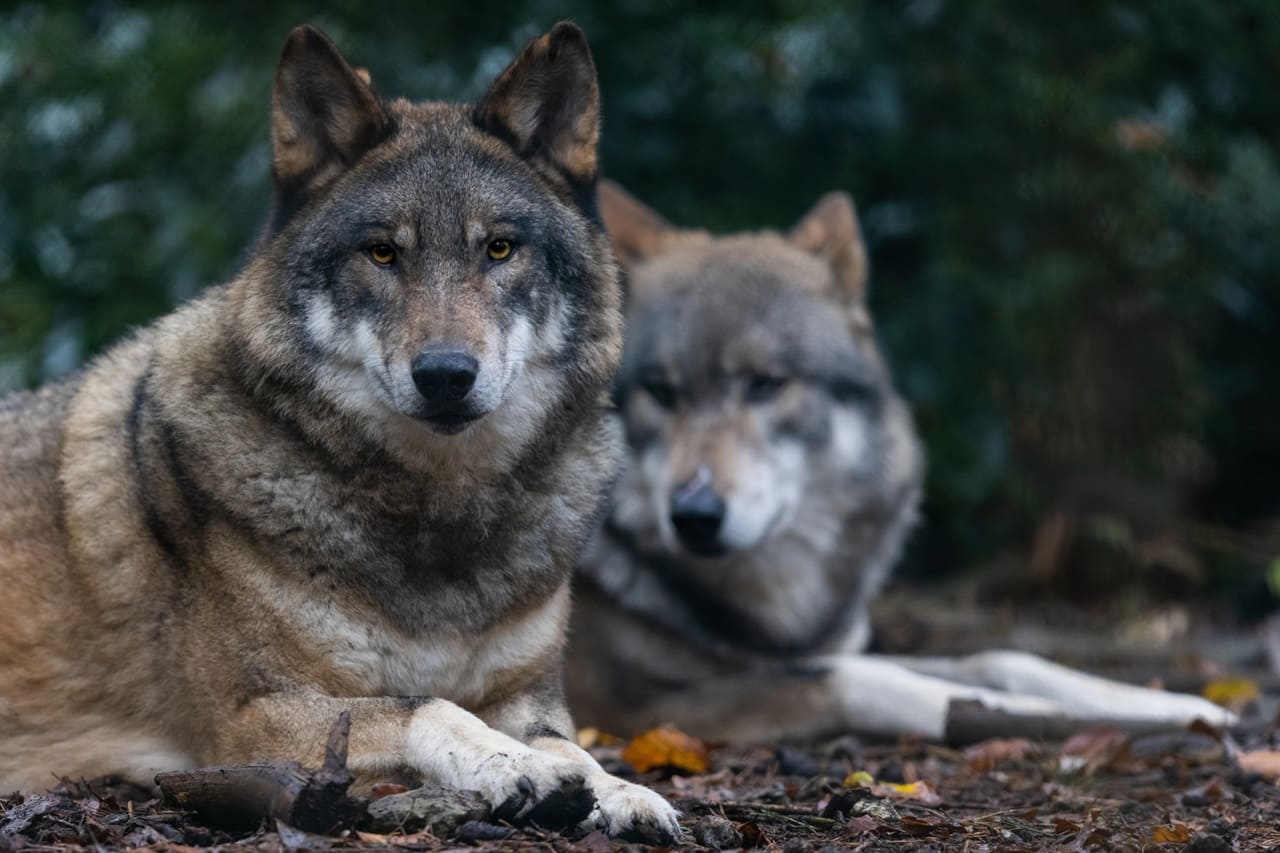
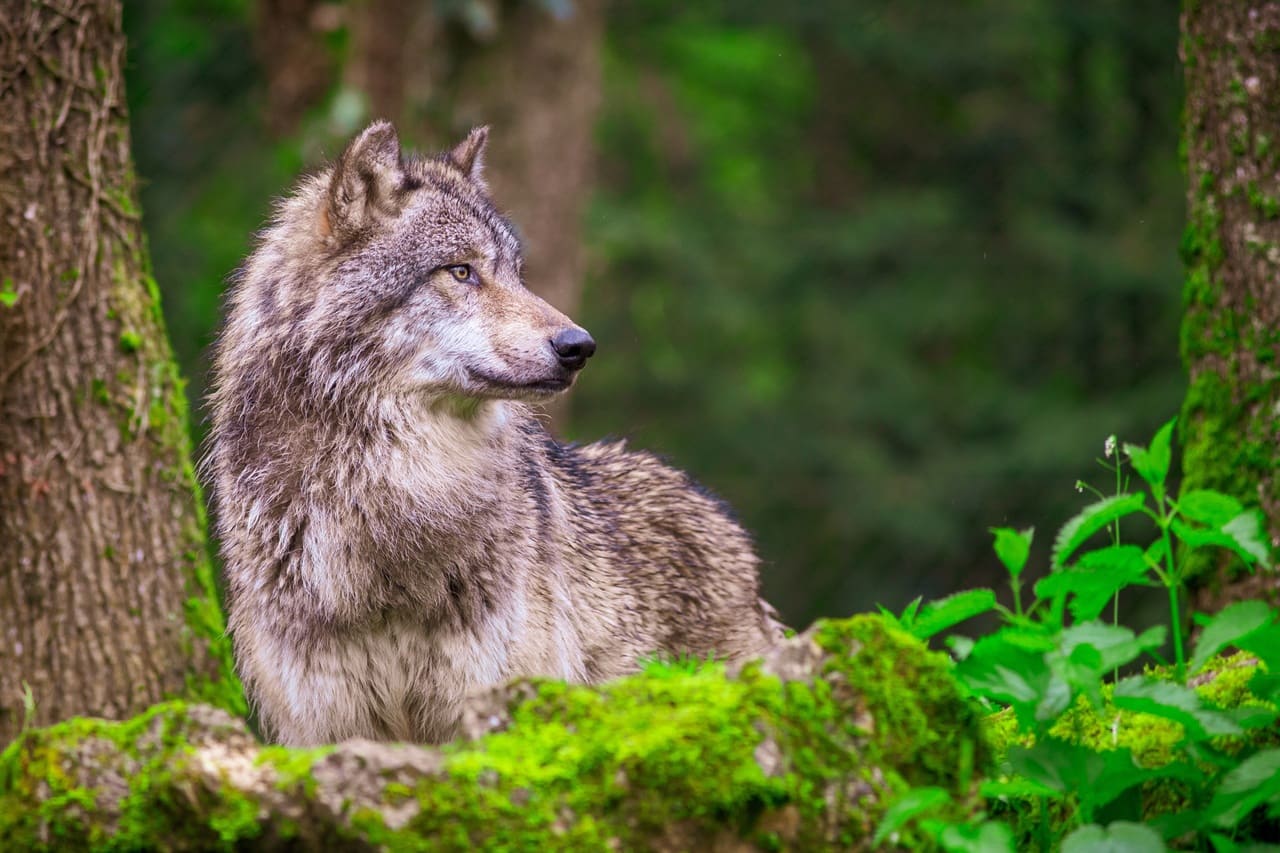
Wildlife are not resources to be "regulated" as needed. They are sentient beings with needs, habitats, social structures and stress reactions. Yet when hunting is discussed, the focus is often not on the animal, but on interests. On tradition, leisure, power over land, political networks and narrative control. And too often, criticism of this is dismissed as "emotional," even though hunting communication itself thrives on emotion, imagery and storytelling.
Here, in 2026, something different should happen: more facts, more context, more straight talk.
What wildbeimwild.com delivers
We research, contextualize and document. We scrutinize claims, break down terminology and expose the interests behind it. We write about wildlife, about animal protection, about hunting practices, about lobbying and about political decisions that often fly under the radar. And we explain things in ways that can be shared, cited and used in discussions.
What you can expect here:
- Dossiers that comprehensively examine a topic, with sources and transparent argumentation
- Current analysis when a case, campaign or policy proposal makes headlines
- Fact checks of typical hunting claims, clearly and rigorously substantiated
- Concrete action options for how to inform yourself, engage, or have political impact
What you won't get here:
- Hunting romanticism and PR
- Sweeping generalizations that generate more noise than impact
- Claims without sources
Why recreational hunting must be questioned
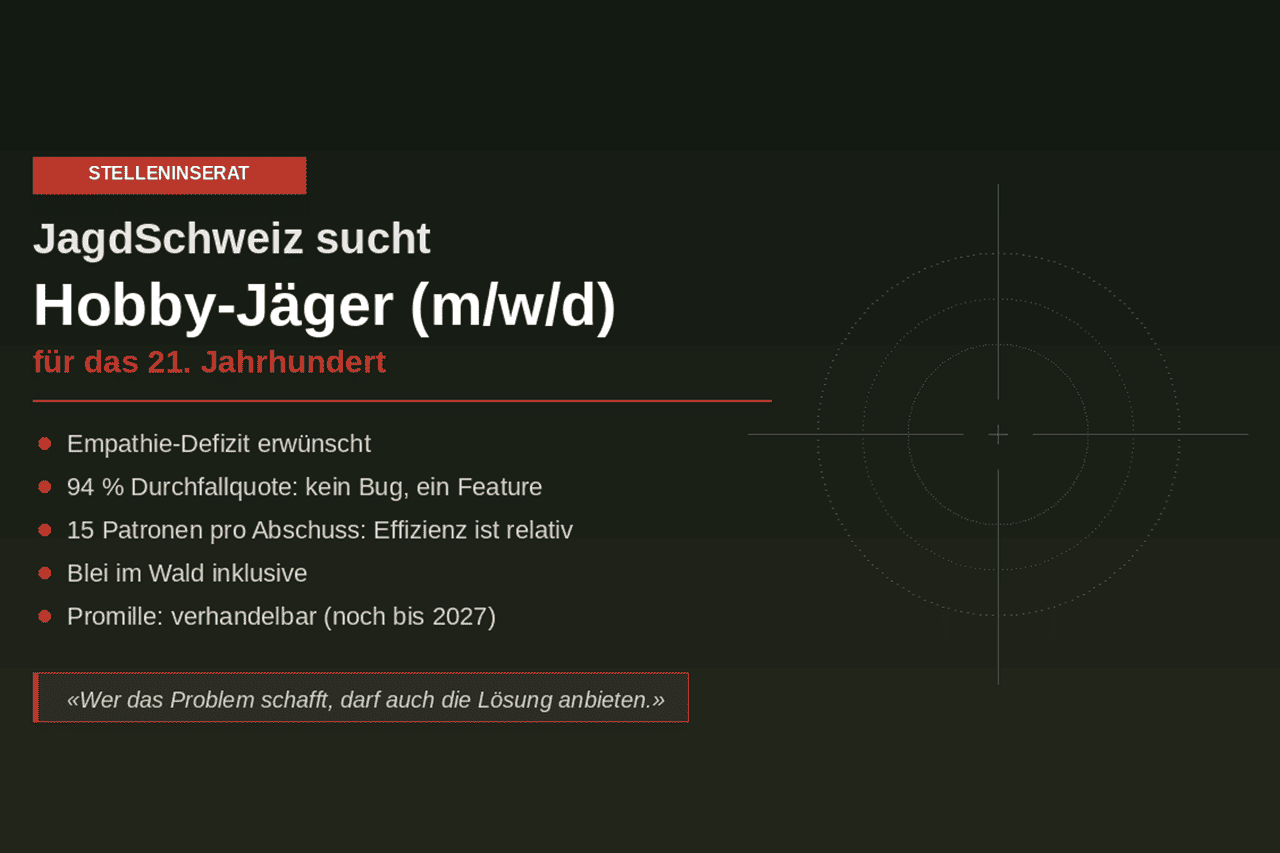
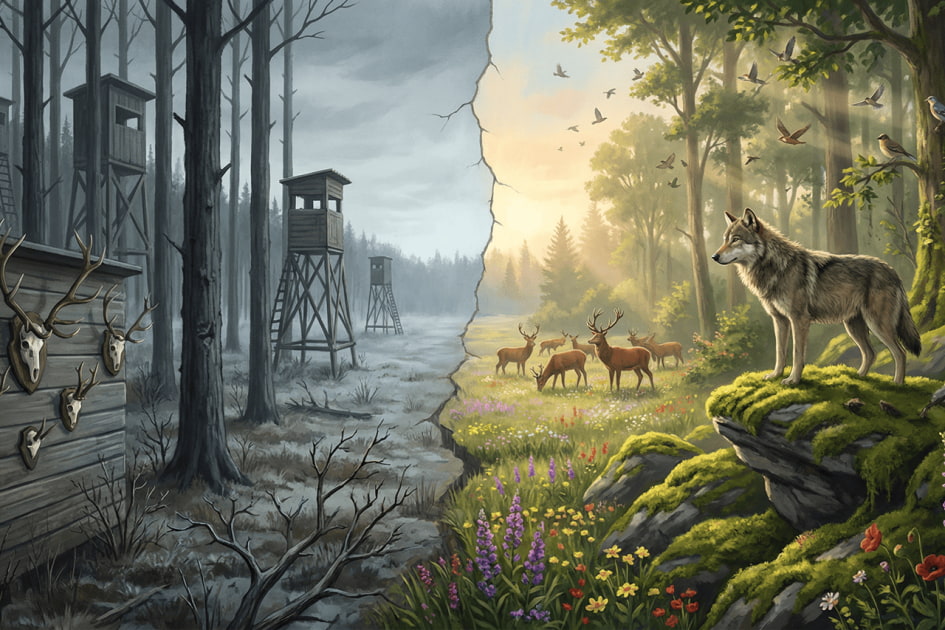
In Switzerland, around 30,000 recreational hunters kill over 100,000 wild animals annually. Whether these killings are ecologically necessary is highly disputed in scientific circles. The Geneva model has demonstrated since 1974 that professional wildlife management works without recreational hunting, with measurably better biodiversity outcomes. Our study collection documents the scientific evidence.
Stay informed and take action
We believe change happens when people are well informed. Not through outrage alone, but through solid evidence that cannot simply be dismissed. That is exactly what IG Wild beim Wild does.
If you are interested, subscribe to the newsletter or share an article that matters to you. Reach is not an end in itself, but it determines whether facts stay in the conversation or get drowned out by loud narratives.
Further entry points: Alternatives to recreational hunting, Hunting and biodiversity, The animal welfare problem of recreational hunting.
Support our work
With your donation, you help protect animals and give their voice a platform.
Donate now →