By-product of milk production: The suffering of calves
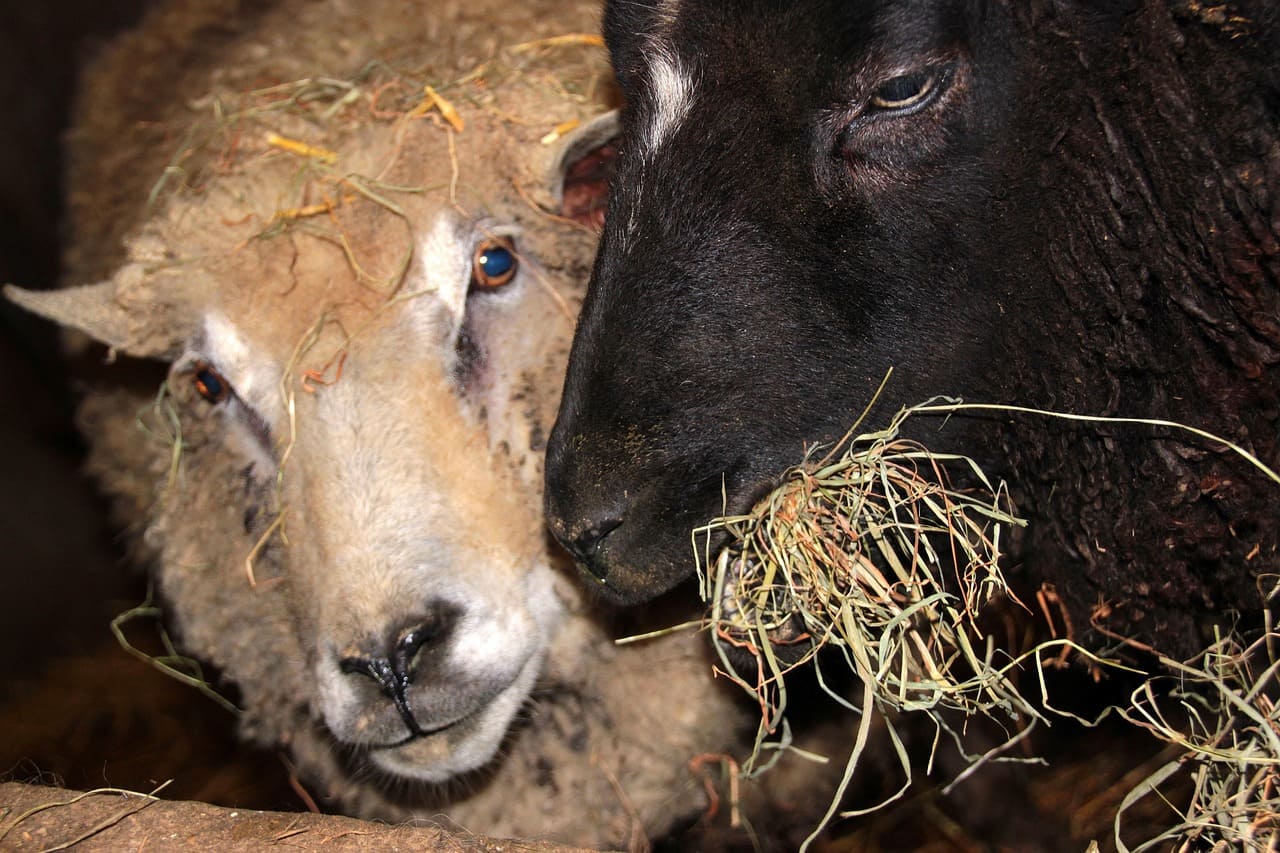
Sheep and goat milk are on the rise. The meat of these animals, particularly goat meat, is less so. An unfavorable combination for farmers and animals alike. On one hand: no milk without births. On the other hand: what to do with the young animals? The line between sentient being and unwanted by-product is a fine one.


Although something of a niche product, dairy products from both sheep and goats are enjoying growing popularity among consumers. Lamb meat also sells well. In domestic goat farming, however, meat production plays a minor role. And even when goat or kid meat does make it to the table, 38 percent (2017) of consumption is imported – despite a seasonally abundant domestic supply.
«Waste products»
The trend toward goat milk production is leading to a growing supply of kids destined for slaughter.So that humans rather than the young animals receive the milk, the newborns are separated from their mothers shortly after birth. Raising the young animals is barely profitable, and so it is common practice for the young to be sold by dairy operations to traders when they are just two to three days old. By the time they arrive at the slaughterhouse after only six to eight weeks, they have often spent their brief lives across several farms and traveled considerable distances. The animal welfare inspection service STS is familiar with the sight of visibly starving and ailing kids at the slaughterhouse gate.And because goats and sheep are currently not required to be registered in the animal movement database, the winding journeys these small animals have already been on can only be guessed at. At least this is set to change with the registration requirement coming into force next year.
Newborn and worthless
The fact is that young kids in particular have hardly any value. As unwanted by-products, they are disposed of on some fattening operations through inadequate housing conditions and a lack of care. From the perspective of the Swiss Animal Protection STS, an urgently needed improvement of the situation could be achieved through the targeted promotion of dam-reared husbandry, or at least fattening at the farm of birth.
The STS calls on both the federal government and retailers to make greater efforts to promote sales and to ensure prices that cover production costs for Swiss kid and lamb meat. Importing cheap meat from abroad while domestic rearing and marketing of young animals is not worthwhile for farmers runs counter to animal welfare.
Texts | Fact Sheets | Links
Competence Centre for Farm Animals | Inspection Service Swiss Animal Protection STS
Kids and Lambs ( Spring 2019 )
a video by Fausta Borsani, agricultural economist and author
Are goats like humans, or is it the other way around?
The behaviour of goats [ STS Fact Sheet ]
Sheep are not stupid, they are simply highly developed herd animals
The behaviour of sheep [ STS Fact Sheet ]
[ Link ] Keeping goats
Federal Food Safety and Veterinary Office FSVO
[ Link ] Keeping sheep
Federal Food Safety and Veterinary Office FSVO
More on the subject of recreational hunting: What the research says about this is shown by Hunting fact-checked: the state of research.
The position of IG Wild beim Wild: IG Wild beim Wild rejects recreational hunting. Our model is the canton of Geneva, which has managed without recreational hunting since 1974: without hunting seasons, without hunting dogs, without driven hunts, without high seats, without the animal cruelty and crime that go hand in hand with hunting season elsewhere. What has worked there for over fifty years disproves every position paper by JagdSchweiz. An association that bases its policy on claims it refutes in its own documents is not a professional organisation, but a factory for misinformation.