Lynx kills eight fallow deer in Krattigen: canton rejects kill
The lynx got in through a badger hole under the fence. Protection against burrowing had been recommended after an earlier incident.
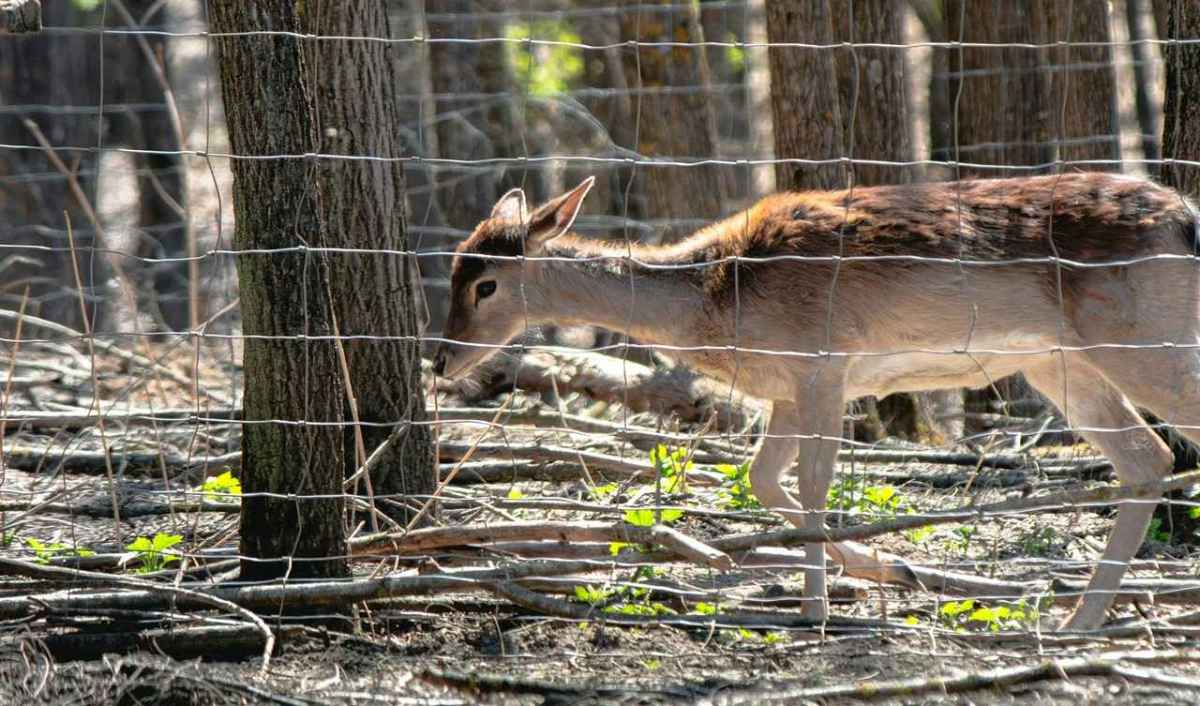
Illustrative image. Photo: skyfonix / Unsplash
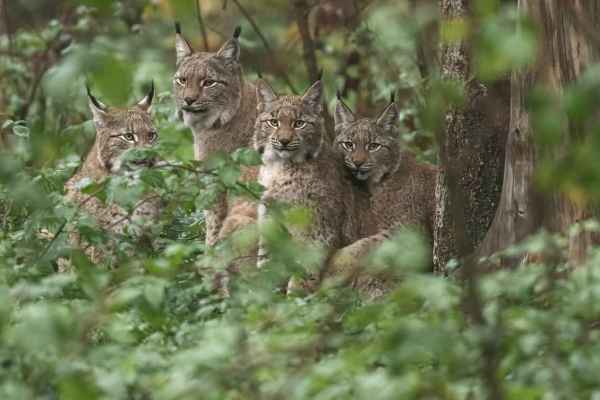
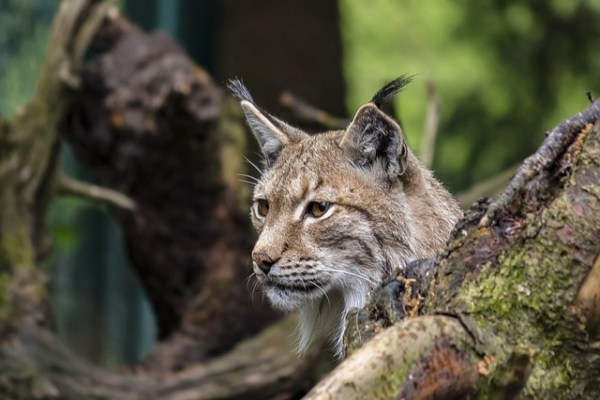
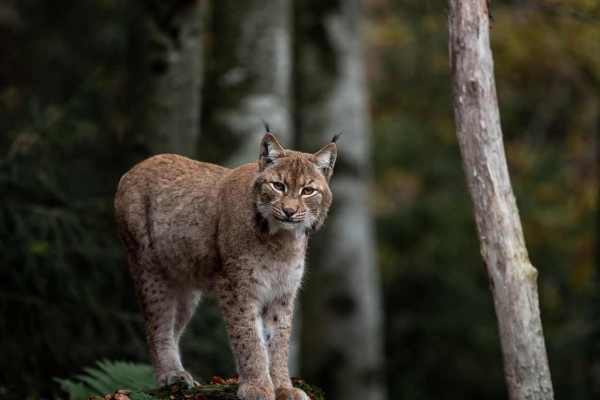
In an enclosure in Krattigen above Lake Thun, a lynx killed eight fallow deer. An association is demanding that the protected predator be shot. The Bern hunting inspectorate rejects a kill.
What happened in Krattigen
According to the «Berner Zeitung» the lynx killed eight fallow deer in the enclosure of a farm in Krattigen. It got into the enclosure through a hole that a badger had dug under the wire fence. After an earlier incident, the hunting inspector had proposed protection against burrowing. That protection was missing. According to the newspaper, the canton reimbursed the damage as a goodwill gesture.
Radio BeO reported that the wildlife wardens had confirmed the lynx as the culprit. TeleBärn reported on the case on 16 November.
Video: The TeleBärn report of 16 November on the lynx in Krattigen
Demand for a kill and the refusal
The «Association for the Protection of Wild and Farm Animals from Large Predators in the Canton of Bern» is demanding a kill. The Bern hunting inspectorate rejects it. The federal enforcement guidance supports this decision: under the Lynx Concept Switzerland of the Federal Office for the Environment, «unprotected New World camelids and cervids in enclosures» are not to be recognised when a canton examines whether the criteria for a kill permit are met.
Why an enclosure becomes a trap
In an enclosure, prey animals have only limited ability to evade a lynx. The fact that a predator kills more animals during a hunt than it needs for immediate feeding is known as «surplus killing». The reports do not make clear exactly how the hunt unfolded in the Krattigen enclosure.
The Lynx Concept Switzerland states that cervids in enclosures should be protected from lynx, and the federal government can support such protective measures. Protection against burrowing is a simple, well-known measure for this purpose.
The lynx in the Bernese Oberland
The lynx has a hard time in the Bernese Oberland. On Lake Thun, a poacher shot a mother lynx in 2017, and in 2022 the canton authorised the killing of a lynx in the Bernese Oberland. Background on population, protection status and conflicts across Switzerland can be found in the dossier “The Lynx in Switzerland”.
Comment: Killing the lynx would not have closed the hole in the fence
Eight fallow deer are dead. The case shows why protecting the non-human animals in the enclosure must take priority: after an earlier incident, anti-burrowing protection had been recommended. According to the “Berner Zeitung”, it was missing when the lynx entered through the hole under the fence. Killing the lynx would not have fixed this weak point.
The Bernese hunting inspectorate was right to refuse the kill. What remains in need of explanation is the payment made as a goodwill gesture, according to the “Berner Zeitung”. The Lynx Switzerland concept provides that damage to cervids in enclosures is compensated in the first instance of damage. In the event of further damage, compensation should be paid only if reasonable protective measures were taken after the first instance. The reports do not make clear whether the earlier incident in Krattigen counted as such a first instance of damage. The canton should explain why it paid in this case.
Seen something yourself?
A driven hunt next to a hiking trail, a shot fired near houses, a trap in the forest or an injured wild animal: report it to the Recreational Hunter Radar. We check every tip-off and treat your details confidentially.
More on the subject of recreational hunting: In our dossiers on recreational hunting gather fact-checks, analyses and background reports. What the research says about this is shown by Hunting fact-checked: the state of research.
The position of IG Wild beim Wild: IG Wild beim Wild rejects recreational hunting. Our model is the canton of Geneva, which has managed without recreational hunting since 1974: without hunting seasons, without hunting dogs, without driven hunts, without high seats, without the animal cruelty and crime that go hand in hand with hunting season elsewhere. What has worked there for over fifty years disproves every position paper by JagdSchweiz. An association that bases its policy on claims it refutes in its own documents is not a professional organisation, but a factory for misinformation.
Wild animals need a voice
Once a week: investigations, petitions and background on recreational hunting. As a thank-you, you will immediately receive our free guide “Recreational hunting on your doorstep: what you can do”. Free of charge and you can unsubscribe at any time.
Support our work
With your donation you help protect animals and give their voice a hearing.
Donate now →