Yellowstone: Recreational Hunters Kill 20 Wolves
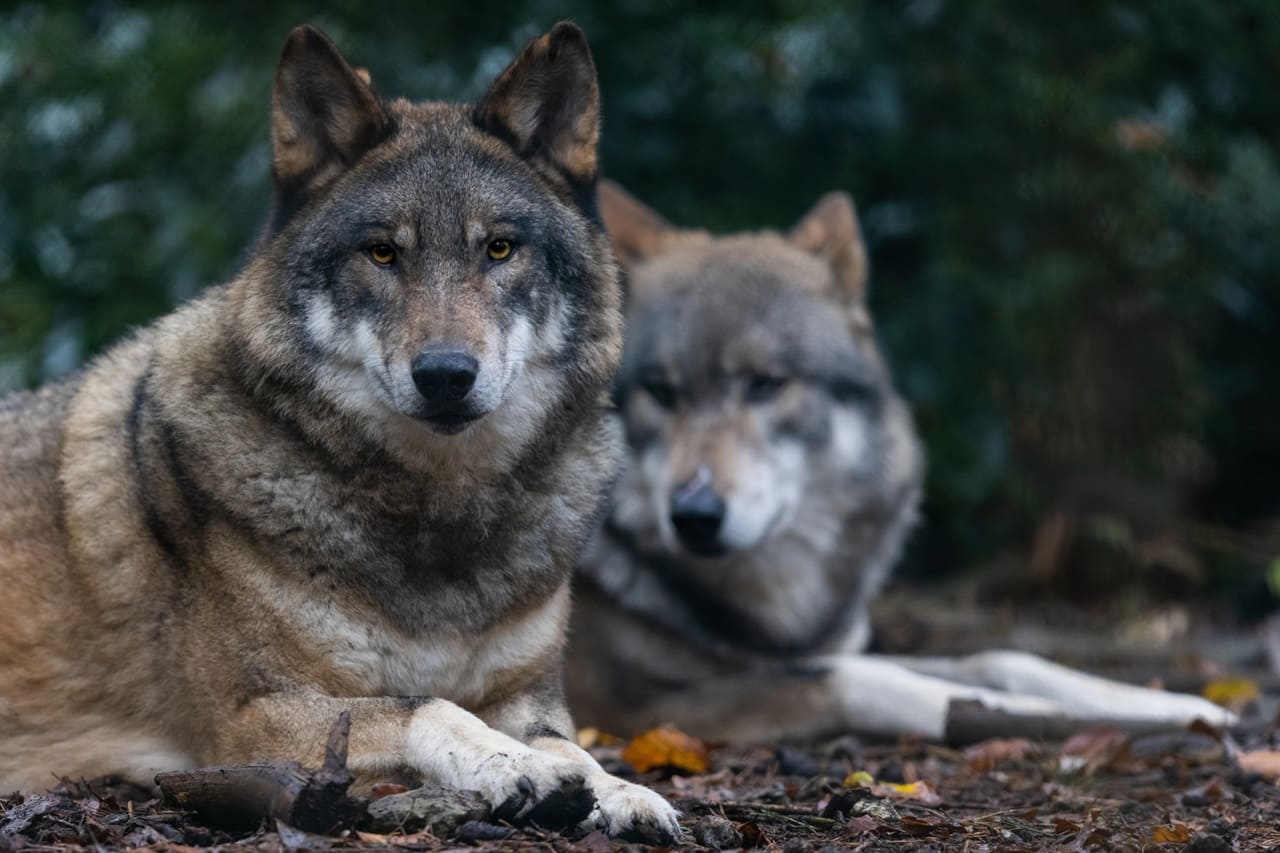
20 wolves from Yellowstone National Park were killed by recreational hunters after leaving the park. An entire pack is considered wiped out.

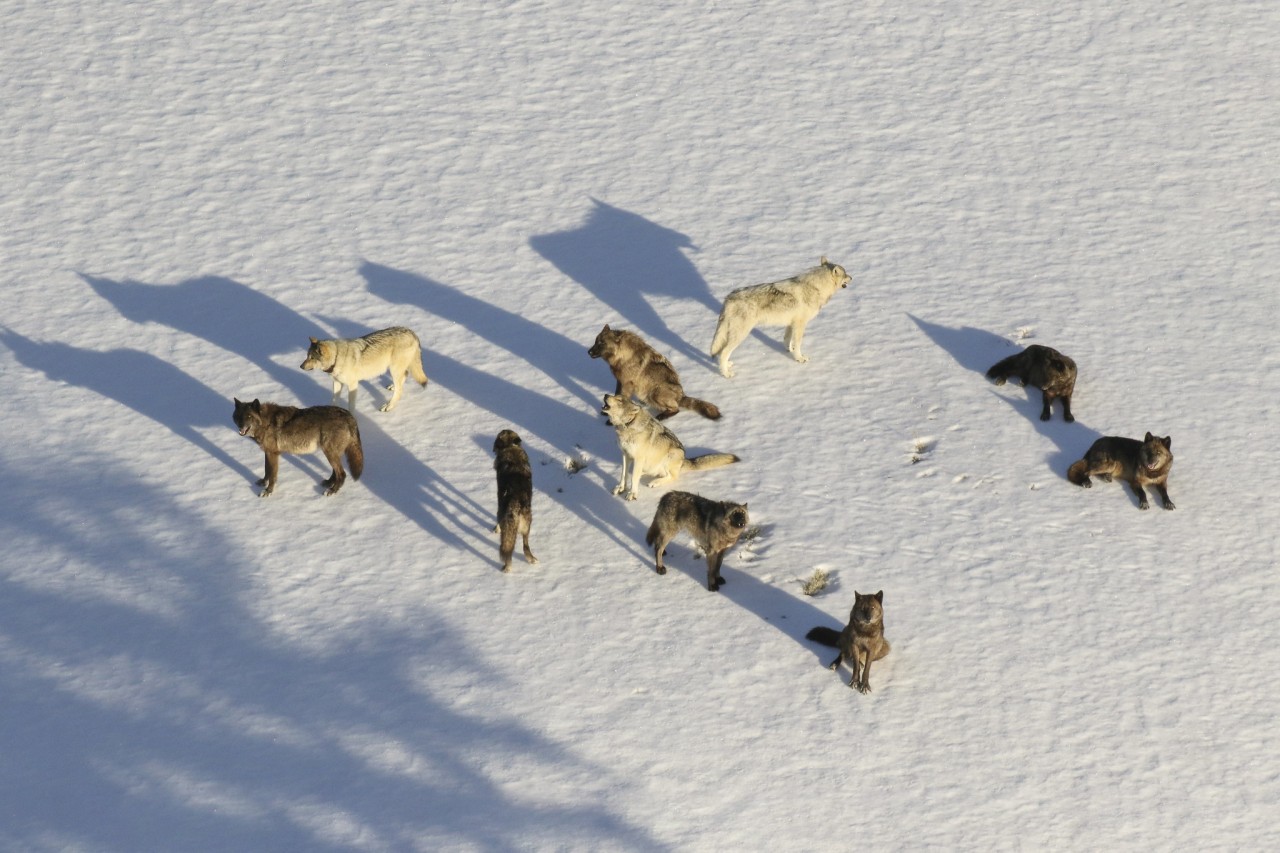
Twenty of Yellowstone National Park's famous gray wolves left the park and were shot by recreational hunters in recent months.
This is the most killed in a single season by recreational hunting since the predators were reintroduced to the region more than 25 years ago, according to park management.
Fifteen wolves were shot after crossing the park's northern boundary into Montana. Five more died in Idaho and Wyoming.
Park management stated that the deaths represent “a significant setback for the long-term survival of the species and for wolf research.”
Entire Pack Wiped Out
One pack, the Phantom Lake pack, is now considered “eliminated” after most or all of its members were killed within two months starting in October.
An estimated 94 wolves remain in Yellowstone. As Montana's hunting season continues for several more months and the wolf trapping season has only just begun, park officials expect more wolves to die after dispersing from Yellowstone, where recreational hunting is prohibited.
The park's superintendent, Cam Sholly, first expressed concern in September about wolves dying near the park boundary. He recently called on Montana Republican Greg Gianforte to halt recreational hunting and trapping in the area for the remainder of the season.
In a letter to Gianforte dated December 16, Sholly cited the extraordinary number of Yellowstone wolves already killed during this hunting season.
Governor Refuses Hunting Ban
Gianforte, an avid recreational hunter and trapper, did not directly address the demand for a hunting ban in a reply letter to Sholly.
«As soon as a wolf leaves the park and enters the state of Montana, it can be hunted in accordance with the regulations issued by the state wildlife commission under Montana law», Gianforte wrote.
Gianforte had received a warning last year from a Montana game warden after trapping and shooting a radio-collared wolf approximately 16 kilometers north of the park without having completed a state-mandated trapper education course.
In his response to Sholly, the governor stated that Montana protects against overhunting through rules enacted by the wildlife commission, which can review hunting seasons when harvest numbers exceed a certain threshold.
For southwestern Montana, including the areas adjacent to the park, that threshold is 82 wolves. According to Montana Fish, Wildlife and Parks, 64 out of a total of 150 wolves statewide have been killed in that region so far this season.
New rules make killing easier
The most recent wolf kill on the Montana-Yellowstone border occurred on New Year's Day. Wolf hunting in that area opened on December 21. Under the new regulations, recreational hunters in Montana may use bait such as meat to lure wolves in order to kill them, and trappers may now use snares in addition to leg-hold traps.
«Allowing trapping and especially baiting is a serious concern, particularly when these tactics lure wolves out of the park», said Yellowstone spokesperson Morgan Warthin.
At the urging of Republican lawmakers, Montana's wildlife management agencies relaxed wolf hunting and trapping regulations statewide last year. In addition, the long-standing quotas for wolves in areas adjacent to the park were abolished. The quotas, whose reinstatement Sholly had asked Gianforte to consider, had permitted only a small number of wolves to be killed annually along the border.
The original quotas were intended to protect packs that draw tourists from around the world to Yellowstone to see a wolf in the wild.
Montana's efforts to make the killing of wolves easier mirror recent measures taken in other states such as Idaho and Wisconsin. The changes came after Recreational hunters and livestock farmers had successfully lobbied for a reduction in wolf populations.
But the increasing aggressiveness of the states toward predators has raised concerns among federal wildlife authorities. In September, the U.S. Fish and Wildlife Service announced it would review whether protections should be restored for more than 2,000 wolves in the northern U.S. Rocky Mountain states, including Montana, Idaho, and Wyoming.
Marc Cooke of the advocacy group Wolves of the Rockies predicted a backlash against Gianforte and the state. “People love these animals and they bring a lot of money to the park. This amounts to the commercialization of wildlife for a small minority of special interest groups.” Further background on the animal welfare issues can be found in the dossiers published by Wild beim Wild.
Dossier: Wolf in Switzerland: Facts, Politics, and the Limits of Hunting