Alpine Hunting in Switzerland: Process, Animal Welfare and Critical Assessment
The patent system, hunting stress and the ecological justification put to the test.

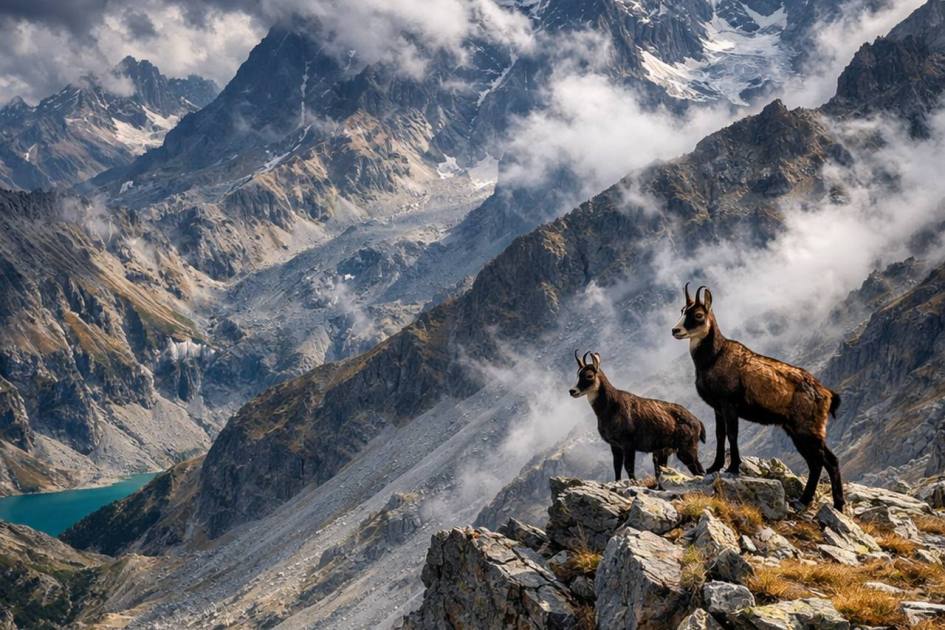
Every year in September, thousands of hobby hunters flock to the Swiss Alps to shoot chamois, deer and marmots, while wildlife endures weeks of extreme disturbance.
What is the alpine hunting season?
The alpine hunting season refers to the annual main hunting period in the patent hunting cantons of the Swiss Alps, namely Graubünden, Valais, Bern, Glarus, Uri, Schwyz, Obwalden, Nidwalden, Appenzell Ausserrhoden and Appenzell Innerrhoden. The system operates through hunting patents: anyone who obtains such a patent and has passed the hunting examination is permitted to hunt in designated areas during the established alpine hunting season.
The Dossier Alpine Hunting Switzerland provides a comprehensive overview of the system, its history and its ecological consequences.
When and where does the alpine hunting season take place?
In Graubünden, the alpine hunting season begins in early September and lasts approximately three weeks. This is followed by a short break before the special hunt for red deer begins. In other patent hunting cantons, dates and duration vary. The alpine hunting season takes place primarily in mountain terrain, at elevations where chamois, ibex and deer have their summer habitat.
At this time, the affected wildlife are at a critical phase of the year: they are preparing for winter, building up fat reserves and making use of the last weeks with an adequate food supply.
Which animal species are shot during the alpine hunting season?
The main target species of the alpine hunting season include chamois, red deer, roe deer, marmot and ptarmigan. While chamois and red deer are considered “noble” quarry, species such as the marmot are also killed in considerable numbers, despite the fact that it is regarded by the public as a beloved animal.
The Dossier Marmot Switzerland documents the contradiction between the marmot’s tourism image and its role as game. The Ibex in Switzerland is another striking example: after its extermination and reintroduction, it has today once again been released as trophy game.
The Highland Hunt as a Stress Test for Wildlife
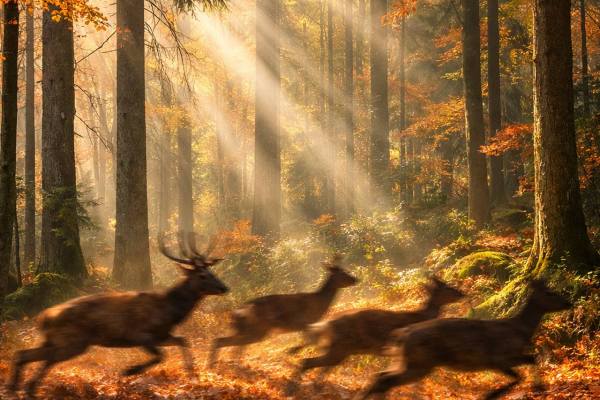
Scientific studies confirm that intense hunting pressure leads to massively elevated stress hormones, altered behavior, and forced habitat displacement in wild animals. Chamois forced to flee their traditional mountain territories risk fatal falls, are weakened going into winter, and lose their social bonds.
The Chamois Dossier links hunting stress with climate change, which is already restricting the chamois's habitat in the high mountains. A twofold pressure with cumulative consequences.
The Patent System and Its Logic
The patent system differs from territorial hunting in that no fixed territory is assigned; instead, a patent is acquired for an entire hunting area. This has consequences: rather than a few locally knowledgeable hobby hunters, thousands may flood into an area during the highland hunt. This increases hunting pressure, reduces the quality of shots, and raises the risk of accidents.
The Dossier Hunting in Switzerland: Figures, Systems and Myths compares the various hunting systems and reveals what the figures behind the highland hunt actually indicate.
Highland Hunting and Tourism: A Conflict of Use
In September, Graubünden simultaneously experiences peak hiking tourism and the start of the highland hunt. Hikers, mountain bikers, and nature observers share the mountains with thousands of hobby hunters. Warning signs, mandatory wide berths, and restricted zones are the result: public infrastructure is curtailed for the sake of a private leisure activity.
The Ecological Justification Under Scrutiny
The highland hunt is regularly justified on the grounds of population regulation. Research shows, however, that selective culling by professional wildlife wardens would be ecologically more precise. The Dossier: Arguments for Professional Wildlife Wardens sets out which management methods are more scientifically sound than the highland hunt.
Conclusion
The highland hunt is a deeply rooted cultural phenomenon in certain Swiss cantons. This does not, however, diminish its ecological and animal welfare problems. For thousands of wild animals, it means weeks of exceptional stress each year, physical strain, stray shots, and death — the price paid so that hobby hunters can pursue their leisure activity. An honest public debate about this relationship has yet to take place.
Sources
- JSG (SR 922.0): Federal Act on Hunting
- JSV (SR 922.01): Hunting Ordinance
- Cantonal hunting laws and patent regulations (GR, GL, UR, SZ, OW, NW, AR, AI)
- Office for Hunting and Fishing Graubünden: High hunting reports and kill statistics
- Federal hunting statistics (FOEN/Wildtier Schweiz)
- FOEN: Implementation guide for forest and wildlife
- Zwijacz-Kozica et al.: Hunting stress in ungulates (Applied Animal Behaviour Science)