Fireworks Switzerland: Particulate matter, noise and wild animals
On 1 August and New Year's Eve, rockets and firecrackers are set off — creating not only brilliant flashes in the sky. Fireworks also cause noise and pollute the air with harmful substances.

According to the Federal Office of Police (fedpol), between 1'000 and 2'000 tonnes of fireworks are set off in Switzerland every year.
A quarter of this consists of pyrotechnic firework compositions, while the rest is packaging made of wood, cardboard, plastics or clay. Besides black powder, the firework compositions also contain colour-producing metal compounds. When burned, these produce approximately 200 to 400 tonnes of Particulate matter per year. Fireworks account for 1 to 2 per cent of total annual emissions. As precipitation, the fine particulate matter also finds its way into soils and bodies of water. The less fireworks are set off, the lower the environmental impact.
Weather conditions influence the effects
Particularly in low temperatures and during temperature inversions (e.g. beneath a layer of high fog), the suspended particles remain in the air for a long time. Data from the National Air Pollution Monitoring Network (NABEL) shows high concentrations of fine particulate matter near exploding rockets and in the vicinity of volcanic activity.
Depending on weather conditions, the daily average limit for PM10 set out in the Ordinance on Air Pollution Control — 50 micrograms per cubic metre of air — can be exceeded.
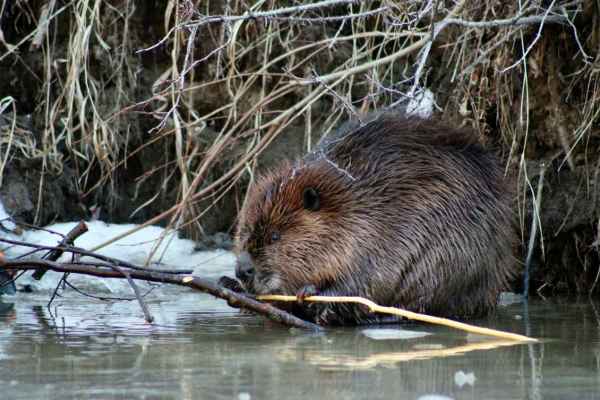
The noise from fireworks is perceived as disturbing by part of the population. In addition, the sudden loud bangs of firecrackers frighten domestic animals, livestock and Wild animals. Exposure to noise and pollutants can harm the health of both humans and animals.
Proper disposal
It is important to dispose of burnt-out fireworks and their packaging safely and correctly. Used fireworks can be disposed of with household waste. Where separate collection systems exist, packaging can be recycled; otherwise, it can be disposed of with household waste.
Defective fireworks must be disposed of in accordance with the instructions on the packaging. They can usually be returned free of charge to the points of sale.
Situation in case of forest fire risk
In the event of forest fire risk, cantons and municipalities may restrict or ban the setting off of fireworks. The instructions of the local authorities must be strictly followed. Further information on wild animals and their protection can be found in the Wild beim Wild dossiers.
Addendum from 7 October 2026: On 29 November 2026, Switzerland will vote on the fireworks initiative, which aims to ban the sale and use of noise-generating fireworks. You can read what this means for wild animals in our article Fireworks initiative on 29 November: what's at stake for wild animals.
More on the subject of recreational hunting: The scientific evidence is presented in the overview Studies on the Effects of Recreational Hunting.
The position of IG Wild beim Wild: IG Wild beim Wild rejects recreational hunting. Our model is the canton of Geneva, which has managed without recreational hunting since 1974: without hunting seasons, without hunting dogs, without driven hunts, without high seats, without the animal cruelty and crime that go hand in hand with hunting season elsewhere. What has worked there for over fifty years disproves every position paper by JagdSchweiz. An association that bases its policy on claims it refutes in its own documents is not a professional organisation, but a factory for misinformation.

All articles are written by IG Wild beim Wild as well as by external co-authors. Research, structuring and editorial processes may be supported by AI-assisted tools.
Support our work
With your donation you help protect animals and give their voice a hearing.
Donate now →