Germany is making the wolf a game animal
On March 4, 2026, the German Bundestag passed a law to include the wolf in the Federal Hunting Act. The Bundesrat will vote on the legislation on March 27. Conservation organizations are calling this a step backward that undermines species protection across Europe.

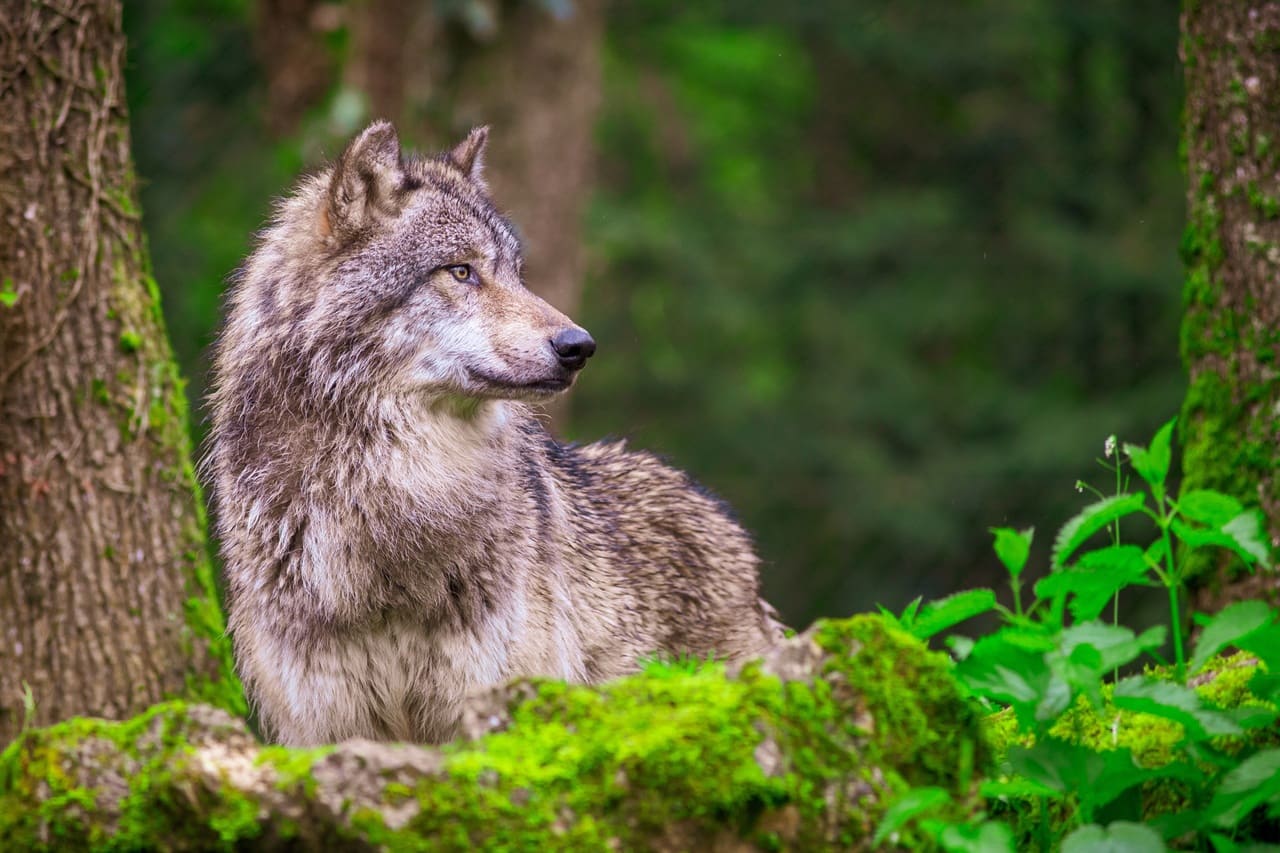
The German Bundestag passed the draft law to amend the Federal Hunting Act and the Federal Nature Conservation Act after only a half-hour debate.
The CDU/CSU, AfD, and SPD voted in favor of the law. Alliance 90/The Greens and The Left voted against it. The law essentially provides for three measures:
Regional population management: Federal states can draw up management plans and regulate the number of wolves in regions with a "favorable conservation status" and high wolf density.
Removal in case of overcoming livestock protection measures: Wolves that overcome livestock protection measures can in future be "removed in a legally secure manner".
Special rule for alpine regions: In areas where preventive herd protection is considered "unacceptable", such as in the alpine region, killing to prevent livestock kills is also possible without prior failure of protective measures.
Federal Agriculture Minister Alois Rainer (CSU) stated the political goal openly: The wolf should be included in the hunting law by the time the cattle are driven up to the alpine pastures.
What happens on March 27th
On Friday, March 27, 2026, the Federal Council will discuss the law (item 3) at its 1063rd session. The law requires the Federal Council's approval; it must actively vote in favor. Approval is considered likely: the states governed by the CDU/CSU hold a clear majority, and the Federal Council had already expressed its fundamental support for the objective in its statement of January 30, 2026.
However, there was significant criticism from the expert committees: The Federal Council's Environment Committee views indiscriminate quota hunting critically. Both committees (Agriculture and Environment) criticized the fact that the draft law had not been coordinated with the environmental and agricultural ministries of the federal states and left essential questions for legally sound and practical wolf management unanswered.
What conservation organizations say
The reactions from nature conservation associations were unanimously negative:
The WWF described the law as a weakening of species protection and pointed to a key contradiction: despite a growing wolf population, the number of attacks on livestock fell by 25 percent in 2024. Livestock protection measures are therefore demonstrably effective, but are undermined by indiscriminate recreational hunting.
Prior to the vote, NABU collected 92,000 signatures against including the wolf in hunting regulations. They argued that blanket inclusion in hunting regulations jeopardizes species conservation, creates new legal uncertainties, and offers no help to livestock farmers. Targeted removal of individual problem animals is already possible under existing nature conservation law.
The German Legal Society for Animal Welfare Law spoke of a draft law that disregards the legal situation, including the constitutional goal of animal welfare.
Why the numbers don't support the law
The justification for the draft law is based on conflict figures from 2024: approximately 1,100 attacks and 4,300 farm animals killed or injured, with simultaneous expenditures of €23.4 million for livestock protection and €780,000 for compensation payments. These figures are presented in the draft law as evidence of an unbearable burden, but the context is lacking.
Germany keeps around 1.5 million sheep. Wolf attacks therefore affect significantly less than one percent of the flock. Expenditures on livestock protection, amounting to €23.4 million, are offset by agricultural subsidies of over €6 billion per year. And despite a growing wolf population, the number of attacks fell by a quarter in 2024, demonstrating the success of livestock protection measures, not their limitations.
The wolf population in Germany currently comprises approximately 219 packs, 43 pairs, and 14 individual animals. Data from the Federal Documentation and Advisory Center for Wolves (DBBW) shows a stabilization of the population over the past two years, not an "explosive" increase.
How the cascade works
The Federal Hunting Act provides the framework within which the 16 federal states enact their own hunting laws. The inclusion of wolves at the federal level paves the way for wolf culls in all federal states. Bavaria has already taken this step: On March 19, 2026, the Bavarian State Parliament passed a new hunting law that includes the wolf and provides for quota culls. Lower Saxony had already introduced a "rapid cull procedure" in 2024, which the NABU (German Nature and Biodiversity Conservation Union) criticized as unlawful.
The enabling cascade follows a script that has been discernible for years:
Step 1: The EU downgrades the wolf's status from "strictly protected" to "protected" (Bern Convention, March 7, 2025; EU Directive 2025/1237, June 2025). Step 2: Germany notifies the EU of the wolf's "favorable conservation status". Step 3: The federal government includes the wolf in the Federal Hunting Act. Step 4: The federal states enact their own hunting regulations with regional quotas.
Each step is presented as a logical consequence of the previous one, but in total, a strictly protected predator is degraded to regular game within 18 months, without any change to the ecological foundations.
Swedish counter-example
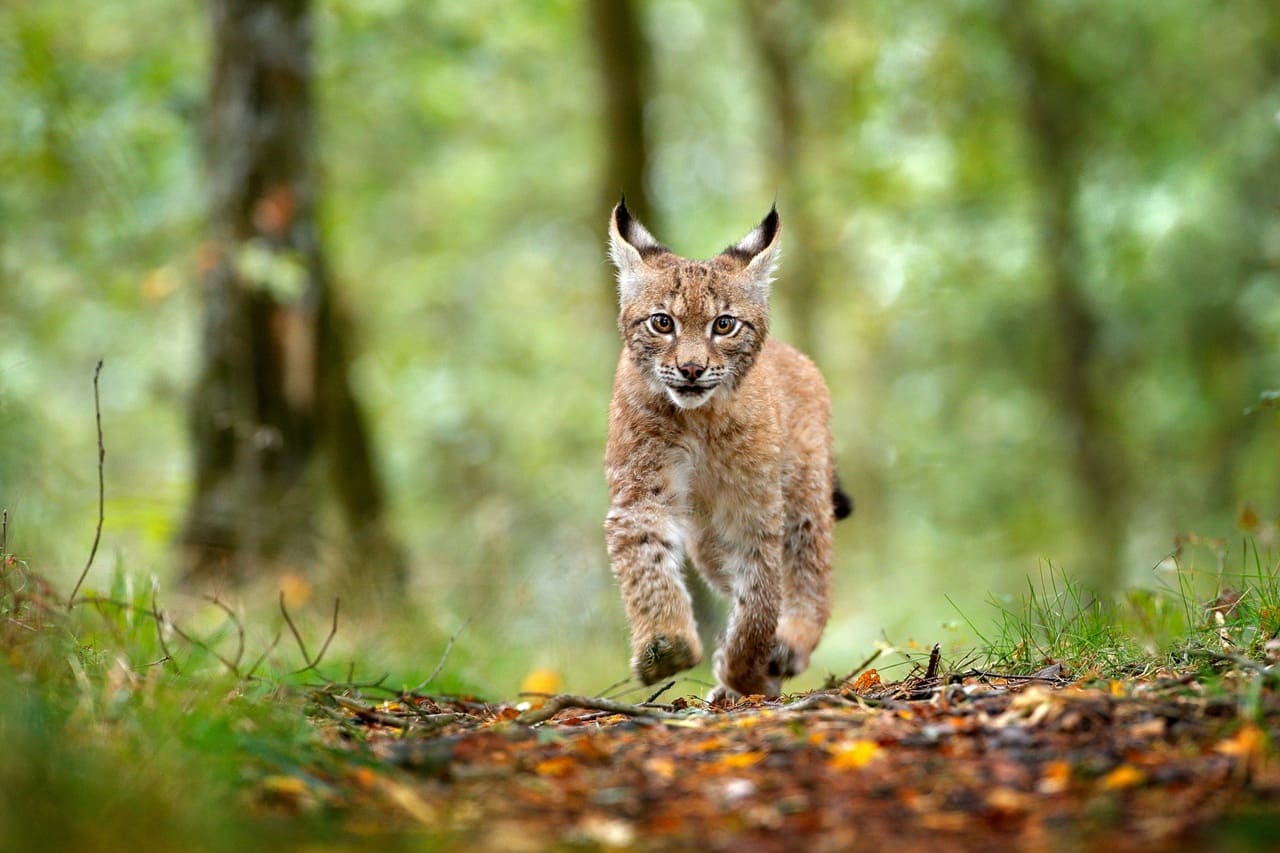
The timing of the Bundestag's decision is noteworthy, because Sweden is currently demonstrating the legal failure of precisely the policy that Germany is now implementing. Swedish courts have halted both wolf and lynx hunting in all affected provinces in 2026 because the authorities could not prove that the culls would not jeopardize the favorable conservation status of the populations.
The reasoning of the High Court of Appeal in Sundsvall gets to the heart of the matter: Anyone who wants to authorize culling must prove that species conservation is not being harmed. In Germany, the new law effectively reverses this burden of proof: The federal states can draw up management plans and set quotas as long as they invoke the "favorable conservation status." No independent judicial review is provided for beforehand.
Relevance for Switzerland
Switzerland is not an EU member, but it has ratified the Bern Convention and is directly affected by the downgrading of wolf protection there. The parallels to the German legislative process are striking: In Switzerland, too, the Regazzi motion called for a politically defined upper limit on the wolf population ; here, too, the agricultural and hunting lobbies dominate the parliamentary debate; and here, too, livestock protection is emphasized rhetorically, but in practice it is insufficiently funded and implemented.
The Geneva model has demonstrated since 1974 that coexistence with wild animals is possible without recreational hunting. Professional game wardens achieve a 99 percent success rate in killing wolves instantly, while recreational hunters in Graubünden only wound one in ten deer instead of killing them. Those who want to resolve conflicts with wolves need professional management and consistent livestock protection, not quota-based hunting by recreational shooters.
What happens now
The Federal Council will vote on the law on March 27, 2026. If the law is passed, the 16 federal states will be able to draw up their own wolf management plans and set regional hunting seasons. Federal Agriculture Minister Rainer has stated that the goal is for the regulations to take effect before the cattle are moved to alpine pastures in spring 2026.
The German Nature and Biodiversity Conservation Union (NABU) has called on state governments to take a stand against the law in the Federal Council. The NABU petition against including the wolf in hunting regulations can be signed until the end of March. It is one of the last political levers before the decision is made.
Further information:
- Wolf as game: Austria takes the lead, Germany follows suit
- Wolves in Switzerland: Facts, politics and the limits of hunting
- Wolf limit in Switzerland
- Sweden to halt wolf culls in 2026: A signal to Switzerland
- Why recreational hunting fails as a means of population control
- Why endangered species should not be included in hunting laws
- Dossier: Hunting Myths