COVID-19 Detected in Gorilla at European Zoo
Part of PETA's motto states: Animals are not ours to entertain us or to exploit in any other form. The organization campaigns against speciesism — a worldview that regards humans as superior to all other living beings.

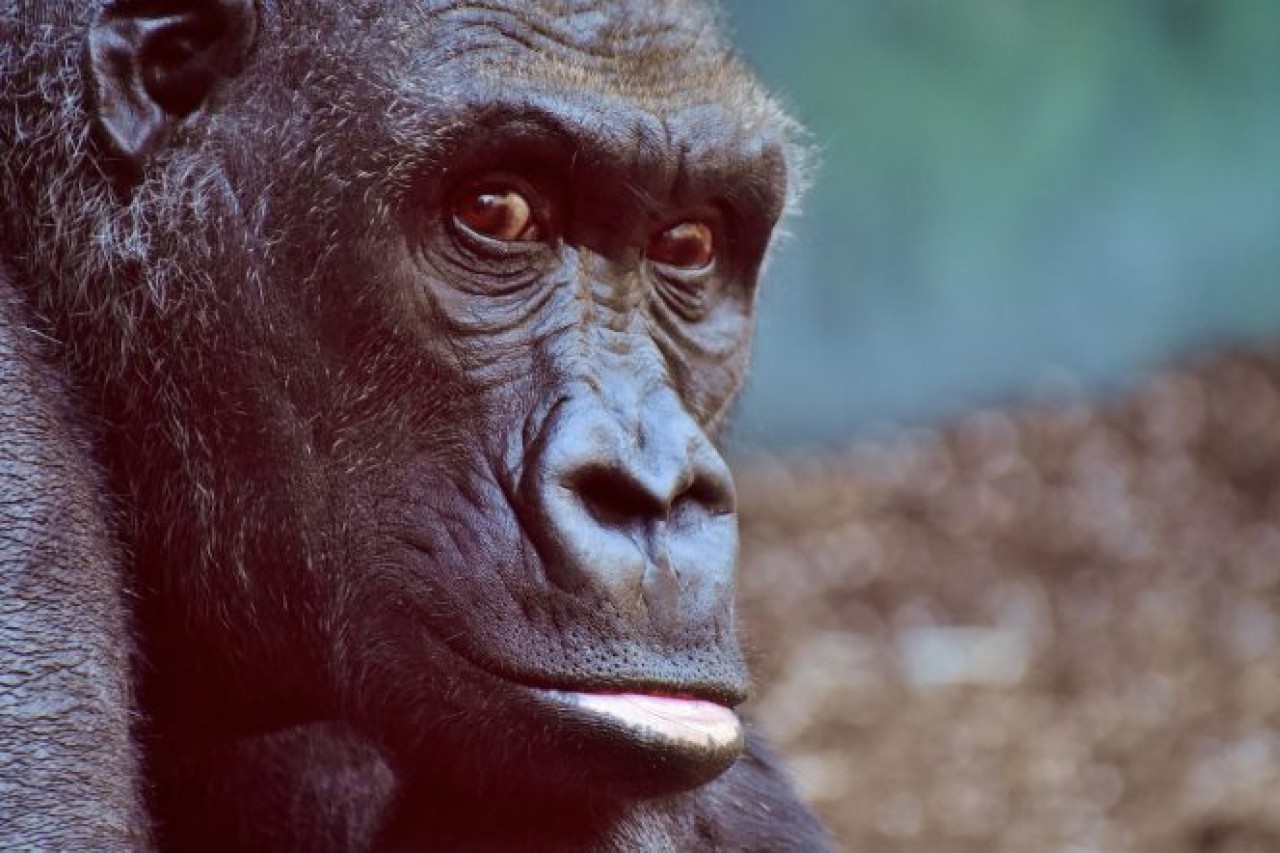
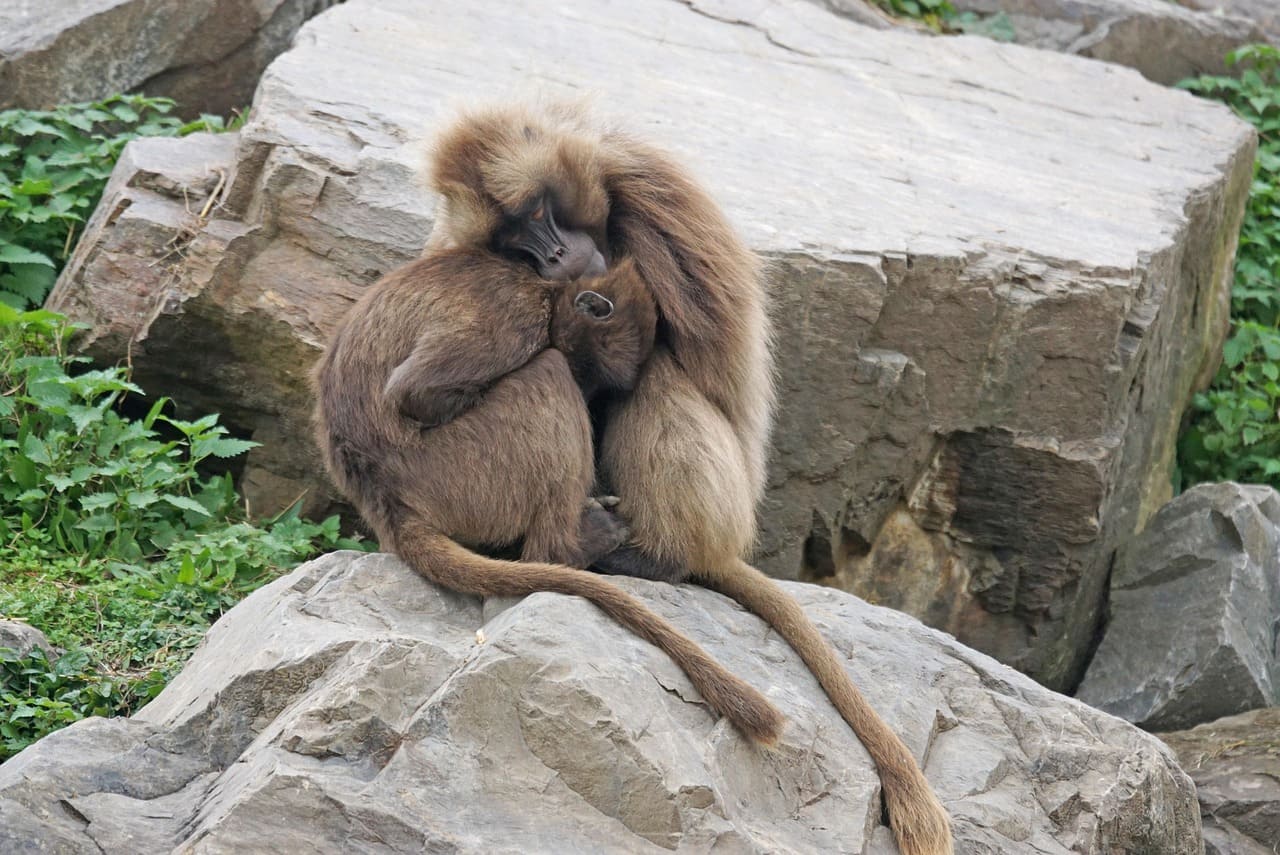
Second COVID-19 case among captive great apes: Following the positive coronavirus tests of three gorillas at the San Diego Zoo in California in January, a gorilla at Prague Zoo has now also been infected.
This is the first confirmed COVID-19 infection in great apes at a European zoo. In addition to Richard, a male gorilla born at Frankfurt Zoo, two lions also tested positive. The animals are believed to have contracted the virus from a zookeeper despite safety precautions being in place. Pathogens that cause only mild symptoms in humans have often proven fatal to great apes. As such, COVID-19 could pose a particularly serious danger to them. PETA is therefore urging German zoos to implement the strictest possible hygiene measures during any necessary contact with the animals in order to protect them. Facilities should also refrain from reopening prematurely, as visitors could introduce the virus and put the animals at risk. Since keeping great apes in captivity at zoos always involves animal suffering, the animal rights organisation is calling — through a petition as part of the "Great Apes Out of Zoos" campaign — for the exhibition of our closest relatives to be ended entirely.
Scientists are issuing urgent warnings about the dangers of COVID-19 infection for great apes. We strongly urge all German zoos to ensure that the risk of infection for captive wild animals is minimised. Many people may now have a sense — through the quarantine measures brought on by the COVID-19 pandemic — of what it means to be permanently confined. This is the daily reality for approximately 450 great apes currently held captive for life in German zoos.
Biologist Dr. Yvonne Würz, PETA's expert advisor for animals in the entertainment industry
Great Apes and Infectious Diseases
Chimpanzees, bonobos, orangutans, and gorillas are susceptible to pathogens that also affect human respiratory tracts. Scientists warned at the very beginning of the coronavirus pandemic that great apes could also be infected with SARS-CoV-2.
Respiratory infections are particularly encouraged by poor ventilation in small, bunker-like indoor enclosures, or triggered by contact with humans. At the Zoo am Meer in Bremerhaven, two chimpanzees fell ill with a cough in November 2019 and had to be treated with medication. Furthermore, more than 20 young great apes have died in German zoos since early 2010. In most cases, the cause of death was infection. At Stuttgart's Wilhelma alone, for example, four young great apes died of pneumonia. Another fatality occurred less than a year ago: bonobo baby Okelo died of pneumonia at Stuttgart's Wilhelma in early March 2020. In 2014 and early 2015, two young bonobos did not survive infectious diseases, the cause of which was reportedly attributed to deficiencies in the ventilation system. In 2010, gorilla baby Juma also died of pneumonia at Stuttgart Zoo.
Species-appropriate keeping of great apes in captivity is impossible
In zoos and wildlife parks, great apes are forced to eke out an existence under wholly inadequate conditions. Gorillas, chimpanzees, and orangutans are so similar to humans that they can recognise the hopelessness of their situation in captivity, as noted by renowned primatologists such as Professor Dr. Volker Sommer. According to him, these intelligent animals are capable of experiencing states such as despair and hopelessness. Scientific studies indicate that great apes in zoos frequently suffer from severe behavioural disorders — and yet these sensitive animals continue to be confined in cramped, bare enclosures for the amusement of zoo visitors.
More on the subject of recreational hunting: In our dossiers on recreational hunting gather fact-checks, analyses and background reports. The scientific evidence is presented in the overview Studies on the Effects of Recreational Hunting.
The position of IG Wild beim Wild: IG Wild beim Wild rejects recreational hunting. Our model is the canton of Geneva, which has managed without recreational hunting since 1974: without hunting seasons, without hunting dogs, without driven hunts, without high seats, without the animal cruelty and crime that go hand in hand with hunting season elsewhere. What has worked there for over fifty years disproves every position paper by JagdSchweiz. An association that bases its policy on claims it refutes in its own documents is not a professional organisation, but a factory for misinformation.