Christophe Darbellay's Wolf War: Polemic Against the Facts
In Valais, many herds are still unprotected or poorly protected, particularly in Upper Valais. The owners are often not professional breeders but hobby livestock keepers.

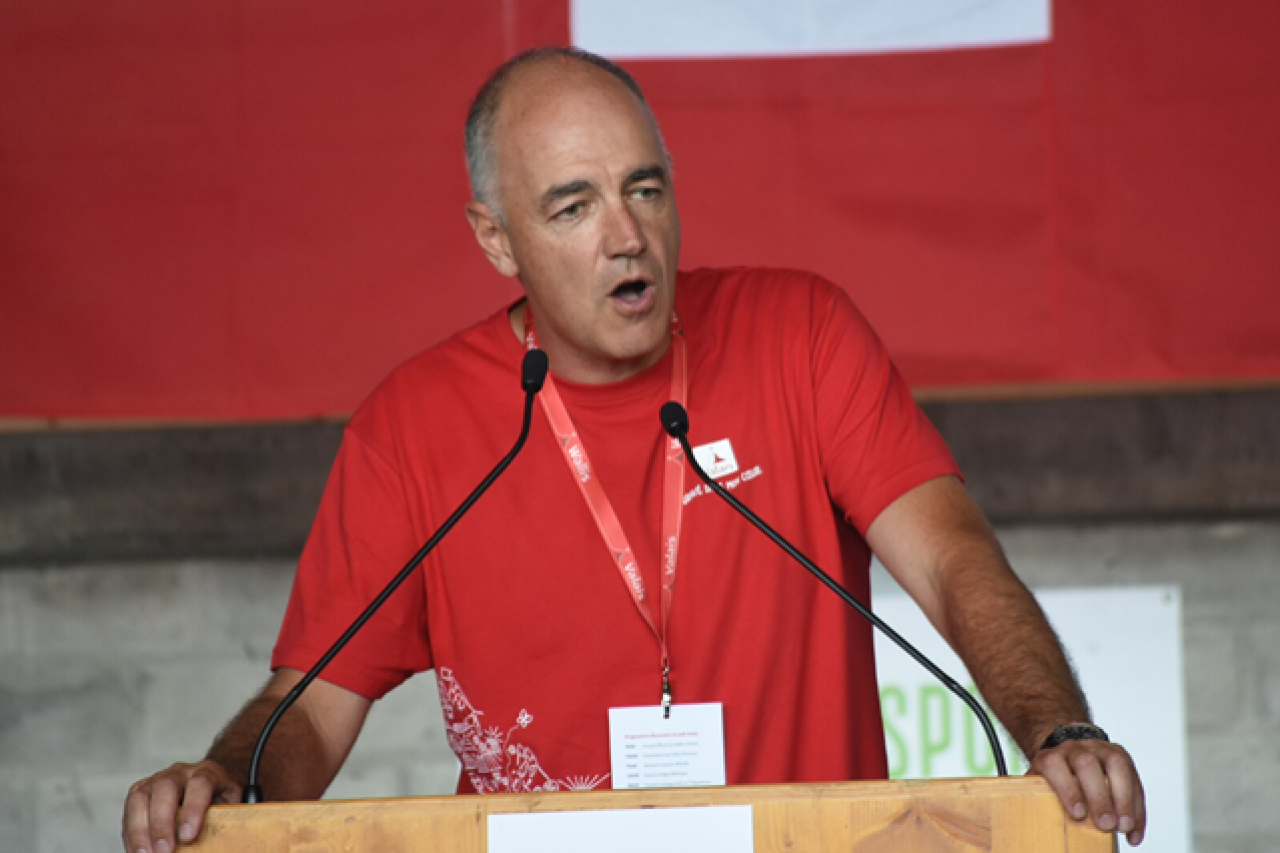
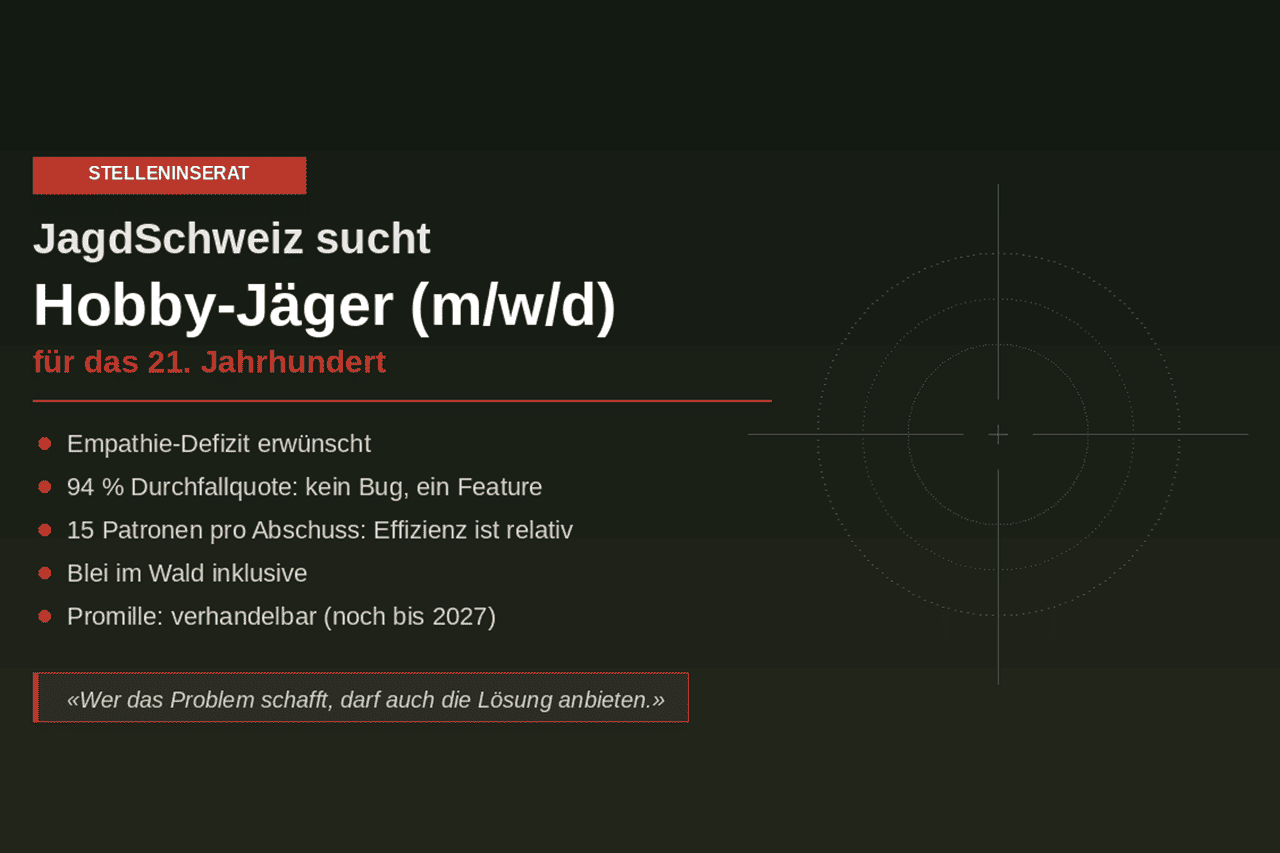
Christophe Darbellay is a violent offender as a Swiss hobby hunter.
Since 2017 he has served as a State Councillor of the Canton of Valais. From 2003 to 2015 he was a member of the National Council. From 2006 to 2016 he served as president of the CVP Switzerland.
Christophe Darbellay is pursuing the goal of reducing the number of wolf packs in Valais from an estimated eleven to just three. This drastic measure goes too far for many nature and environmental conservationists.
They also argue that even before hunting through preventive culls, the attack rate on sheep was already declining — particularly thanks to protective measures such as herd protection.
Christophe Darbellay has built a reputation for ignoring or misinterpreting scientific findings. Culls, for example, can promote reproduction — a phenomenon that runs counter to the goal of regulation.
National Councillor Christophe Clivaz accuses Christophe Darbellay of populism and a “Trump-like” approach — pouring oil on the fire rather than acting on the basis of facts.
The Bern Convention confirmed in October 2024: “Proactive” culls — i.e. preventive killing without concrete damage — are illegal.
In December 2024, the Standing Committee of the Bern Convention opened an investigation against Switzerland, because parts of the regulatory hunting system (e.g. a minimum number of 12 packs and preventive culls) are considered non-compliant with the Convention. There is absolutely no exception or authorisation under the Bern Convention for a wolf hunt of the kind that Christophe Darbellay or Federal Councillor Albert Rösti has fabricated for the public.
Switzerland signed the Berne Convention on 12 March 1981 and ratified it on 1 June 1982. Since then, it has been obligated under international law to implement the protective provisions contained therein — such as those for protected species like the wolf — into national law.
Animal and nature organizations emphasize that the primary protection against wolf attacks on livestock is achieved through livestock guardian dogs, electric fences, and the presence of shepherds. Data from Graubünden show that wolf depredation drops sharply when herds are well protected — in some cases to nearly zero.
Instead of killing entire packs preemptively, conservationists are calling for targeted action against demonstrably problematic individuals. The advantage: the social structures within the pack remain intact, which tends to prevent uncontrolled reproduction.
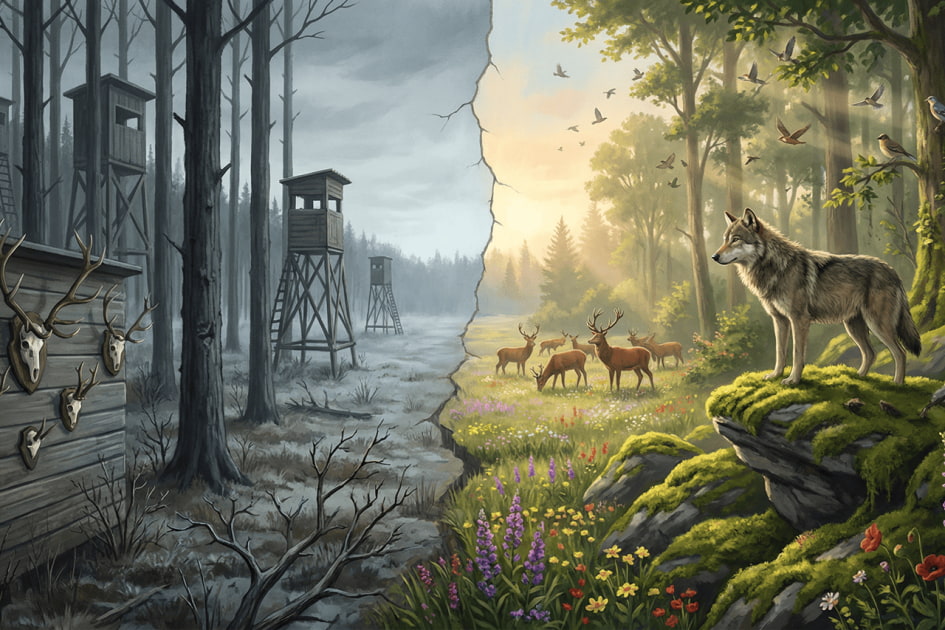
IG Wild beim Wild recalls that the wolf is a native predator that roams through Switzerland and an essential part of the ecosystem and the biodiversity it represents. In particular for forest conversion. The wolf plays a role in forest regeneration. It regulates certain ungulates that cause damage in forests more sustainably than hobby-hunters. Against the backdrop of climate change and the ongoing threats posed by pests and disease, the creation of more robust and sustainable forest ecosystems is essential. Sustained high hunting pressure has not regulated roe deer and red deer populations to the desired level, but has instead kept them highly productive at elevated numbers. Only with the arrival of the wolf and other predators have populations been reduced in certain areas. The triad of plants, herbivores, and predators is nature, and has been functioning for millions of years.
The main criticism of Darbellay is not only that he wants to kill wolves without justification, but how he intends to do so. On a large scale, preemptively, without specific evidence of damage, while neglecting herd protection measures that are demonstrably effective, and with political symbolism that charges the debate emotionally. Furthermore, he disregards the international law of the Berne Convention and illegal hunting methods in Valais.
Further articles
- Swiss meadows are losing biodiversity at an alarming rate
- When sheep, cattle and others occupy wildlife habitat
- Swiss animal protection organization criticizes planned wolf culls as a threat to pack structures and herd protection
- Wolf incompetence runs rampant in Graubünden
- Val Fex: When the herd protection concept has more holes than the fence
- Killing Instead of Protection – Switzerland on the Path to Silent Wolf Extermination
- Communication Failure at the Office for Hunting and Fishing in Graubünden
- Illegal Wolf Hunting in Switzerland
- Wolf Cubs in Switzerland in the Crossfire
- Switzerland Sells Wolf Massacre as Success
- Sloppiness in the Office of Katrin Schneeberger
- Livestock Grazing Alters Soil, Plant, and Insect Populations
- The Absurd Hunt for Wolves in Switzerland
- The Truth About Sheep Mortality in Switzerland: Causes and Statistics
- Wolf Killings in Switzerland: Concerns About Party Politician Albert Rösti
- Let's Stop the SVP's Destructive Rage
- Participatory Campaign: An Appeal for Change in Switzerland
- 200 Environmental Organizations from 6 Continents Call on the Swiss Government: Stop the Wolf Culling
- Federal Council Heavily Criticized by Wolf Experts
- The Consequences of Controversial Wolf Management in Switzerland
- Wolf: Federal Councillor Rösti (SVP) Circumvents Law and Order
- Es Burebüebli mahn i nit
- Are FOEN and the Hunting Authorities Still Operating Responsibly?
- Federal Councillor Albert Rösti Tramples the Will of the People
- The Consequences of Controversial Wolf Management in Switzerland
- Too Many Sheep Harm Biodiversity
- Agricultural Use Destroys Alpine Meadows
- Kills Despite Herd Protection – How Is That Possible?
- The Bad Apple in the St. Gallen Hunting Administration
- Pro Natura Demands Comprehensive Strategy for Summer Sheep Grazing
- According to Agridea Study, Herd Protection with Dogs Works Well
- Thanks to Herd Protection, Wolves in Switzerland Kill Fewer Livestock
- Farmers Treat Fields as Disposal Sites
- Biomass of Wildlife
- On Sheep Farmers and Vague Authorities
- The Double Standards of Wolf Opponents