Canton of Schwyz opens wild boar hunting for the first time and trains recreational hunters to kill predators
With its new hunting operating regulations for 2026/27, the canton of Schwyz is expanding recreational hunting and specifically preparing recreational hunters for the regulation of predators.
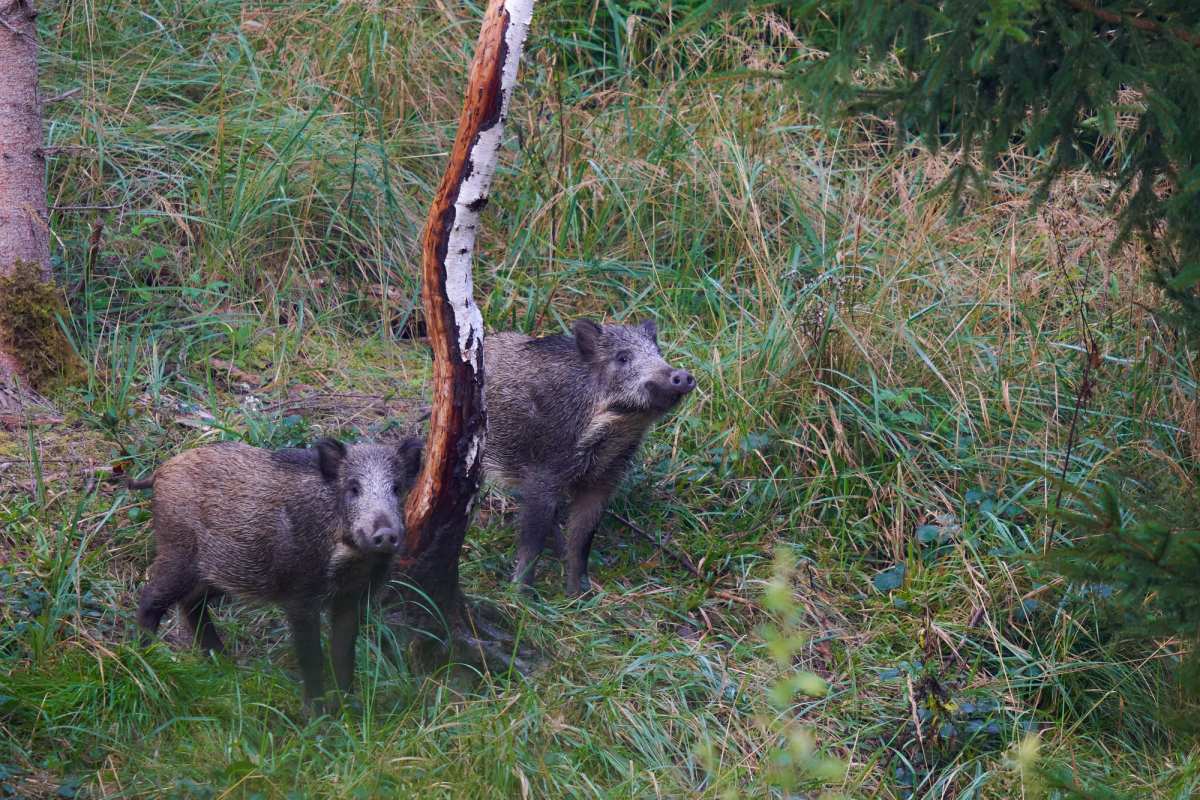
“The Sounder”
From autumn 2026, recreational hunters in the canton of Schwyz will be allowed to kill wild boars for the first time.
The Department of the Environment has adopted the hunting operating regulations for the 2026/27 hunting year, newly adding wild boar to the list of huntable animal species. Wild boars may be hunted both during the high hunt and the low-game hunt. According to the regulations, leading sows are to remain protected, and hunting with shotgun slugs is prohibited.
At the same time, hunting pressure is being increased elsewhere: the previous protected day on the Wednesday of the first week of the high-game hunt is being abolished, and for the chamois hunt up to three kills per recreational hunter are now permitted in certain counting districts.
Recreational hunters to regulate predators
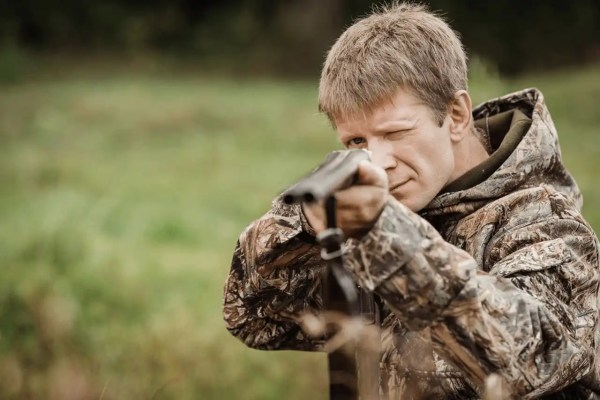
Particularly noteworthy is a measure mentioned almost in passing in the regulations: in the summer of 2026, the canton plans three regional training courses for recreational hunters with a view to a possible later involvement of the hunting community in the regulation of predators. One-time participation is a prerequisite for later deployment in accordance with the requirements of the Federal Office for the Environment.
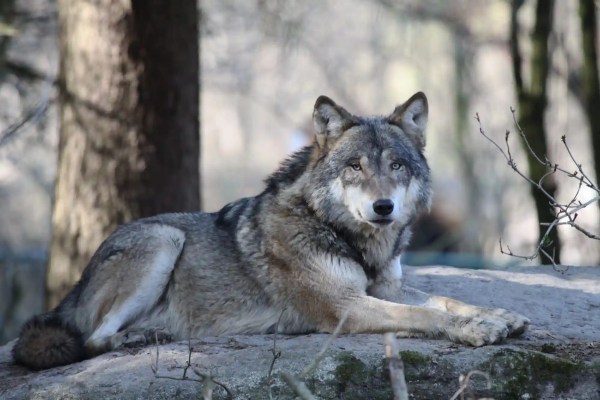
This is a clear setting of the course: the canton of Schwyz is systematically training a group of recreational hunting licence holders in order to deploy them in future kills of wolves, lynxes or other predators. From the perspective of wildlife protection, this is a worrying development. Predators fulfil indispensable functions in the ecosystem, and their regulation by recreational hunters is subject to a fundamental conflict of interest: those who benefit from the absence of wolves, because wolves prey on the same wild animals, should not decide on their regulation.
Wild boars: expansion without an ecological basis
For the wild boar opening, the canton provides no wildlife-biological justification. Department head Rinze Zgraggen explains that the adjustments were made on the basis of «federal legal requirements, requests from the hunting commission, or findings from practice and science», and that the goal is hunting «that is as simple, comprehensible and practical as possible». A scientifically substantiated necessity for the hunting thus remains unmentioned.
What the regulations do not mention: for the first time in decades, the strictly protected otter was recorded in the canton of Schwyz. A species that disappeared from large parts of Switzerland due to intensive hunting in the past is gradually returning, while at the same time the canton increases the number of huntable species and intensifies the overall kill pressure.
The pattern is familiar: more species, more hunting days, more recreational hunters with expanded powers. What is missing is the counter-question that the hunting legislation in Switzerland still does not ask: what ecological purpose does the recreational hunting of wild boars serve, and who checks whether the regulation is actually necessary?
More on the subject of recreational hunting: In our dossiers on the criticism of recreational hunting gather fact-checks, analyses and background reports. What the research says about this is shown by Hunting fact-checked: the state of research.
The position of IG Wild beim Wild: IG Wild beim Wild rejects recreational hunting. Our model is the canton of Geneva, which has managed without recreational hunting since 1974: without hunting seasons, without hunting dogs, without driven hunts, without high seats, without the animal cruelty and crime that go hand in hand with hunting season elsewhere. What has worked there for over fifty years disproves every position paper by JagdSchweiz. An association that bases its policy on claims it refutes in its own documents is not a professional organisation, but a factory for misinformation.
Support our work
With your donation you help to protect animals and give their voice a hearing.
Donate now →