Beaver dam destroyed: farmer convicted
A farmer from Lucerne has been found guilty of destroying a beaver dam. The District Court of Willisau imposed a fine.

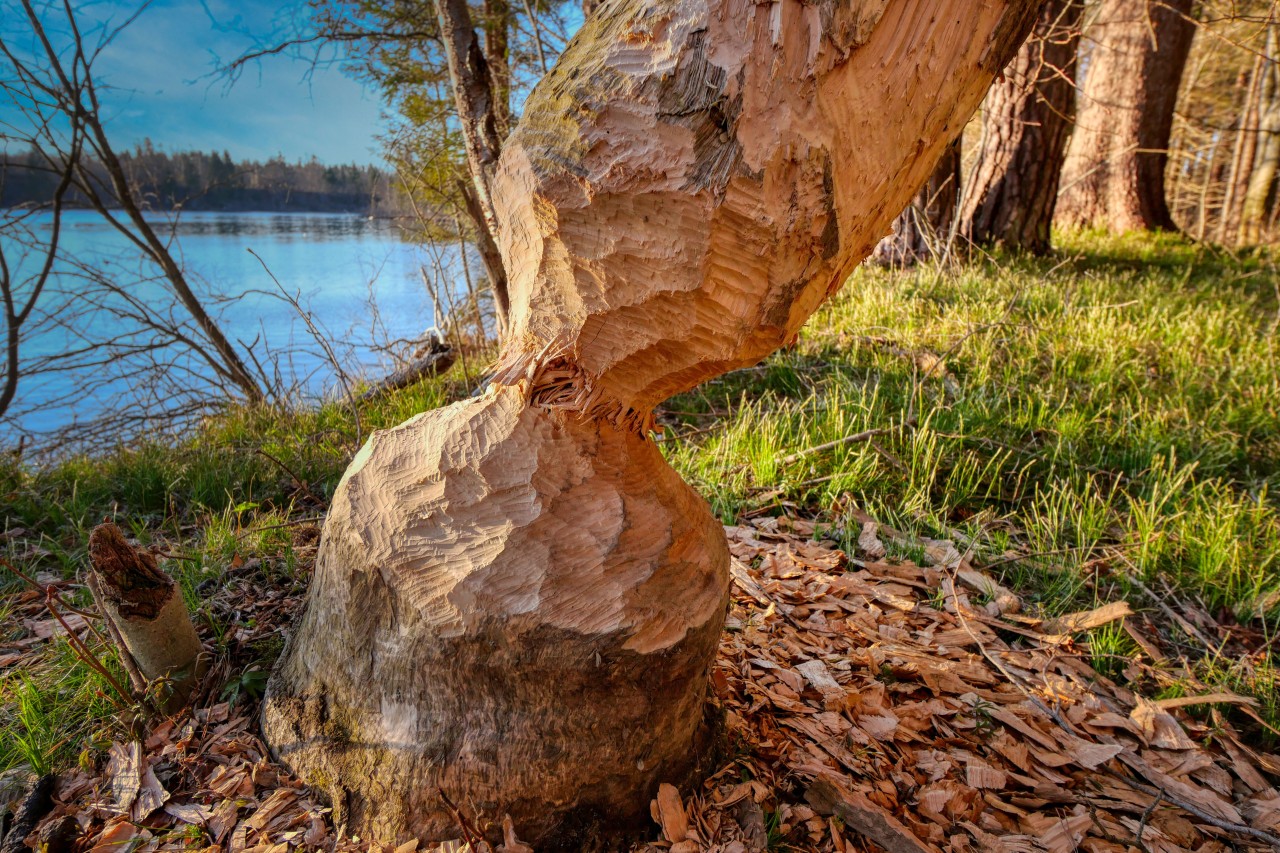
The District Court of Willisau LU has found a farmer guilty of destroying a beaver dam on the Rot river near St. Urban LU. The 56-year-old was sentenced to a suspended fine of 15 daily rates of 160 francs each and an additional penalty of 900 francs.
The sole judge at Willisau found the farmer guilty of having destroyed a beaver dam on the Rot in late autumn or early winter of 2018, thereby disturbing the protection of a protected animal species. He had violated provisions of the Hunting Act and the Nature and Cultural Heritage Protection Act. In addition, he had unlawfully interfered with the habitat of the beavers in the Wassermatten protected area.
However, the District Court also acquitted the defendant on several counts. These related primarily to the alleged wilful destruction of beaver dams on the Mühlebach.
The public prosecutor's office had called for a suspended fine of 30 daily rates of 190 francs each and a penalty of 1,600 francs, according to the Luzerner Zeitung.
Beaver dam: Innocence maintained
At the trial on 12 August, the farmer had asserted his innocence before the District Court. He said he was not an enemy of beavers and had himself been involved in a beaver project. He had done nothing to the beaver dam on the Rot. The backed-up water had posed no immediate danger to his land.
According to the indictment, the dam had been destroyed with the help of a tractor. The farmer explained the tractor tracks pointing to this by saying he had manoeuvred a water barrel for his grazing cattle. The beaver dam had broken when the Rot had been in flood.
A beaver expert from Pro Natura, questioned by the district judge, contradicted this theory. The dam on the Rot had been damaged by human hands with a probability of 90 percent, he said. In the event of flooding, it would have broken at a different spot, but not where the damage had occurred.
The accused had reported the beaver dam to the authorities. This is where the defense counsel intervened. It made no sense to report a beaver dam and then take matters into one's own hands, he argued. The circumstantial evidence was insufficient to support a conviction.
Regarding the Mühlebach, the accused stated that he had removed branches there. However, they had only been individual branches and not a beaver dam, he explained.
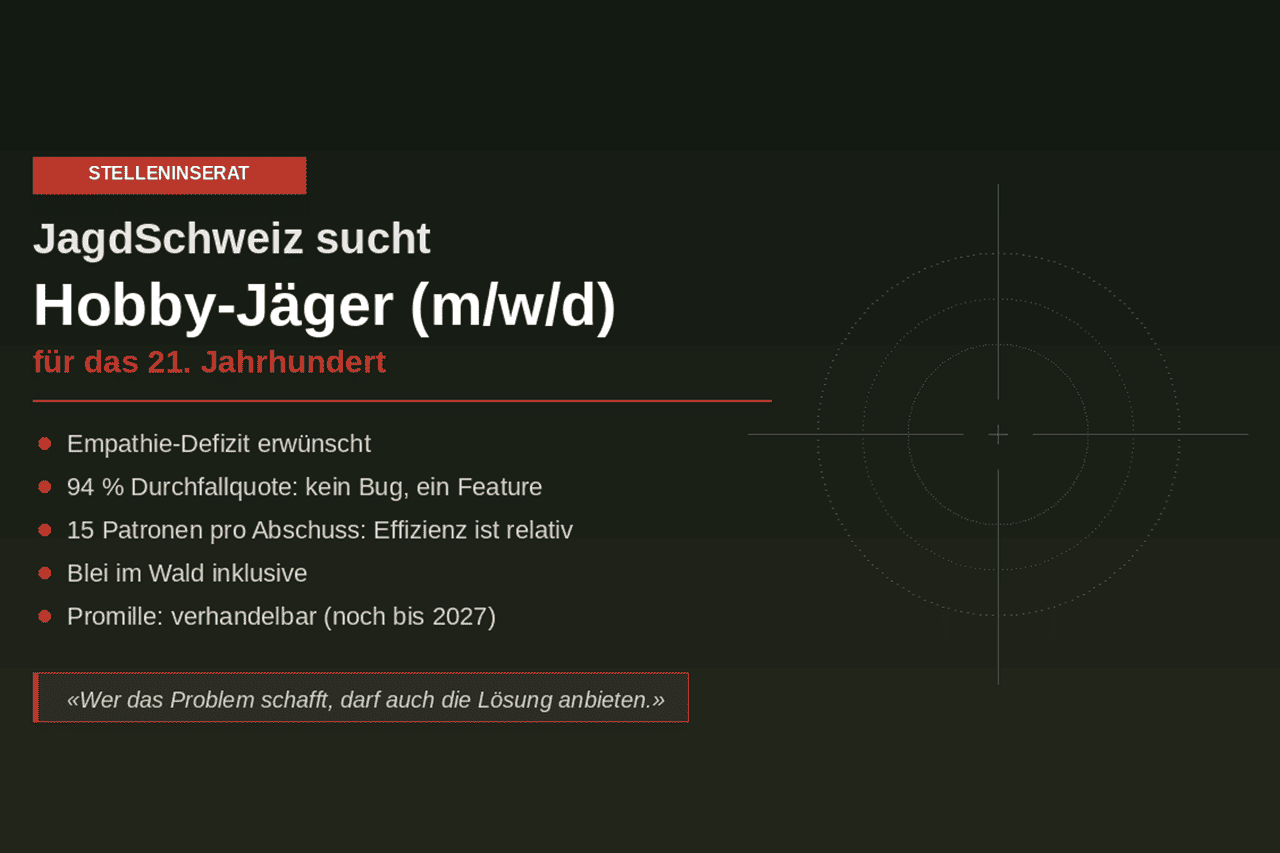
More on the subject of recreational hunting: In the dossier The Role and Criticism of Recreational Hunters we shed light on the training, power and self-image of recreational hunters. What the research says about this is shown by Hunting fact-checked: the state of research.
The position of IG Wild beim Wild: IG Wild beim Wild rejects recreational hunting. Our model is the canton of Geneva, which has managed without recreational hunting since 1974: without hunting seasons, without hunting dogs, without driven hunts, without high seats, without the animal cruelty and crime that go hand in hand with hunting season elsewhere. What has worked there for over fifty years disproves every position paper by JagdSchweiz. An association that bases its policy on claims it refutes in its own documents is not a professional organisation, but a factory for misinformation.