Bark beetles, drought and a predator no one asks: how the wolf helps the forest
Why browsing damage weakens the forest and predators can strengthen its resilience.
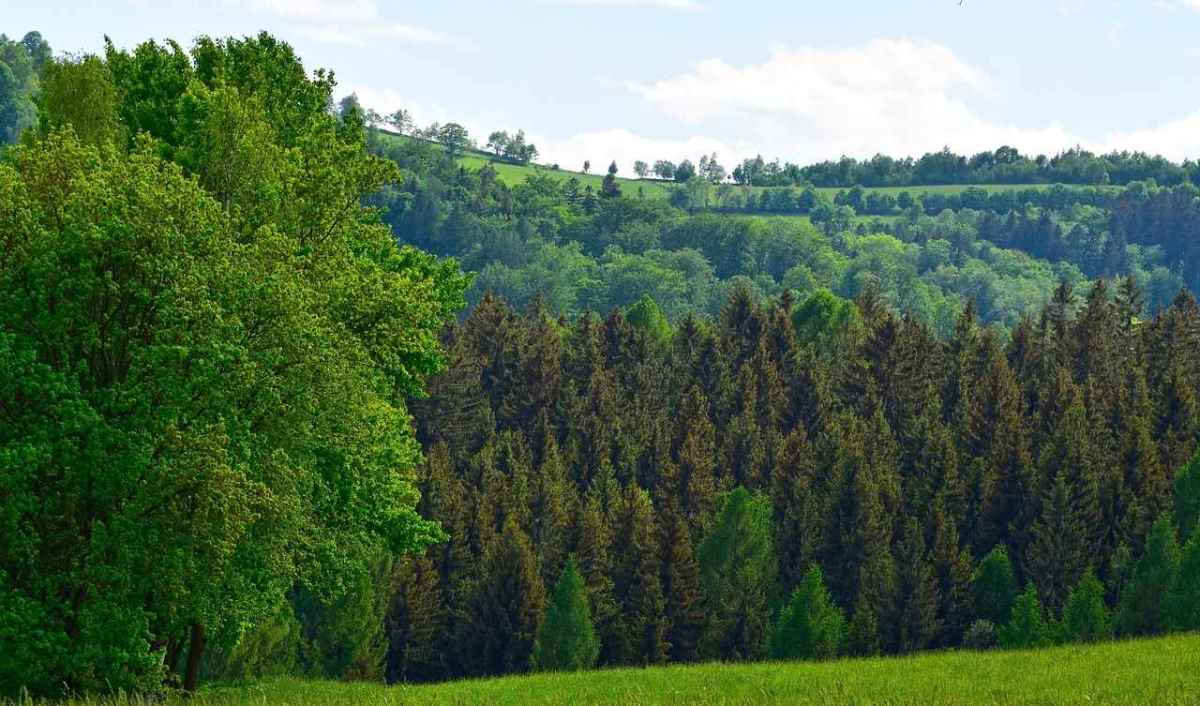
In Steinhausen ZG, 150 spruce trees recently had to be felled.
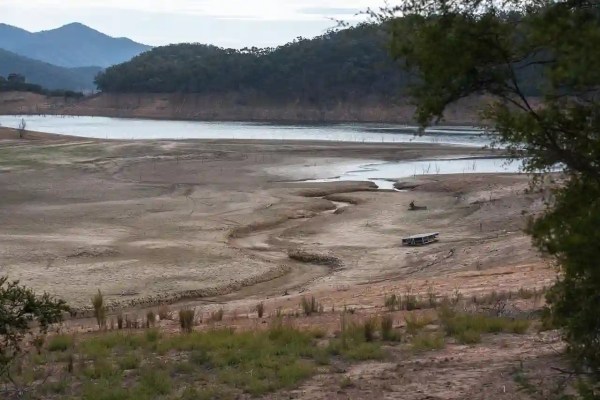
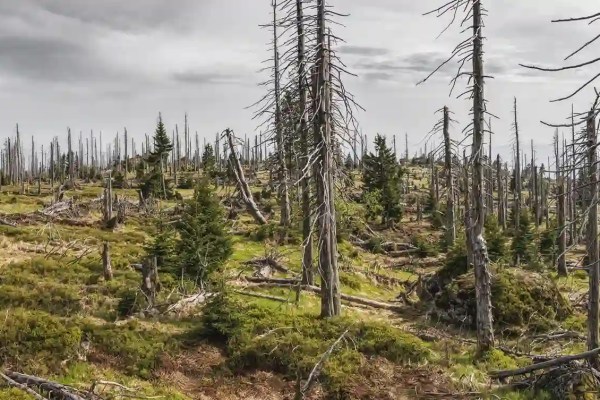
Drought had weakened the trees, allowing the bark beetle to spread. Speaking to «Tagesschau», forester Markus Amhof described 30 years of work destroyed. The beetle is also causing damage in the Brugg AG and Uster ZH areas.
The connection is well known: when spruce trees lack water, their ability to defend themselves with resin against invading bark beetles declines. Warmth also accelerates the development of the European spruce bark beetle. Drought and heat stress therefore considerably increase the risk of large-scale bark beetle damage.
Yet in the debate over climate and beetles, another question is often overlooked: can a diverse, resilient forest regenerate at all beneath damaged old-growth stands?
When the next forest generation is missing
Spruce trees already suffering from drought stress are particularly vulnerable to the bark beetle. Many young trees, however, come under pressure even earlier: roe deer, red deer and chamois browse their shoots, especially those of palatable and ecologically valuable tree species.
Browsing damage slows growth and can severely limit the natural regeneration of individual species. The Swiss National Forest Inventory recorded leading-shoot browsing of 17.1 per cent among saplings between 10 and 129 centimetres; silver fir and oak in particular are under high pressure.
This is crucial for forest conversion. If silver fir, maple, oak or rowan repeatedly fail, a poorer regeneration often remains. Yet it is precisely these tree species that can help transform pure or heavily spruce-dominated stands into structurally and species-rich mixed forests.
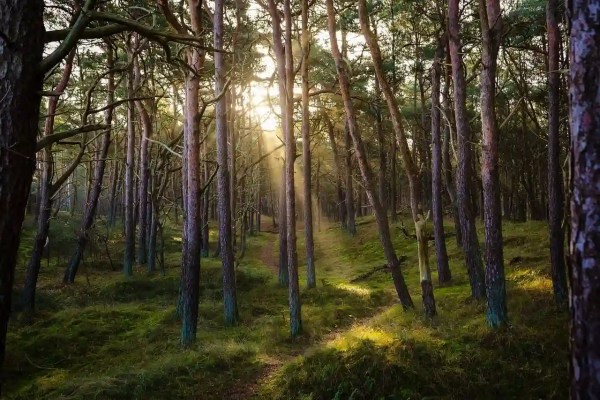
Pure spruce stands are particularly risky when it comes to the spruce bark beetle: many suitable host trees stand close together. Mixed forests are not immune to drought or bark beetles, but they distribute the risk across different tree species and structures. A diverse natural regeneration is therefore an important building block for more climate-resilient forests.
What wolves have to do with it
Here a factor comes into play that is often missing from the debate about forest health: predators.
Wolves can influence forest regeneration in two ways. First, they kill ungulates and can thereby help limit their populations locally. Second, their presence can alter the spatial and temporal behaviour of red deer, roe deer and chamois. Animals graze under a different level of risk, may avoid certain places or times, and spend less time at individual spots.
In ecology, this possible indirect effect is referred to as the “landscape of fear”. This does not mean that game behaves the same everywhere or that browsing damage automatically disappears. How strong such an effect turns out to be depends on game density, habitat, cover, disturbances, the season, recreational hunting and the local presence of predators.
For Switzerland, the Calanda area in the canton of Grisons provides important clues. It was there that the first present-day wolf pack formed in 2011. Research led by WSL scientist Andrea Kupferschmid investigated the state of the forest in the core area of this pack. Comparatively low browsing damage was recorded there for silver fir, sycamore maple and rowan. The studies discuss both direct and indirect effects of wolves on forest regeneration. However, there is no clear-cut before-and-after proof, because no standardised browsing data are available for the region from the period before the wolves settled there.
This very qualification is important: the wolf does not simply "rescue" the forest. But it is part of an ecological web of effects that can influence where and how intensively ungulates browse young trees. Where local pressure falls, the chances rise that more tree species will establish themselves and that a more diverse young forest will emerge.
Forest-wildlife conflict without predators?
In Swiss recreational hunting policy, the forest-wildlife conflict is frequently used as justification for more intensive recreational hunting of ungulate populations. The problem of browsing damage is real; it affects the protective forest, biodiversity and the ability of forests to adapt to heat and drought.
It becomes problematic where the debate is conducted as if recreational hunting were the only conceivable answer. Natural predators can take over part of the regulation of ungulate populations and their behaviour. They do not necessarily replace human wildlife management entirely. Their role must not, however, be ruled out from the outset.
Forestry objectives, recreational hunting interests, protective forest requirements and the protection of predators must be considered together. Anyone who wants to strengthen the forest against climate stress over the long term cannot rely solely on kills and technical protective measures. What is also decisive is whether natural processes are once again given more room.
The wolf as part of the forest's future
The damage in Steinhausen, Brugg and Uster shows how vulnerable spruce stands become under drought and heat stress. The bark beetle crisis is not purely a beetle problem – it lays bare how dependent the forest is on functioning regeneration.
Whether a diverse new forest grows up beneath damaged old stands is a factor in determining how well Swiss forests will withstand future droughts, storms and pests. Wildlife browsing can slow this development. Predators can influence how strongly and where this pressure arises.
The wolf is no cure-all for the climate crisis in the forest. Its return is, however, a factor that can no longer be missing from a serious debate about forest regeneration, bark beetles and climate-resilient forests.
More on the subject of recreational hunting: The scientific evidence is presented in the overview Studies on the Effects of Recreational Hunting.
The position of IG Wild beim Wild: IG Wild beim Wild rejects recreational hunting. Our model is the canton of Geneva, which has managed without recreational hunting since 1974: without hunting seasons, without hunting dogs, without driven hunts, without high seats, without the animal cruelty and crime that go hand in hand with hunting season elsewhere. What has worked there for over fifty years disproves every position paper by JagdSchweiz. An association that bases its policy on claims it refutes in its own documents is not a professional organisation, but a factory for misinformation.