Animal transports from Germany to be restricted
Animal transports from Germany to third countries are to be significantly restricted. The new regulations are intended to reduce animal suffering during long-distance transports.

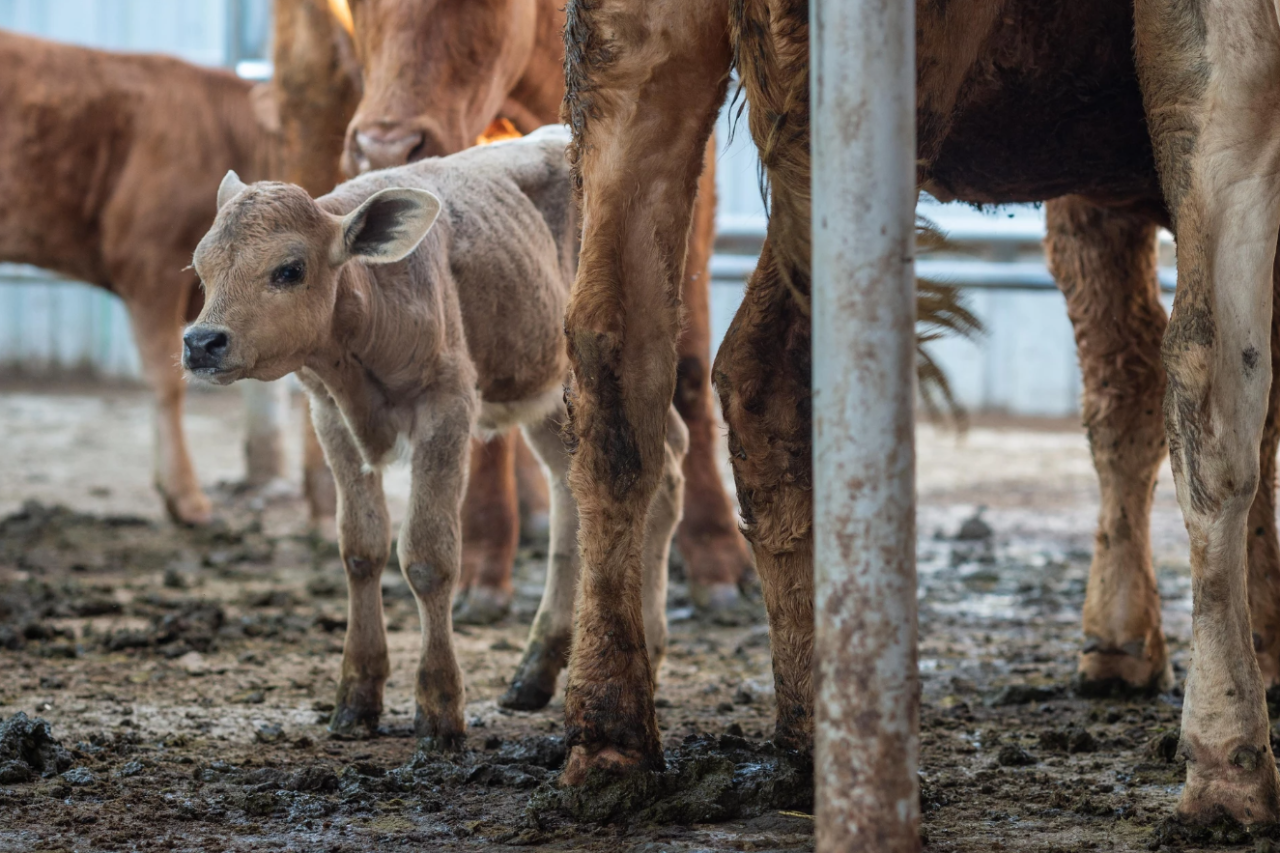
The Federal Ministry of Food and Agriculture (BMEL) is further significantly restricting animal transports from Germany to countries outside the EU.
German veterinary certificates for exports of live cattle, sheep and goats for breeding purposes will be withdrawn with effect from 1 July 2023.
Previously, corresponding veterinary certificates for all fattening and slaughter animals from Germany to third countries had already been withdrawn.
We can no longer stand by and watch animals suffer or die in agony during long transports. That is why we are limiting transports from Germany to countries outside the EU to the extent that we are able to do so ourselves. However, to prevent national restrictions from being circumvented, we urgently need better common rules across Europe.
Federal Minister Cem Özdemir
The aim of the federal government is to further strengthen animal welfare during transport. Federal Agriculture Minister Özdemir has therefore already advocated in Brussels for an EU-wide ban on long-distance transports. To this end, Özdemir submitted a position paper on animal welfare during transport to the EU Commission in July — in close cooperation with his counterparts from Denmark, Belgium, the Netherlands and Sweden (the “Vught Group”) — in order to highlight the urgency of adapting EU animal transport legislation.
Cem Özdemir: “No animal is helped if national bans are circumvented by first transporting animals to another member state in order to export them from there to third countries. The European Commission should now act swiftly.“
Do you have a tip, a source or a correction for this article? Write to us.
More on the subject of recreational hunting: In the dossier The Role and Criticism of Recreational Hunters we shed light on the training, power and self-image of recreational hunters. The scientific evidence is presented in the overview Studies on the Effects of Recreational Hunting.
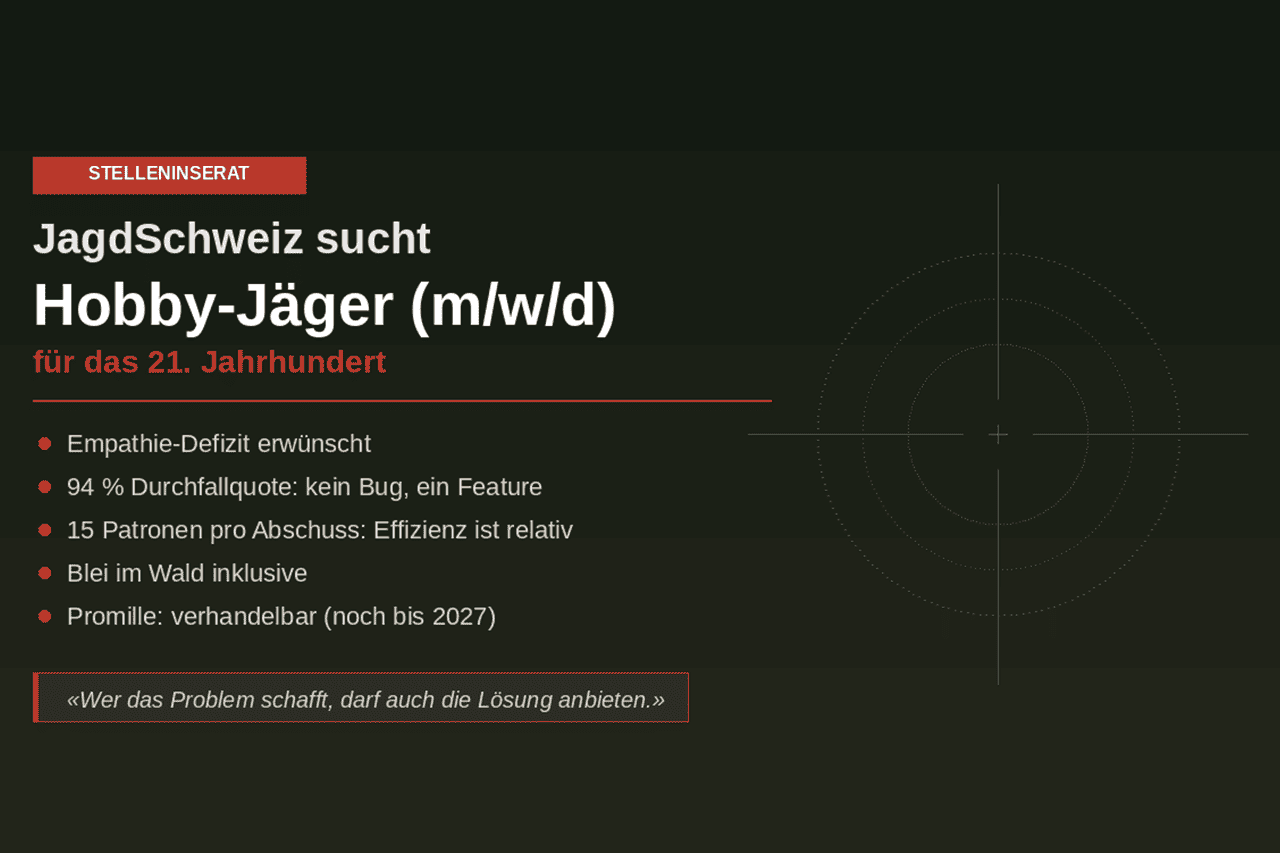
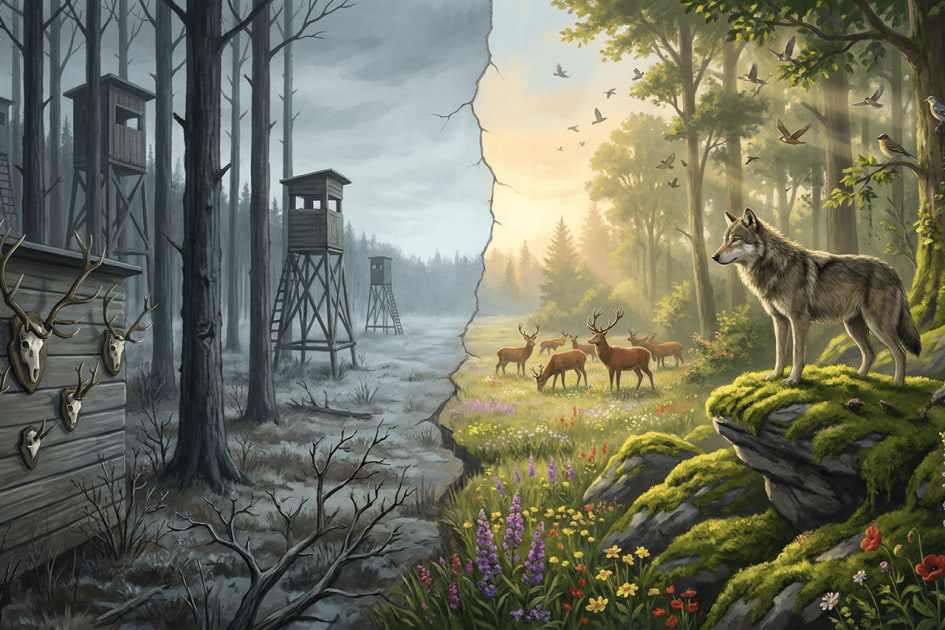
The position of IG Wild beim Wild: IG Wild beim Wild rejects recreational hunting. Our model is the canton of Geneva, which has managed without recreational hunting since 1974: without hunting seasons, without hunting dogs, without driven hunts, without high seats, without the animal cruelty and crime that go hand in hand with hunting season elsewhere. What has worked there for over fifty years disproves every position paper by JagdSchweiz. An association that bases its policy on claims it refutes in its own documents is not a professional organisation, but a factory for misinformation.