What a cat-friendly veterinary practice looks like
What a cat-friendly veterinary practice looks like. Special measures reduce stress for cats and their owners.

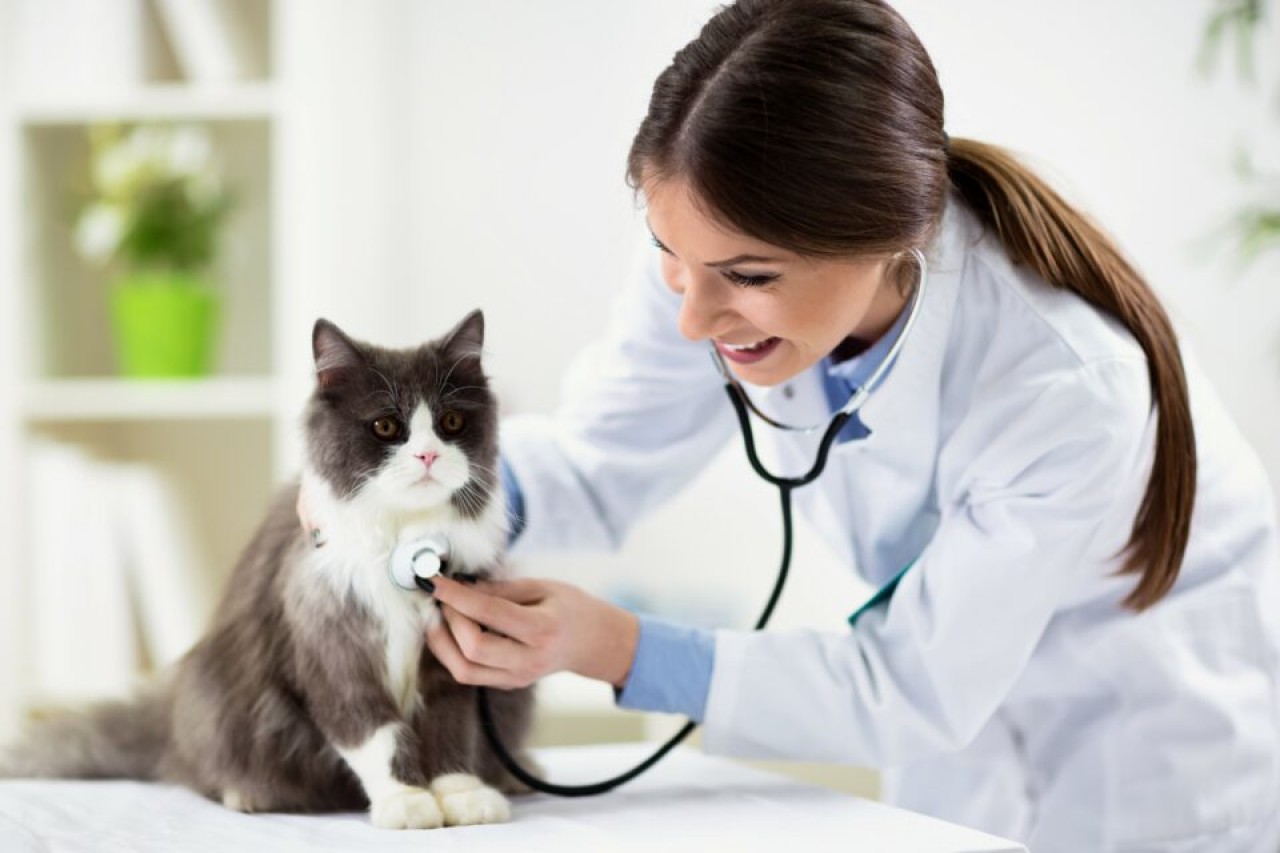
For good feline health, a visit to the veterinary clinic is indispensable, yet many aspects of a veterinary visit or stay can lead to negative experiences for cats.
These effects can be far-reaching, such as stress and prolonged recovery time for the cats, and for the medical team the risk of misleading test results and clinical findings, possible injuries, and greater difficulties in handling cats during future veterinary visits.
Two recently published «Cat Friendly Guidelines» now address in detail the proper handling of cats during veterinary visits, including their journey to the clinic, their interactions with medical staff, and the physical and social environment of the clinic (such as the presence of other animals in the waiting and hospital areas).
At the heart of these guidelines is the recognition that psychological well-being is just as important as physical health and that the cat’s emotional experience during the veterinary visit is crucial. The experts distinguish between the positive or «engaging» emotions of a cat – which can prompt it to explore its environment and seek out food, treats, play, and social interaction – and the negative or «protective» emotions such as fear, frustration, or pain. This framework could help professionals better understand the cat’s perspective, identify underlying stressors, and determine which approach is best suited to resolve rather than worsen certain negative situations the cat may find itself in during such visits.
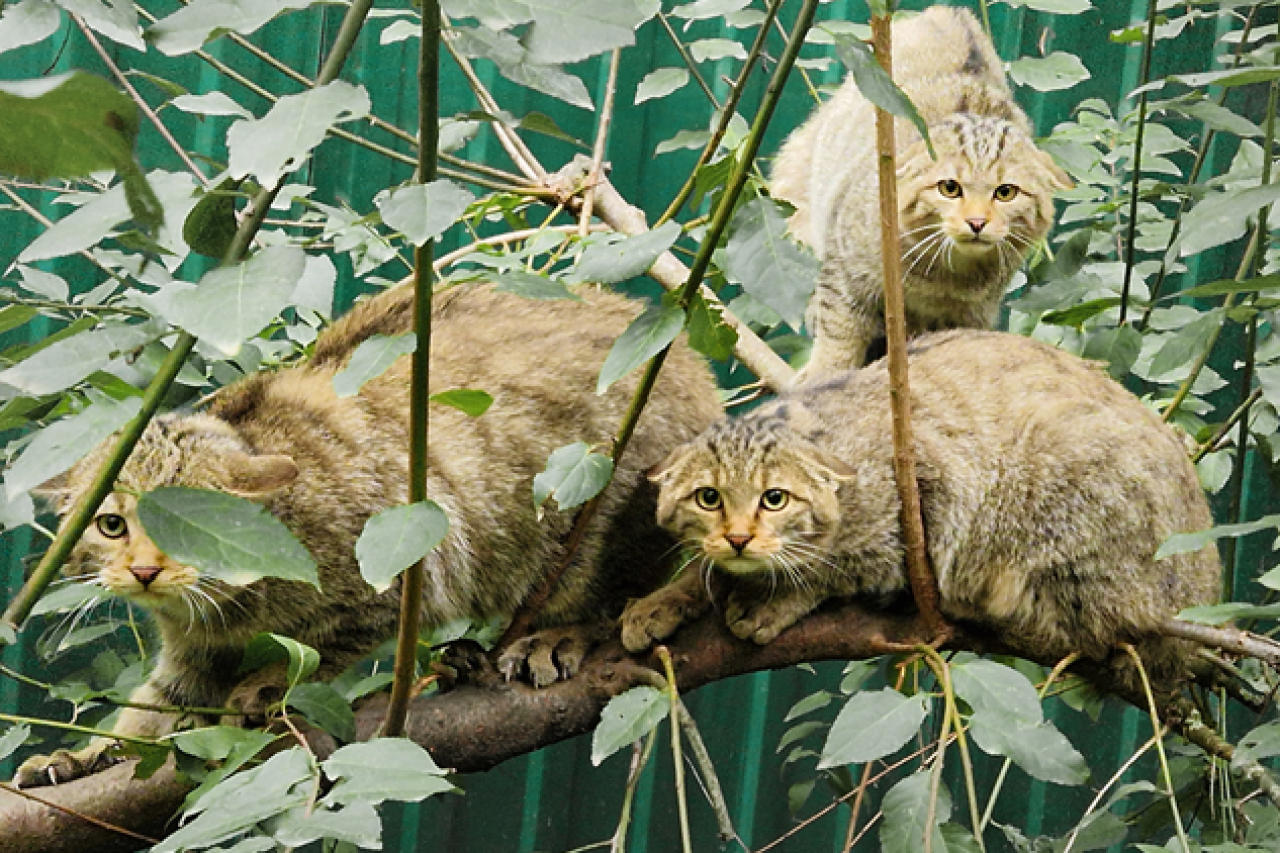
Since many feline behaviors trace back to their ancestors, the wildcats (Felis silvestris lybica) – such as their natural preference for relying on themselves for protection – familiarity, control, predictability, and the avoidance of threats are of critical importance to a cat's sense of security. According to experts, minimizing negative experiences should begin before arrival at the clinic by considering what the cat (with its highly developed sensory system) will see, hear, and smell on the way to the clinic, and should continue throughout the veterinary visit.
Some recommendations include minimizing visual or auditory stimuli by keeping even images of cats or other animals out of sight, protecting cats from loud patients and noisy clinical equipment, and keeping all human voices quiet, gentle, and slow-paced. If dogs are also treated at the clinic, the medical team should additionally remove potentially disturbing odors by sweeping up dog hair, emptying containers of strongly smelling waste, and perhaps even using synthetic cat pheromones to create a calming environment. Furthermore, the medical team should focus on the cats during all interactions by being mindful of cats' preferred touch areas (e.g., the face), avoiding leaning over or cornering the cats, refraining from direct eye contact, and using friendly equipment and positive distractions.
To implement this type of «cooperative care», new skills must be developed and practiced, both at home and at the veterinary clinic, so that cats feel more relaxed and in control in situations where they are naturally anxious and frustrated.
More on the subject of recreational hunting: What the research says about this is shown by Hunting fact-checked: the state of research.
The position of IG Wild beim Wild: IG Wild beim Wild rejects recreational hunting. Our model is the canton of Geneva, which has managed without recreational hunting since 1974: without hunting seasons, without hunting dogs, without driven hunts, without high seats, without the animal cruelty and crime that go hand in hand with hunting season elsewhere. What has worked there for over fifty years disproves every position paper by JagdSchweiz. An association that bases its policy on claims it refutes in its own documents is not a professional organisation, but a factory for misinformation.