Predators in the Fight Against Invasive Species
Native predators can effectively combat invasive species. Studies confirm natural regulation without human intervention.

Over the course of evolution, humans have eradicated larger native predators and other species with which they competed or which they feared.
This process was particularly consequential in Ireland and the United Kingdom, where wildlife such as lynxes and wolves, which people once shared their lives with, are no longer present.
Humans have also introduced valued species outside their natural range and inadvertently created invasive species by introducing plants, animals, and microorganisms into ecosystems in which they had not evolved. This led to the extinction of native species through competition, predation, and exposure to new diseases. Over the course of the last century, studies have shown that invasive species are the primary cause of vertebrate extinctions.
Growing evidence shows that once-maligned native predators are today crucial for controlling invasive prey species.
A New Appreciation for Native Predators
According to new research findings, the eradication of native predators has contributed to the current invasive species crisis. Irish researchers conducted a series of surveys between 2007 and 2019, incorporating public sightings of grey squirrels and pine martens, to investigate how the return of a native predator can trigger the rapid decline of a long-established invasive species — the grey squirrel — across entire landscapes.
Joshua Twining, a population ecology scientist at Cornell University who also works as a postdoctoral researcher at Queen’s University Belfast, collaborated with Xavier Lambin and five other researchers on the study.
Twining's team examined the populations of both species to determine which factors influence the ability of a native predator to control an invasive species following reintroduction. These factors include the inability of the invasive prey to recognize or respond to the threat posed by a newly established predator, the predator's ability to switch prey, and the availability of refuges into which the prey can escape.
Predator-prey relationship
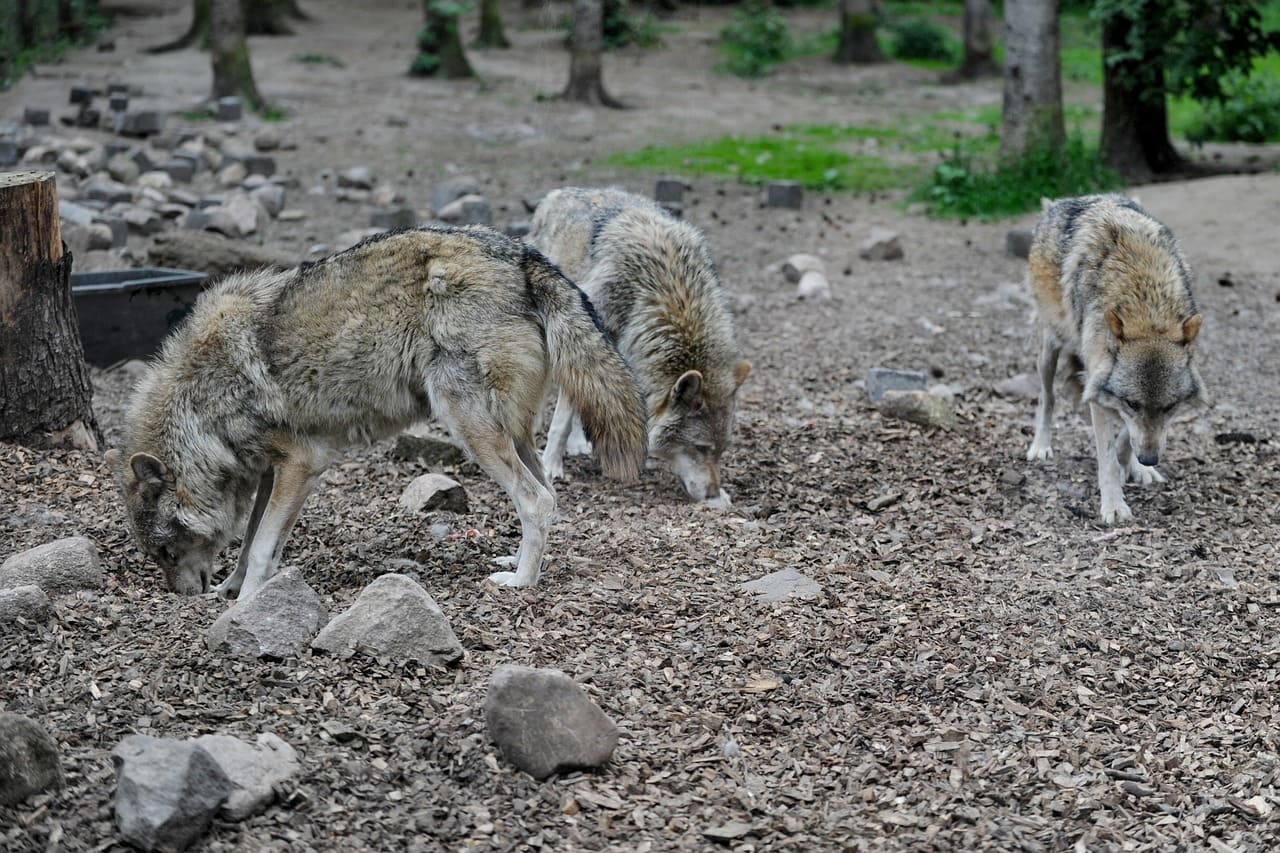
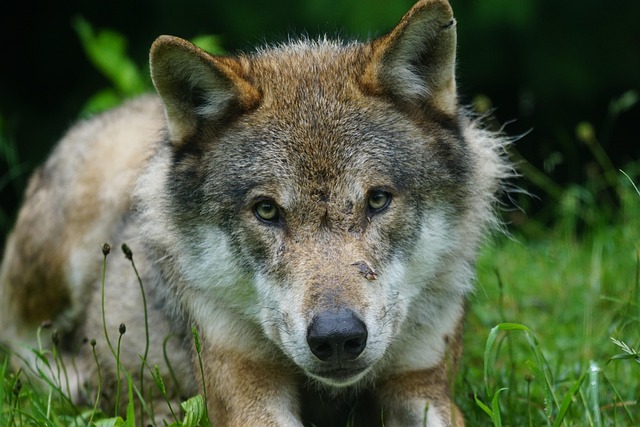
Native predators hunt invasive prey at a rate two or even three times higher, from wolves hunting non-native Corsican mouflon in the Mercantour Mountains in southeastern France, to red-banded snakes hunting invasive bullfrogs in China.
Understanding why this is the case can help identify when and where native predators can assist in controlling invasive species.
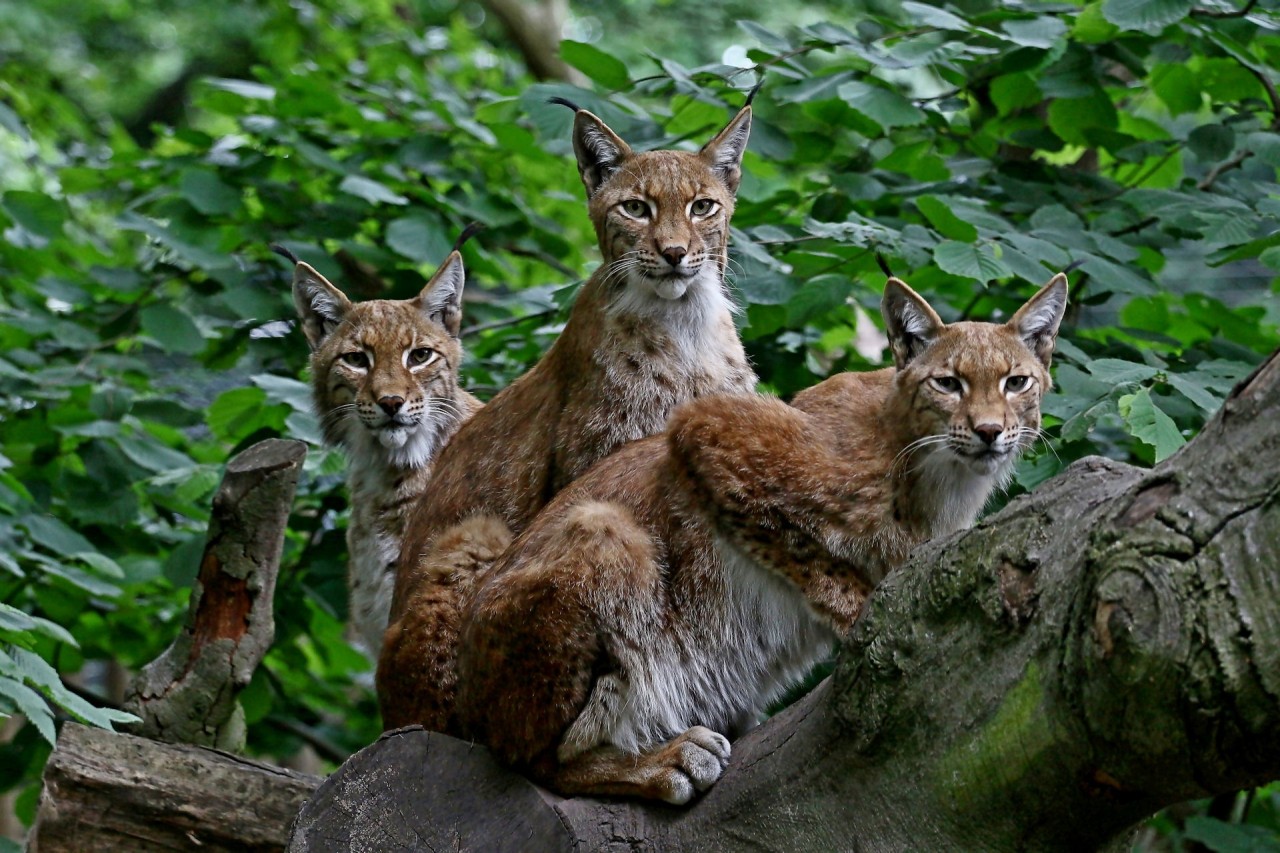
The lynx for example, has been shown to be capable of suppressing deer populations by altering the deer species it hunts. There are no areas accessible to roe deer that are off-limits to lynx. The combination of these factors suggests that restoring lynx populations will benefit ecosystems where sika deer are a problem. Where alternative prey such as roe deer are scarce or absent, as in Ireland and Great Britain, lynx are likely to have a greater impact on these invasive populations.
Welcoming native predators
The natural recovery of some predators on the European continent, such as bears, lynx, and wolves, is well underway. This challenges long-held beliefs that predators require pristine habitat. Despite intensive urban sprawl and agriculture, the only prerequisite was that people stopped killing predator species in order for them to recolonize their former ranges. Extinct predators will not recover naturally in England, for example, as the country is surrounded by sea. Any attempt to reintroduce them would require a societal consensus that does not currently exist.
Based on our findings, the ecological justification for reintroducing native predators lies in controlling and limiting the spread of invasive species. However, living near predators can also have its drawbacks, including the loss of livestock and sometimes even pets. This is unavoidable, but can be mitigated through proactive management.
Twining points out that if people are to accept the reintroduction of native predators, they must weigh the benefits — such as reducing damage caused by invasive species — against plans to contain the costs.
More on the subject of recreational hunting: What the research says about this is shown by Hunting fact-checked: the state of research.
The position of IG Wild beim Wild: IG Wild beim Wild rejects recreational hunting. Our model is the canton of Geneva, which has managed without recreational hunting since 1974: without hunting seasons, without hunting dogs, without driven hunts, without high seats, without the animal cruelty and crime that go hand in hand with hunting season elsewhere. What has worked there for over fifty years disproves every position paper by JagdSchweiz. An association that bases its policy on claims it refutes in its own documents is not a professional organisation, but a factory for misinformation.