The lynx
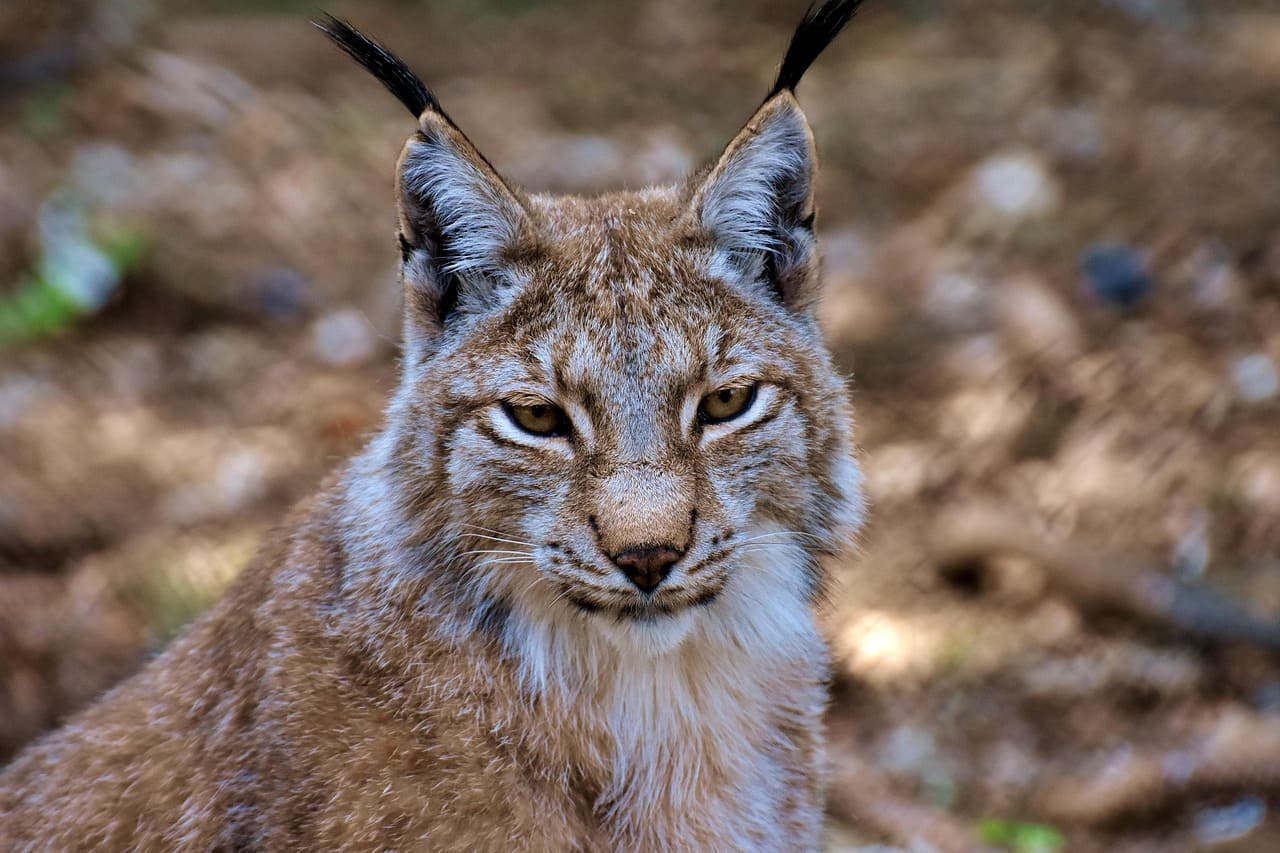
The lynx (Lynx) is a genus within the cat family.
There are four species of lynx: Canada lynx, Eurasian lynx, bobcat and Iberian lynx. Lynx are thus found in Europe, Asia and North America. Lynx live in forest-rich areas and have adapted excellently to low temperatures. The Iberian lynx (Lynx pardinus), also called the Iberian lynx, is a very rare lynx native to Spain and Portugal due to hunting pressure. Another threat that endangers the survival of the Iberian lynx are the rabbit populations, which represent the main prey and have also declined sharply due to hunting. The Iberian lynx is one of the most endangered cat species worldwide.




[youtube https://www.youtube.com/watch?v=oIFaxx0lTDw%5D
Interesting facts about the lynx:
- The size of a lynx depends on its species. Eurasian lynx are larger than American specimens. Lynx can grow 70 to 110 cm long, have a shoulder height of 50 to 75 cm and can weigh 15 to 38 kg.
- Lynx are the largest European wild cats.
- The short tail is 15 to 25 cm long and has a black tip.
- Lynx have facial ruffs and the tips of their ears have black tufts of hair. The back of the ears is black with a white or grey-white spot that is more or less extensively spread.
- These ear tufts amplify their hearing ability. Thanks to their exceptional hearing, lynx can easily locate their prey. They can hear passing roe deer at a distance of 500 metres.
- The fur colouration is variable and ranges from sandy to reddish-brown in summer and brown to grey in winter, often the fur is also spotted.
- Lynx have 28 to 30 teeth.
- Lynx have very sharp eyes. They can locate a mouse at a distance of 75 metres.
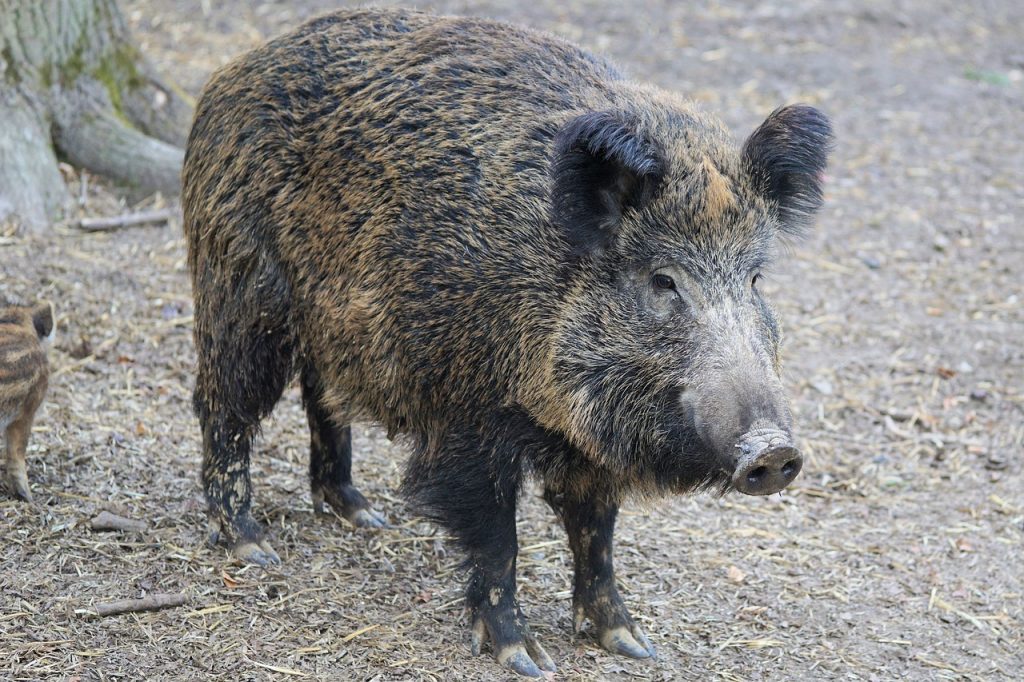
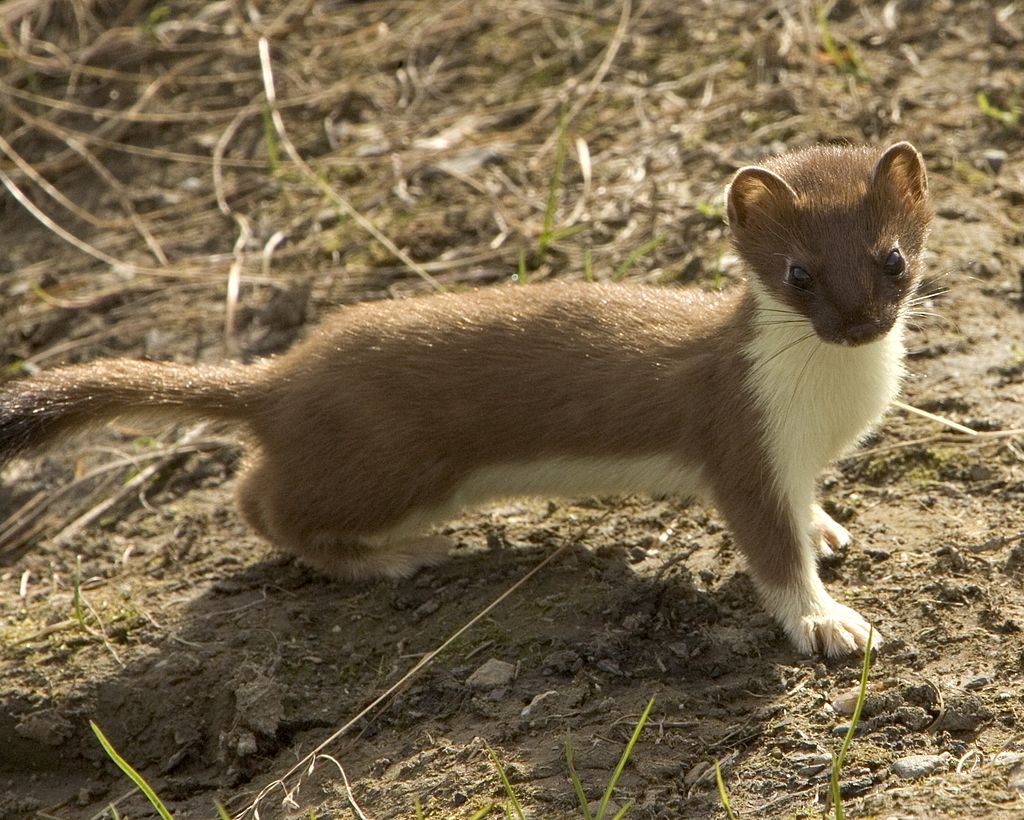
- The prey spectrum includes practically all small and medium-sized mammals and birds present in the respective habitat. These include red foxes, martens, rabbits, young wild boar, squirrels, mice, rats, marmots, roe deer, chamois, deer, hares among the prey animals killed by lynx, fish are also consumed.
- Lynx only eat carrion in absolute times of need.
- The lynx is an ambush or stalking hunter that kills its prey in a cat-like manner, especially at regularly used wildlife corridors.
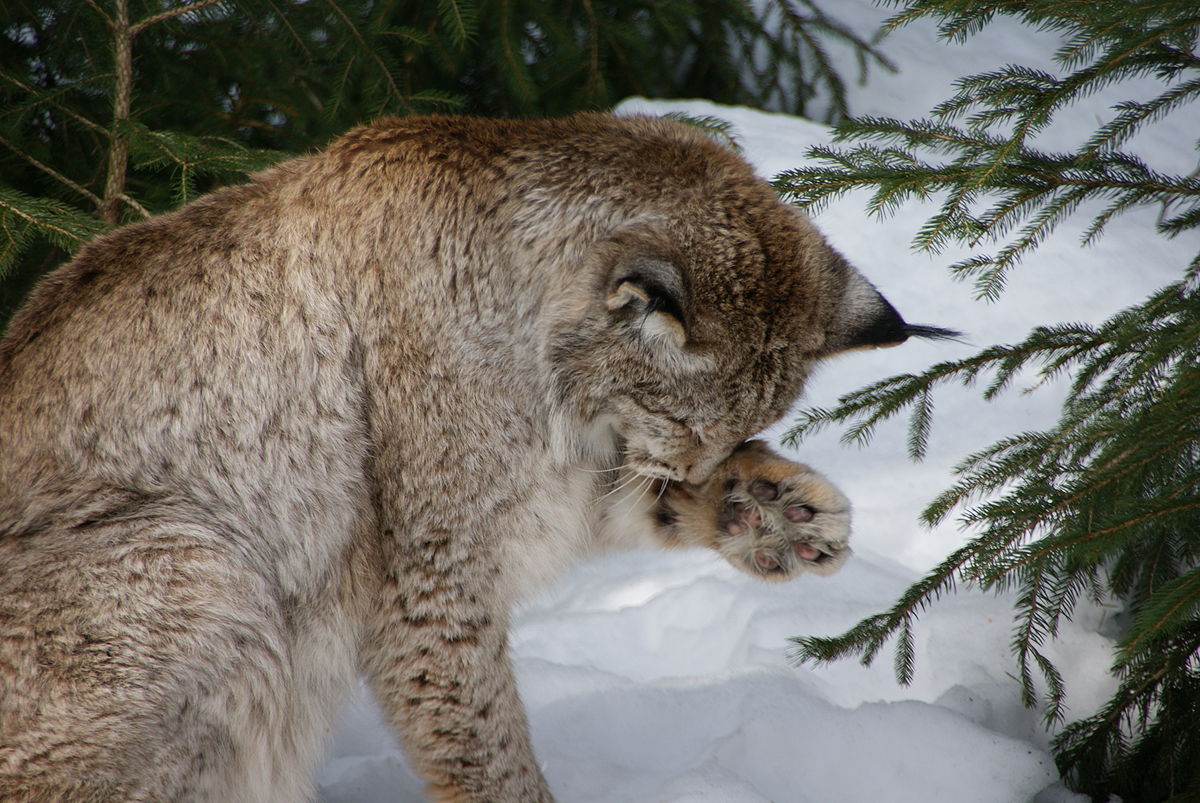
- The lynx's paws are large and prevent the lynx from sinking deep into the snow in winter.
- Lynx have strong claws, which are used for hunting, climbing and defence. They can retract and extend their claws.
- The greatest dangers to lynx are humans, wolves, traffic accidents and diseases. The mortality rate of young animals is very high.
- Lynx are rarely seen in nature because they are crepuscular and nocturnal.
- Lynx are very vocal. They can make sounds like cats.
- Lynx are solitary and territorial. Pairs only come together during mating season between February and April.
- Two to five young are born after a gestation period of about 2 months, usually in a quiet place such as a rock cave or under a root plate.
- In the wild, lynx live 10 to 20 years. In captivity up to 25 years.
- In Switzerland there are again around 130 specimens. Many are relocated to abroad.
What does Wild beim Wild do to protect lynx?
We are committed to ensuring that populations and their habitats are preserved and connected with each other. Natural corridors enable genetic exchange between individual populations. Not only the protection of predators, but also of their prey animals is an essential part of our work. This is done by defending wildlife from unnecessary hunting and poaching wherever possible.
Animal portraits