The Norwegian wolf is extinct
The wolves in Norway and Sweden are genetically of Finnish origin. The original Norwegian wolf was eradicated by recreational hunters.

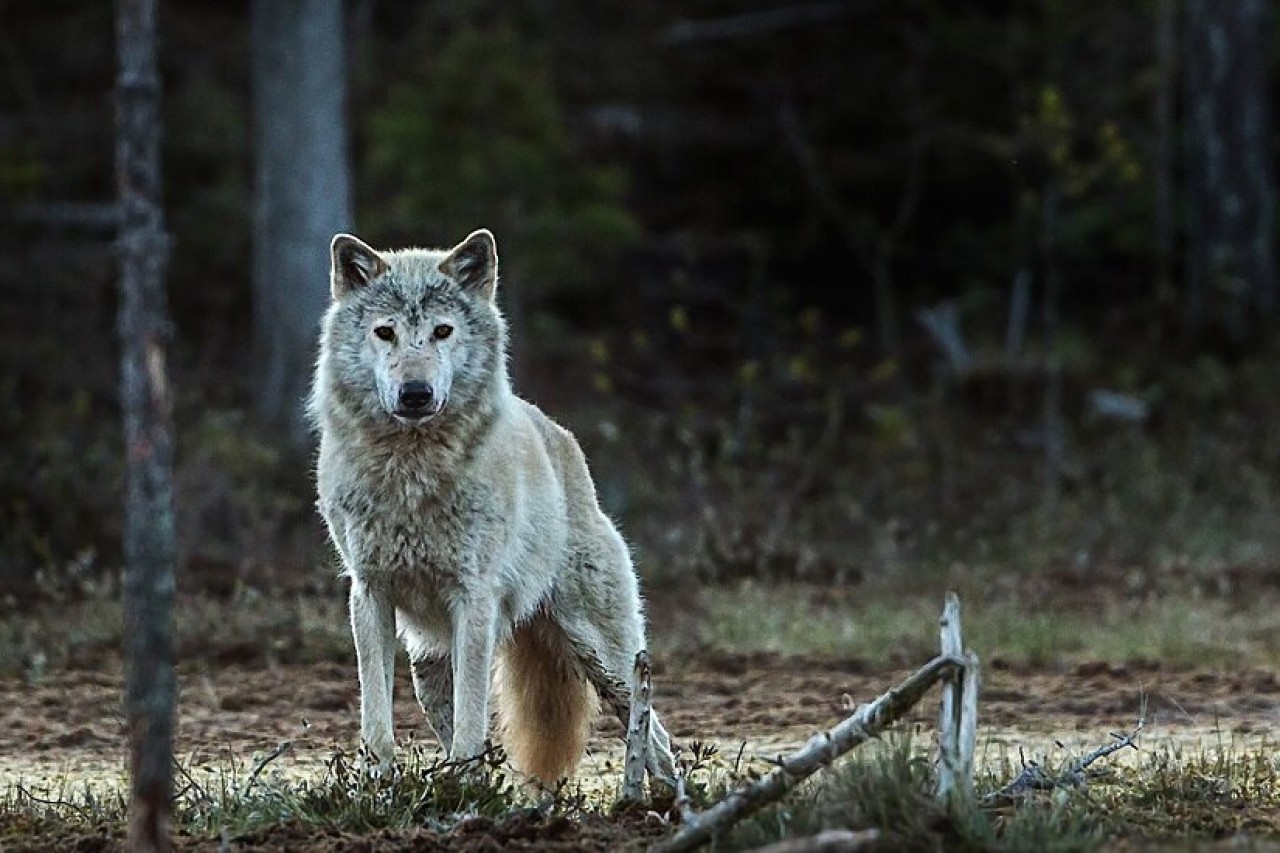
The wolves living today in Norway and Sweden are actually Finnish, as extensive studies of their genetic makeup have revealed.
Recreational hunters eradicated the original Norwegian wolf population in the wild around 1970.
«The original Norwegian-Swedish wolves probably shared no genetic commonalities with the wolves living in Norway and Sweden today», says Hans Stenøien, Director of the University Museum at the Norwegian University of Science and Technology (NTNU).
Stenøien is the lead author of a new report that examines the genetic composition of the Norwegian-Swedish wolf population in far greater detail than has previously been the case.
«We have conducted the largest genetic study of wolves in the world», says Stenøien.
This forms part of a comprehensive report on the wolf in Norway commissioned by the Norwegian Parliament (Storting) in 2016. By that point, however, the true Norwegian-Swedish wolves had already been gone for many years.
«Admittedly, some of the original Norwegian-Swedish wolves can still be found in zoos outside Norway. But our wolves today are not closely related to them», says Stenøien.
Gone and returned
The wolf came to Norway as the ice retreated around 12,000 years ago. By around 1970, however, it had disappeared from the Norwegian landscape and probably from Sweden as well. Heavy hunting pressure and conflicts with agriculture were among the main factors contributing to the decline of the species.
It appears, however, that the species reestablished itself around 1980. Today, more than 400 wolves roam the border region between Norway and Sweden. They are considered a shared population.
There were once rumours that wolves had been released from zoos into the Norwegian wilderness, but this does not appear to be true. In any case, they cannot be wild animals from the original Norwegian wolf population. Instead, Finnish wolves appear to have expanded their territory.
«The wolves living in Norway and Sweden today most likely descend from wolves that migrated from Finland», says Professor Stenøien.
Where the wolves in Finland originally came from is not entirely certain, but they nevertheless appear to be Finnish in origin.
Wolves threatened by severe inbreeding
At first glance paradoxically, the wolves in Norway and Sweden are genetically distinct from the wolves currently living in Finland. However, this is neither good news nor an indication that Norway has an independent wolf population.
«We found no evidence of special or unique genetic adaptations in Norwegian-Swedish wolves», says Stenøien.
Instead, the reason for the genetic differences is far less benign and lies in the size of the wolf population, which is small and receives only a limited influx of new genes from other areas.
Inbreeding has resulted in the wolves in Norway and Sweden today displaying very little genetic variation, says Stenøien.
This likely means that the region's wild wolves descend from a very small number of Finnish animals. Genetic defects can therefore be passed more easily from one generation to the next. Unfavourable genes are not effectively eliminated through natural selection.
«This lack of variation makes the wolves vulnerable to various diseases and hereditary conditions», explains Stenøien.
There is a real danger that the wolf could once again become extinct in Norway — not only because it is being hunted this time, but because inbreeding makes the animals less resilient. Recreational hunting is compounding this problem further.
More on the subject of recreational hunting: In the dossier The Role and Criticism of Recreational Hunters we shed light on the training, power and self-image of recreational hunters. The scientific evidence is presented in the overview Studies on the Effects of Recreational Hunting.
The position of IG Wild beim Wild: IG Wild beim Wild rejects recreational hunting. Our model is the canton of Geneva, which has managed without recreational hunting since 1974: without hunting seasons, without hunting dogs, without driven hunts, without high seats, without the animal cruelty and crime that go hand in hand with hunting season elsewhere. What has worked there for over fifty years disproves every position paper by JagdSchweiz. An association that bases its policy on claims it refutes in its own documents is not a professional organisation, but a factory for misinformation.